
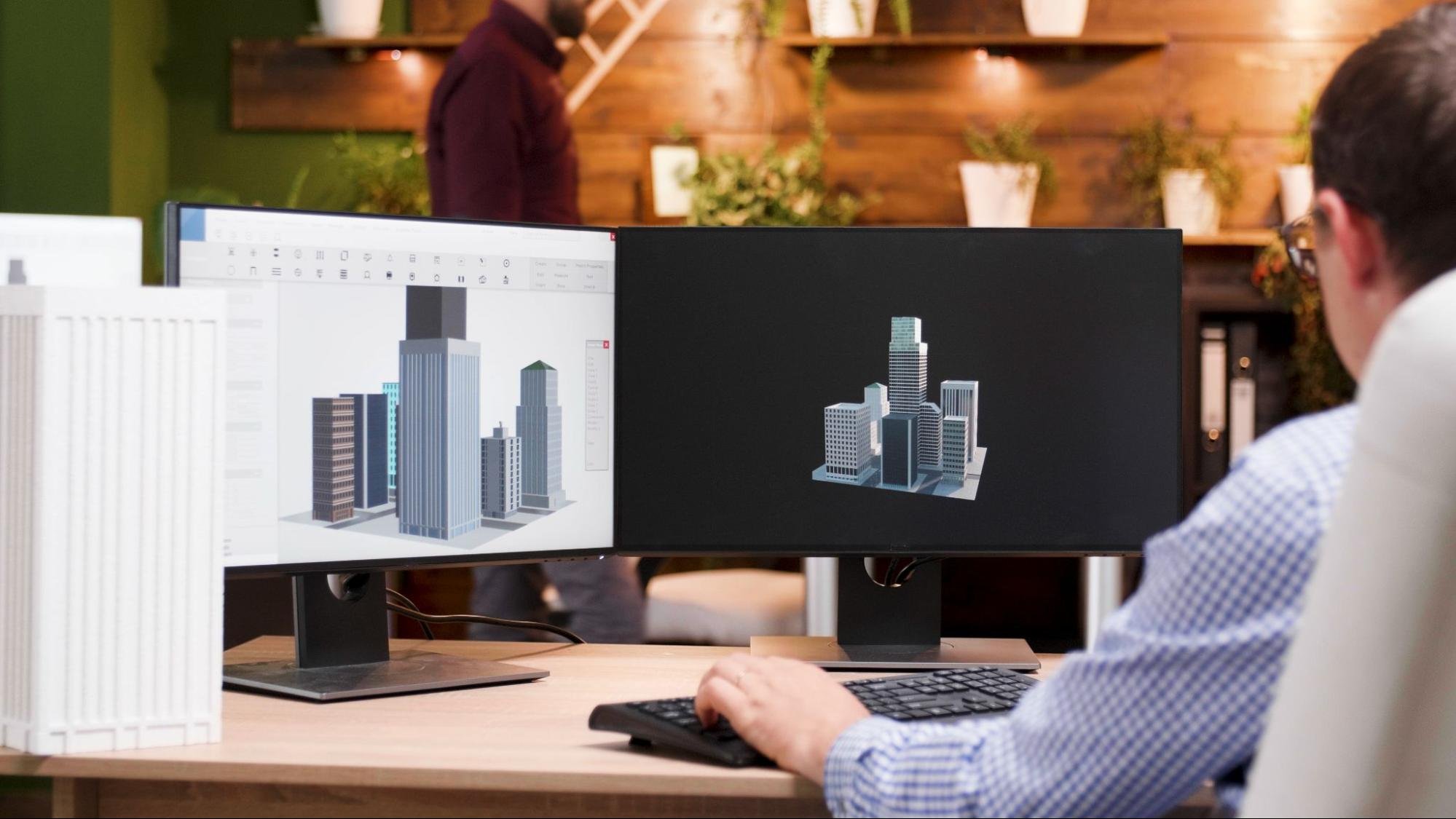
Building owners face rising costs and tighter project schedules today. Many projects still suffer from delays, errors, and weak coordination. A BIM model connects project teams through shared building data. Owners gain clearer oversight before, during, and after construction begins. That visibility helps owners reduce risks and better manage long-term property costs.
What a BIM Model Does
A BIM model creates a digital version of a building project. That digital system combines design details, schedules, costs, and operational data. Teams use shared information instead of disconnected files and outdated drawings. Owners receive better project visibility from planning through facility management.
What Information Do BIM Models Store
BIM stores both physical and functional building information. That building data includes walls, windows, plumbing, and electrical systems. Each object also contains measurements, material details, and installation requirements. Teams review system relationships before crews begin on-site construction work. Designers update the model instantly after making project revisions. Owners receive more accurate project information throughout the construction process.
Why Owners Use BIM Systems
Building owners use BIM systems to improve project coordination and control. That digital process efficiently connects architects, engineers, contractors, and facility managers. Teams work from the same updated project information every day. Contractors avoid many errors caused by outdated construction documents. Owners track budgets and schedules with greater confidence and accuracy. Facility teams also receive organized records upon successful completion of construction.
Connecting Building Data in One System
A BIM model integrates building information into a single shared digital platform. That centralized system helps teams review updates without confusion about which documents are being updated. Architects, contractors, and facility managers access the same project details daily. Teams avoid communication gaps caused by disconnected files and outdated drawings. Owners gain faster access to schedules, costs, and operational building information. Better coordination supports smoother construction planning and long-term property management.
How Digital Building Models Improve Projects
Construction teams need accurate information before problems affect project costs. Digital building models help owners review systems, schedules, and budgets earlier. That connected process improves communication between designers, contractors, and facility teams. Better coordination reduces delays and supports stronger operational planning throughout property ownership.
Better Planning Before Construction
A BIM workflow improves planning before construction begins on-site. That digital approach helps teams identify issues during early project development. Owners avoid costly surprises because teams test systems before installation starts. Better planning also improves communication between designers, contractors, and business stakeholders.
Building Accurate Digital Models
Project teams create BIM models using specialized design software platforms. That software integrates architectural, structural, and mechanical systems into a single environment. Engineers and designers carefully add dimensions, layouts, and technical specifications for construction. Teams review how systems connect before finalizing the construction plans. Contractors identify possible conflicts before materials arrive at the project site. Owners gain stronger confidence through data-driven planning and clearer visual coordination.
Preventing System Conflicts Early
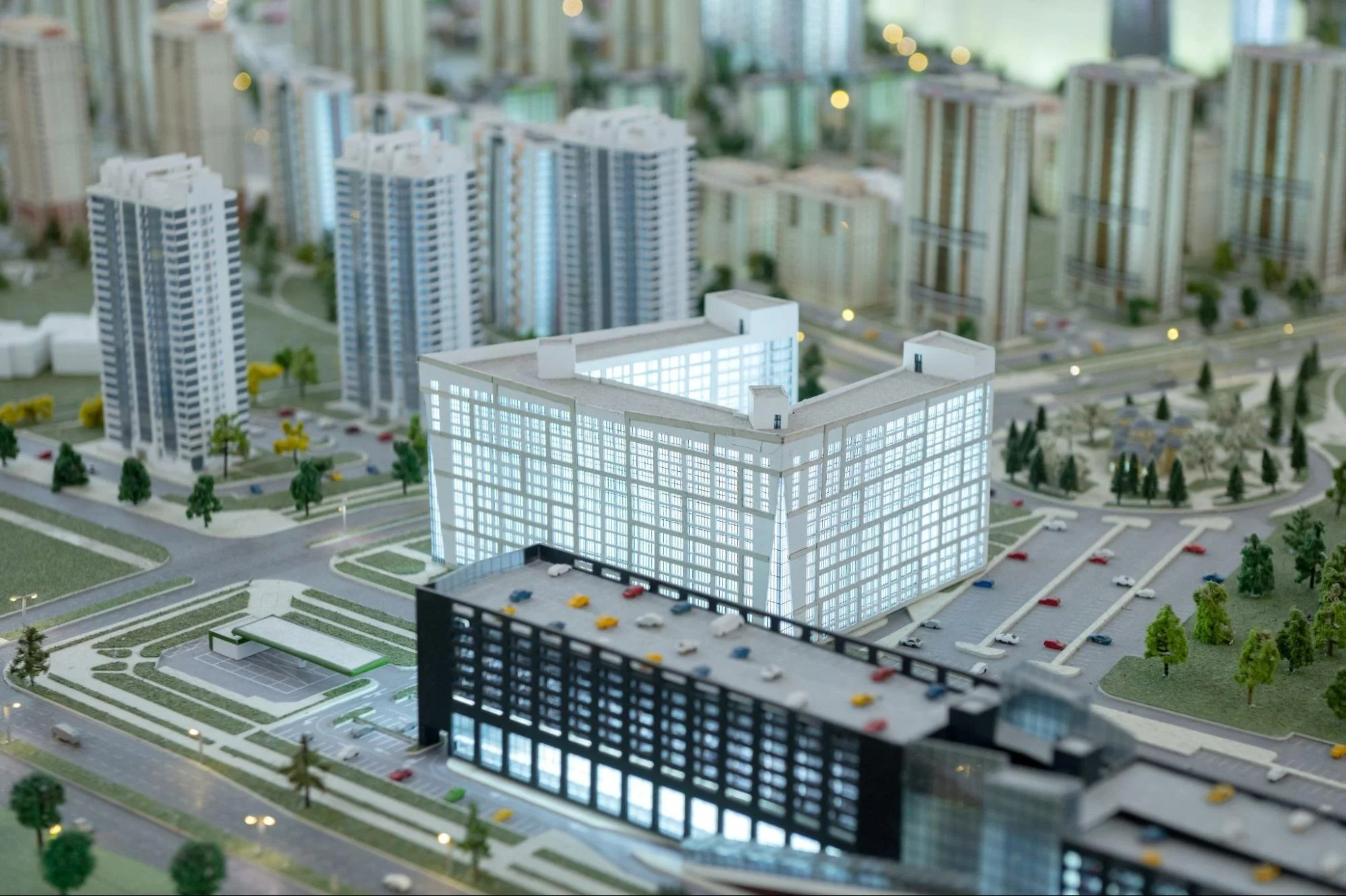
BIM software detects conflicts between systems before construction work begins. That coordination process identifies overlaps involving ducts, pipes, and structural framing. Teams fix problems digitally rather than correcting mistakes during construction. Contractors avoid expensive rework and unexpected project delays more often. Owners benefit from steadier schedules and lower contingency spending throughout construction. According to Autodesk research, clash detection significantly reduces avoidable field coordination issues.
Stronger Coordination During Construction
Construction projects require constant coordination between many moving teams and systems. A BIM model keeps project information up to date during active construction. Owners monitor progress more clearly through connected digital construction data. Teams respond faster when conditions change on-site unexpectedly.
Improving Accuracy on Construction Sites
Construction crews use BIM data to guide installation and fabrication tasks. That model information improves measurement accuracy before on-site assembly begins. Prefabricated systems fit better because teams follow coordinated digital project details. Contractors waste fewer materials during installation and fabrication activities overall. Site managers also plan deliveries and equipment access more efficiently. Owners benefit from smoother construction schedules and stronger labor productivity throughout projects.
Keeping Teams Connected in Real Time
Modern BIM platforms support real-time collaboration across different project teams. That cloud-based access keeps information up to date across multiple departments and locations. Architects, engineers, and contractors review changes without long communication delays. Teams solve problems faster because everyone sees updated project information immediately. Owners receive more consistent updates throughout active construction phases and approvals. Better communication also reduces confusion surrounding design revisions and scheduling changes.
Better Cost Control Throughout Projects
Construction costs often increase due to poor coordination and unexpected changes. A BIM model improves budget visibility throughout planning and construction phases. Owners review accurate quantities and forecasts before approving project decisions. Better cost tracking supports stronger financial planning during development projects.
Improving Cost Estimate Accuracy
BIM software automatically updates material quantities after design changes. That automated process improves the accuracy of estimates during project development and revisions. Contractors can review updated quantities without having to redo extensive manual calculations. Owners gain clearer early insight into labor and material spending. Teams identify cost increases earlier, preventing budgets from exceeding expectations. Better forecasting supports smarter investment decisions throughout the entire building lifecycle.
Reducing Expensive Construction Rework
Construction rework quickly leads to delays, labor waste, and rising project costs. BIM workflows reduce errors by improving coordination before construction begins. Teams resolve many issues digitally rather than on-site during installation phases. Contractors avoid unnecessary demolition and replacement work more frequently today. Owners experience fewer delays because crews spend less time correcting errors. That efficiency supports steadier schedules and more predictable construction spending overall.

Smarter Building Operations Over Time
Buildings require an organized maintenance plan after construction is complete. A BIM model stores operational data for long-term facility management needs. Owners can access system information more quickly during repairs, upgrades, and inspections. Better records improve operational planning across the entire property lifecycle.
Helping Facility Teams Work Faster
Facility managers use BIM data to track equipment and maintenance schedules. That organized system stores warranty records and replacement timelines digitally. Teams locate building systems faster during repairs and service inspections. Managers avoid searching through outdated paper files and disconnected records. Owners reduce downtime because maintenance teams access information more efficiently. Better operational visibility also supports stronger long-term property budgeting and planning.
Supporting Future Renovation Projects
Many buildings require upgrades, expansions, or tenant improvements over time. BIM models provide updated building records before carefully planning renovation. Contractors review structural layouts and utility systems before demolition activities start. Designers coordinate upgrades without relying on incomplete construction drawings anymore. Owners significantly reduce operational disruptions during renovation and expansion projects. Accurate building data also improves planning for future investment opportunities.
Understanding BIM Model Dimensions
BIM dimensions organize various types of building and project information. That layered structure supports design, scheduling, budgeting, and operational planning activities. Owners use those insights to guide construction and facility decisions confidently. Each BIM dimension supports a different business or operational purpose.
What 3D and 4D BIM Mean
Three-dimensional BIM focuses on visual building layouts and on system coordination. That digital model helps teams clearly review geometry and spatial relationships. Stakeholders understand project designs better through realistic visual project simulations. Four-dimensional BIM adds scheduling information to the digital construction environment, enabling teams to review project timelines and sequencing before on-site work begins. Owners gain greater visibility into scheduling risks and milestone coordination.
What 5D and 6D BIM Mean
Five-dimensional BIM connects cost information directly with building components and schedules. That financial data significantly improves forecasting during planning and construction activities. Owners review budget impacts more quickly after unexpected project revisions. Six-dimensional BIM focuses on operations, maintenance, and energy performance tracking. Facility teams monitor long-term building performance through organized operational data systems. Better lifecycle planning supports stronger property value and operational efficiency over time.
Common BIM Adoption Challenges
BIM adoption requires planning, training, and consistent project coordination standards. That digital transition often creates learning challenges during early implementation stages. Owners should understand those obstacles before fully adopting new construction workflows. Clear planning helps teams avoid confusion and inconsistent project data management.
Training Teams for BIM Workflows
BIM software requires technical skills and organized collaboration procedures across teams. That learning process often requires training during early project implementation phases. Contractors and consultants must follow shared modeling and documentation standards carefully. Teams struggle when project expectations remain unclear from the beginning stages. Owners improve adoption success by strengthening communication and leadership support. Long-term benefits usually outweigh the challenges tied to initial software training.
Managing Accurate BIM Data
A BIM model loses value when information becomes outdated or incomplete. Teams must review project data regularly throughout the design and construction phases. Owners should carefully define who will maintain model accuracy after project completion. Clear responsibilities reduce confusion later between contractors and facility management teams. Organized governance consistently improves data quality across the entire building lifecycle. Better information management protects the long-term value of digital building records.
Drive Better Outcomes With BIM
Building owners need faster decisions and clearer project visibility today. A BIM model helps teams reduce delays, control costs, and improve long-term operations. Skilled BIM specialists also help teams manage accurate data and stronger project coordination. Companies that delay digital planning often face avoidable risks and rising expenses later. Smarter coordination today creates stronger building performance for future business growth.
Visit the LNE Surveys blog for smarter construction guidance, industry updates, and better planning ideas for your properties.