
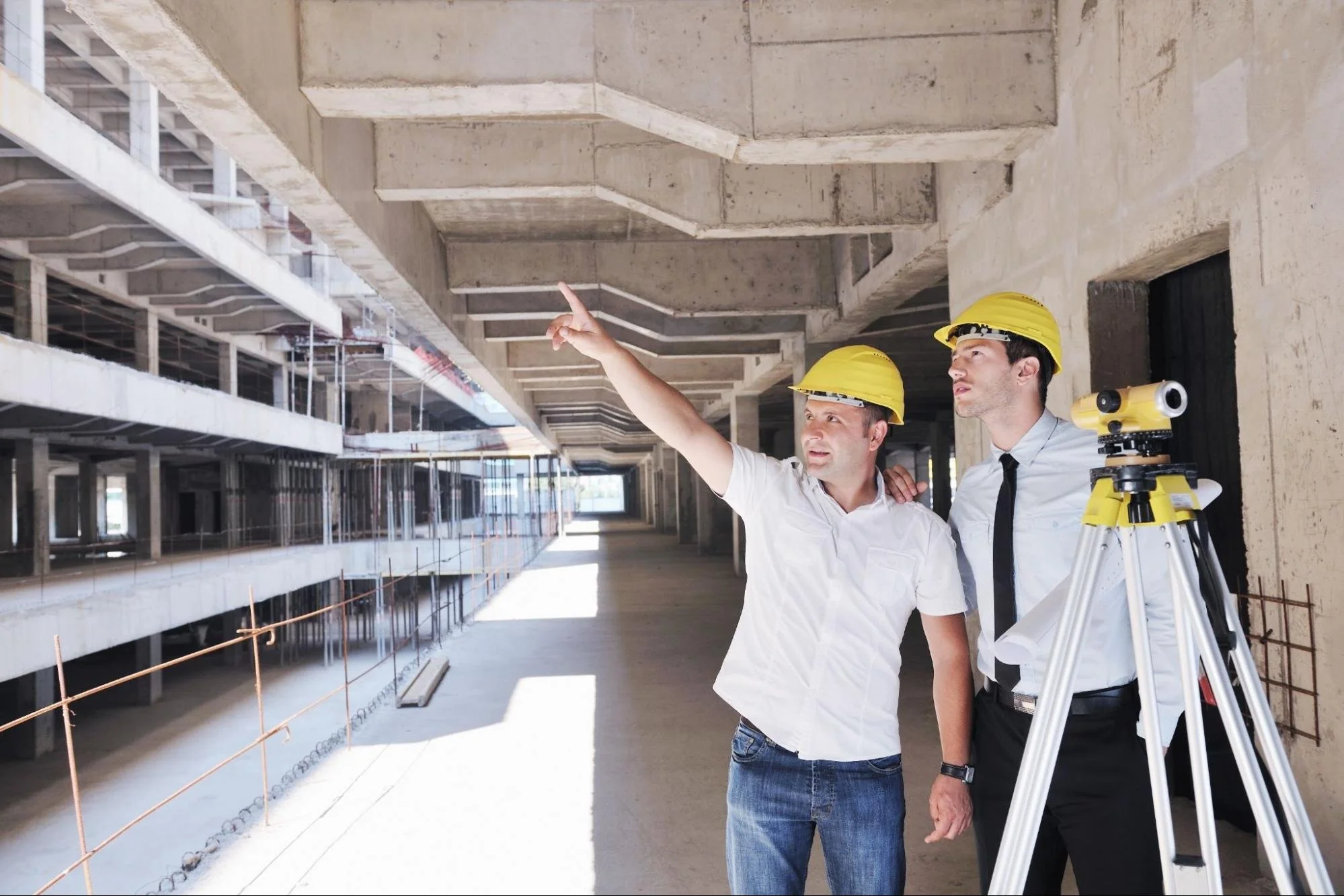
Commercial buildings demand constant attention from owners and property managers. Small defects often grow into costly structural problems over time. Many owners delay inspections because upfront costs seem unnecessary at first. That decision often creates larger repair bills and unexpected business disruptions later. Professional property surveys help owners protect assets, reduce risks, and plan smarter maintenance.
Why Building Surveying Services Matter
Commercial property surveys identify structural risks before repairs become expensive and disruptive. These inspections carefully review roofing, drainage, foundations, and safety concerns. Surveyors also check compliance issues affecting insurance and future renovations. That inspection process gives owners reliable information for smarter property decisions.
Early Repairs Lower Long-Term Costs
Early inspections reduce repair costs by catching hidden damage quickly. Small leaks often gradually weaken walls, ceilings, and electrical systems. Structural cracks may spread more quickly after severe weather or heavy use. Professional surveyors detect these problems before major failures develop further. That preventive approach helps owners avoid sudden repair emergencies and revenue losses. Many commercial contractors conduct routine surveys to protect long-term property value.
Planned Maintenance Prevents Disruptions
Planned maintenance keeps commercial operations stable and easier to manage day-to-day. Broken systems often immediately disrupt staff productivity and customer experiences. Property assessments identify weak areas before systems fail unexpectedly. Owners can schedule repairs more effectively during slower business periods. That organized planning reduces downtime and avoids rushed contractor decisions. Maintenance budgets also become easier to forecast throughout the year.
Hidden Utility Problems Raise Operating Costs
Utility system issues often go unnoticed until energy bills increase unexpectedly. Faulty insulation and damaged drainage systems reduce building efficiency and indoor comfort. Small mechanical defects may also strain heating and cooling equipment daily. Professional inspections identify these hidden concerns before operating expenses rise further. That preventive action helps owners manage utility costs and reduce equipment breakdowns. Efficient systems also support better tenant satisfaction and smoother daily business operations.
Delayed Inspections Create Hidden Expenses
Postponed inspections often increase costs beyond visible structural repair expenses alone. Small maintenance issues may gradually disrupt tenant satisfaction and daily business operations. Hidden moisture damage can also significantly reduce indoor comfort and equipment performance. Professional inspections identify these concerns before operational losses grow further. That early action helps owners avoid emergency repairs and unexpected financial pressure later. Many commercial owners overlook these hidden expenses until problems directly affect revenue.
The Value Behind Building Surveys
Commercial property owners often hesitate before scheduling professional building inspections. Upfront survey costs may initially seem unnecessary during stable business operations. Hidden structural problems, however, often lead to higher costs and operational setbacks later. Professional property surveys help owners understand risks before maintenance costs escalate further.
Stronger Asset Value Over Time
Commercial real estate value depends heavily on structural condition and maintenance history. Buyers often carefully review inspection records before finalizing large commercial transactions. Unresolved defects usually reduce market appeal and quickly create negotiation challenges. That documentation helps owners support stronger valuations and future resale opportunities.

Inspection Records Support Faster Sales
Inspection records give buyers clearer insight into current structural and maintenance conditions. Hidden defects often delay negotiations and significantly reduce final selling prices. Professional assessments provide factual reports rather than uncertain property assumptions or estimates. That transparency builds trust between owners, lenders, investors, and commercial buyers. Financial institutions also review maintenance histories during financing and refinancing applications. Recent reports often support smoother approvals and stronger lending discussions overall.
Strong Documentation Helps Insurance Claims
Insurance providers carefully review maintenance records to assess the likelihood of expensive structural damage claims. Poor documentation often leads to disputes after storms, leaks, or system failures. Professional inspections consistently produce reliable records that support responsible facility management practices. That evidence may reduce delays in later stressful insurance claim investigations. Some providers also favor buildings with regular structural assessment schedules. Lower risks may support improved coverage options and reduced premium costs.
Safer Operations and Lower Liability Risks
Commercial safety standards continue to change across multiple industries and property sectors regularly. Older facilities often contain outdated systems, creating legal and operational concerns over time. Professional inspections identify hazards before accidents or compliance penalties affect business operations. That guidance helps owners maintain safer spaces for employees, visitors, and tenants.
Preventive Checks Improve Workplace Safety
Preventive inspections identify unsafe conditions before they seriously disrupt daily business operations. Damaged flooring and faulty wiring create major risks inside commercial properties. Employees often notice these issues before management recognizes larger structural concerns developing. Professional inspectors carefully evaluate safety hazards in accordance with current industry inspection standards. That detailed review supports faster repairs and safer workplace conditions overall. Many liability claims arise after maintenance issues are ignored, leading to preventable accidents.
Accessible Spaces Improve Public Confidence
Accessible facilities improve customer experiences and consistently support stronger business reputations in the long term. Uneven walkways and poor lighting frustrate visitors and quickly raise safety concerns. Modern accessibility standards also affect leasing opportunities and tenant satisfaction greatly today. Professional assessments effectively identify barriers limiting safe movement throughout commercial spaces. That review helps owners prioritize upgrades supporting better accessibility and visitor comfort. Businesses with accessible properties often attract broader interest from customers and tenants.
Smarter Planning for Renovation Projects
Pre-renovation assessments help owners avoid costly surprises during construction projects. Contractors need accurate structural information before demolition or renovation work begins safely. Older buildings often hide defects completely beneath walls, ceilings, and flooring systems. That technical insight supports better budgeting and smoother renovation scheduling throughout projects.
Structural Reviews Improve Project Coordination
Structural reviews significantly and consistently improve communication between contractors during renovation projects. Poor coordination often leads to delays, duplicate repairs, and unnecessary labor costs. Professional reports provide clear technical information for every project team involved. That shared guidance reduces confusion before demolition and installation work starts. Contractors can confidently prepare accurate timelines and material estimates much earlier. Faster planning helps businesses reduce operational disruptions during construction and repairs.

Older Facilities Need Deeper Analysis
Older commercial properties often contain hidden deterioration and outdated construction materials throughout systems. Previous repairs may conceal moisture damage or weakened support structures underneath surfaces. Professional assessments provide deeper analysis than standard visual inspections alone. That evaluation helps owners clearly understand future repair priorities and structural limitations. Many preservation projects require specialized reviews before official renovation approvals move forward. Detailed reports also support smarter budgeting before major upgrade investments begin.
Tenant Retention Starts With Property Care
Commercial tenants expect reliable spaces that consistently support smooth daily business operations. Frequent maintenance issues often frustrate tenants and quickly damage long-term business relationships. Poor lighting, plumbing failures, and unstable temperatures may also directly affect employee productivity. Professional property inspections help owners address these concerns before tenant dissatisfaction increases further.
Reliable Conditions Build Tenant Confidence
Tenants notice building conditions long before owners recognize the development of larger structural problems. Persistent leaks and poor ventilation often create daily frustration in commercial workspaces. Those issues may also affect customer experiences and employee comfort over time. Professional inspections identify hidden concerns before they significantly disrupt tenant operations. That preventive maintenance approach supports stronger lease renewals and long-term occupancy stability. Commercial tenants often remain longer in properties with fewer operational disruptions overall.
Poor Maintenance Increases Vacancy Risks
Vacant commercial spaces often result from unresolved maintenance and safety concerns that gradually worsen. Tenants rarely renew leases after repeated repair delays and ongoing building disruptions. Structural problems may also quickly damage a property's reputation in competitive commercial markets. Professional inspections help owners respond more quickly before tenant complaints escalate publicly. That proactive approach consistently reduces turnover costs and supports stronger tenant relationships. Stable occupancy often significantly improves long-term property income and business performance.
Building Surveys and Emergency Planning
Commercial property surveys help owners prepare for unexpected emergencies and structural failures. Severe weather, fire damage, and utility outages often quickly expose hidden weaknesses in buildings. Professional inspections identify vulnerable systems before disasters interrupt daily business operations. That preventive planning helps owners reduce downtime, financial losses, and safety risks.
Structural Reviews Support Faster Recovery
Structural assessments help businesses recover faster after storms or unexpected building damage. Weak roofing systems and drainage failures often rapidly worsen emergency repair situations. Professional surveyors identify those risks before severe conditions create operational shutdowns. That preparation helps owners organize repairs and protect critical building systems early. Emergency contractors also work faster with accurate structural inspection records available. Faster recovery often significantly reduces revenue loss and tenant disruption.
Surveys Improve Emergency Safety Planning
Emergency planning depends heavily on accurate information about building conditions and safety systems. Damaged exits, unstable stairways, and faulty wiring can quickly create serious evacuation risks. Professional surveys identify those hazards before emergencies place occupants in danger. That guidance helps owners effectively improve evacuation routes and emergency response procedures. Many insurance providers also value properties with documented emergency preparedness efforts. Safer buildings often experience fewer liability issues during unexpected disaster situations.
Emergency Plans Need Accurate Building Data
Emergency response planning depends heavily on up-to-date information about the structural condition of buildings. Outdated records often slow recovery efforts during fires, floods, or severe storms. Professional inspections provide accurate details about exits, utility systems, and vulnerable areas. That information helps owners coordinate faster responses during emergencies later. First responders also benefit from reliable structural data during evacuation and rescue operations. Better preparation often significantly reduces injuries, downtime, and long-term repair expenses.
Protect Your Assets With Building Surveys
Commercial properties face constant pressure from aging systems and hidden structural damage. Small issues often grow quietly until repairs directly affect operations and tenant confidence. Professional building surveys help owners respond earlier, make clearer maintenance decisions, and reduce long-term costs. Owners who consistently inspect properties often avoid disruptions that later damage revenue, safety, and property value.
Read the LNE Surveys blog for straightforward advice supporting smarter property decisions and long-term building performance.