
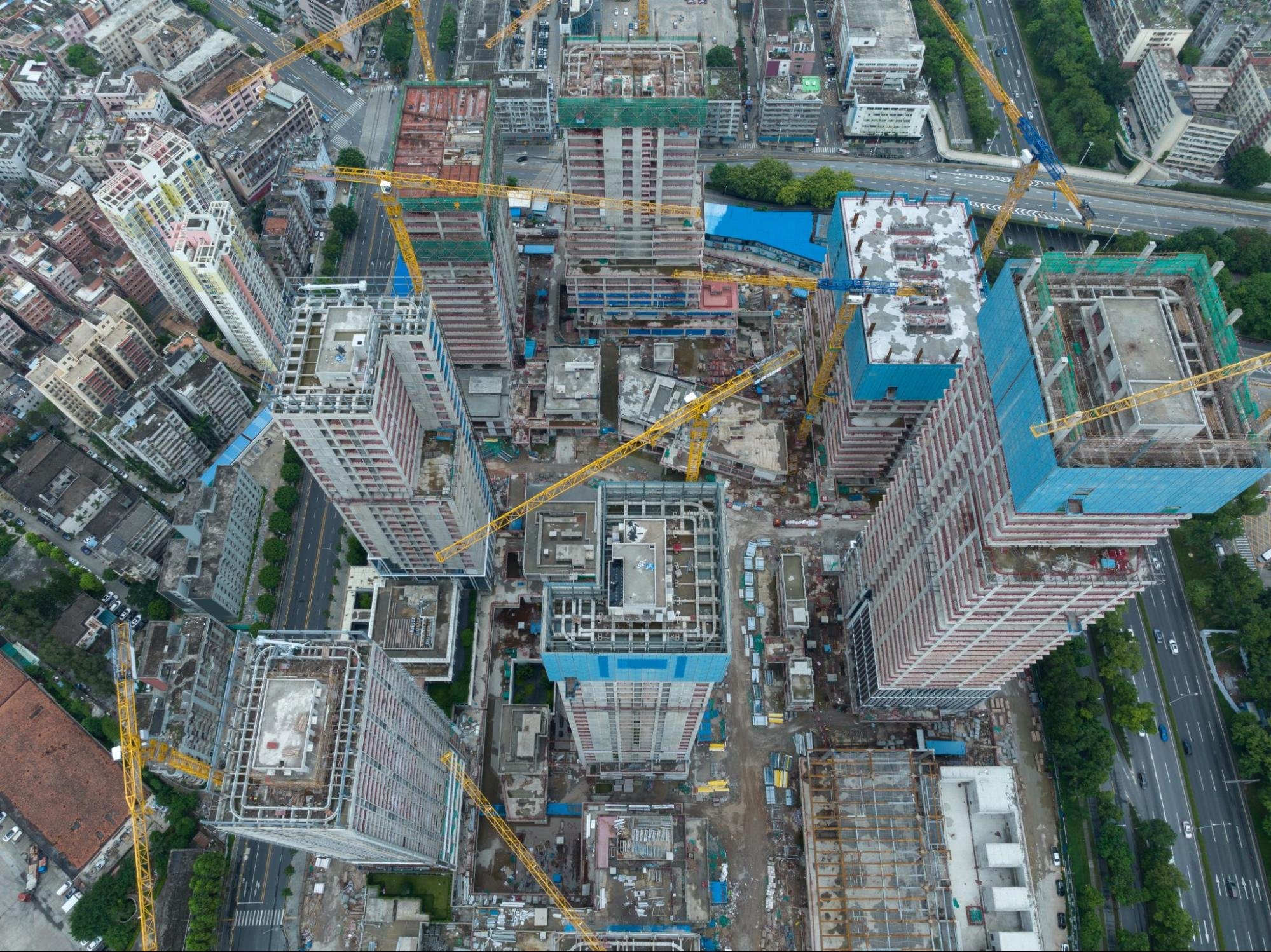
Construction problems often begin long before crews arrive on site. A pipe may cross a beam, or ductwork may occupy required electrical space. Finding those conflicts during construction can cause delays, redesigns, change orders, and unexpected costs. Digital coordination gives project teams a practical way to identify these issues much earlier. Clash detection helps businesses coordinate building systems before physical work makes corrections expensive.
What Does Clash Detection Mean?
Clash detection identifies conflicts between building components within coordinated digital models before construction begins. Teams commonly perform this process within Building Information Modeling, often called BIM. The process compares architectural, structural, mechanical, electrical, plumbing, and other project models. It helps teams resolve spatial and operational conflicts before those problems reach the field.
How the Clash Detection Process Works
Project teams first combine discipline-specific models into a coordinated digital environment for detailed review. Specialized software then compares selected systems using predefined rules, tolerances, and clearance requirements. The software flags locations where components intersect or violate required spaces between building elements. Coordinators review each result because software can identify conflicts that require no practical correction. Valid issues receive assignments so the responsible disciplines can develop and coordinate appropriate solutions. Teams repeat these checks as models change, creating a continuous coordination process throughout project development.
Why BIM Supports Better Coordination
BIM gives teams detailed digital information about building geometry, systems, locations, and component relationships. Designers can examine those relationships together instead of reviewing separate two-dimensional drawings in isolation. Coordinated models also help stakeholders understand how individual design decisions affect surrounding building systems. For example, a mechanical change may affect structural openings, ceiling heights, and electrical routing. BIM makes those connections easier to evaluate before construction teams depend on finalized design information. That visibility creates a stronger foundation for accurate model coordination and informed project decisions.
What a Clash Report Contains
A clash report documents detected conflicts and provides information teams need for coordinated resolution. Reports often include model locations, affected components, screenshots, identifiers, and responsible project disciplines. Many coordination platforms also track issue status, comments, assignments, deadlines, and previous responses. That information gives teams a structured record, rather than relying on scattered emails and conversations. Clear reports also help coordination meetings focus on unresolved problems requiring decisions from specific stakeholders. Businesses gain better accountability because every meaningful issue can follow a documented path toward closure.
Main Types of BIM Clashes
Not every coordination problem involves two objects physically occupying the same location. Some conflicts concern required space, while others involve scheduling or operational project information. Understanding these differences helps teams configure reviews around actual construction and maintenance requirements. Most BIM coordination workflows address hard, soft, and workflow-related conflicts throughout project development.
Hard Clashes Between Building Elements
A hard clash occurs when two physical building components occupy the same three-dimensional space. Common examples include ductwork crossing structural beams or pipes intersecting walls without planned openings. These conflicts often indicate that two disciplines developed their designs without complete spatial coordination. Detecting them early gives designers time to reroute systems or modify approved component locations. Early resolution can also reduce field cutting, material waste, redesign work, and installation interruptions. Hard clash reviews therefore address some of the most visible coordination problems within complex building models.

Soft Clashes and Clearance Problems
A soft clash occurs when components violate required clearances without directly intersecting. Equipment may need working space for installation, inspection, replacement, ventilation, or routine maintenance activities. Electrical panels, valves, access doors, and mechanical equipment often require defined service zones. A model may look physically coordinated but still create serious accessibility problems after construction. Clearance rules help teams identify these less obvious conflicts before contractors install surrounding systems permanently. Businesses can protect long-term building usability when coordination includes operational space alongside physical component placement.
Workflow and Scheduling Conflicts
Some project conflicts involve sequencing, scheduling, or information rather than physical model geometry alone. Construction activities may depend on spaces or components another trade needs at the same time. Material delivery timing can also conflict with access limitations created during later construction phases. Four-dimensional BIM workflows connect model elements with schedules to expose these potential sequencing problems. Teams can then adjust installation order, temporary access, or work areas before conflicts affect productivity. This broader coordination approach connects digital planning with practical decisions about how construction actually proceeds.
Why Businesses Use Clash Detection
Construction conflicts create costs that extend beyond repairing one incorrectly installed building component. They can disrupt schedules, delay connected trades, consume management time, and complicate client relationships. Digital coordination shifts more problem-solving into planning, where teams usually have greater flexibility. Businesses use model-based conflict analysis to improve predictability across design, estimating, construction, and operations.
Reduce Rework and Unexpected Costs
Rework often becomes expensive because teams must remove completed construction before corrections can begin. Additional labor, replacement materials, equipment rentals, and supervision can quickly increase the original cost. Model coordination helps teams discover potential rework before crews commit labor and materials onsite. Designers and contractors can evaluate alternatives while changes remain primarily digital and easier to manage. Earlier decisions also give estimating teams better visibility into changes affecting quantities or installation methods. This approach supports stronger cost control without relying solely on field crews to solve design conflicts.
Protect Construction Schedules
One unresolved conflict can delay several activities when trades depend on coordinated installation sequences. Field teams may stop work while designers review conditions and issue revised construction information. Those interruptions are harder to recover from when schedules already have limited float between activities. Early conflict reviews allow project teams to address coordination questions before related installation dates arrive. Contractors can plan labor and sequencing with greater confidence when coordinated models reflect approved decisions. Better preparation supports steadier production and reduces schedule pressure caused by preventable design coordination problems.
Improve Team Communication
Complex projects involve many specialists with different technical and operational priorities. Clash reviews create a shared visual reference that makes coordination discussions easier to understand. Instead of describing conflicts verbally, teams can examine exact locations and affected components together. Assigned issues also clarify responsibility by showing who must respond and when. Documented decisions reduce confusion when teams revisit previous discussions during later design or construction stages. Stronger communication helps businesses coordinate faster without depending on lengthy email chains or disconnected markups.

When Clash Detection Should Happen
Conflict analysis works best as an ongoing process rather than one final review before construction. Models continue changing as designers refine layouts and contractors develop detailed installation information. Each meaningful update can introduce new relationships between systems that previously appeared properly coordinated. Businesses therefore benefit from scheduling model reviews at defined milestones throughout project delivery.
During Design Development
Design development gives teams an early opportunity to identify major spatial conflicts between building systems. Structural layouts, equipment locations, and primary service routes become increasingly defined during this stage. Coordinators can review available models before designers invest heavily in detailed documentation around conflicting conditions. Early reviews also reveal congested areas that may require closer cross-discipline coordination. Teams can discuss design priorities while multiple solutions remain practical and comparatively inexpensive to evaluate. This timing reduces the likelihood that major coordination decisions will be rushed during later project stages.
Before Construction Begins
Preconstruction coordination brings design information closer to the practical requirements of field installation. Contractors can review routing, access, fabrication constraints, installation clearances, and trade-specific construction needs. Federated models reveal how systems interact within ceilings, shafts, equipment rooms, and other crowded spaces. Coordination meetings can then resolve conflicts before fabrication or procurement makes design changes more expensive. Approved solutions give field teams clearer information when construction activities begin onsite. Businesses also gain stronger planning data for scheduling, prefabrication, quantity review, and workforce preparation.
During Construction Updates
Construction does not eliminate the need for digital coordination because project conditions continue changing. Approved substitutions, design revisions, field conditions, and owner requests can affect previously coordinated building systems. Updated models help teams evaluate how those changes influence surrounding components before implementation. Coordinators can run targeted checks instead of repeating every review without a defined purpose. Current issue tracking also helps teams distinguish resolved conflicts from new problems introduced through revisions. Continuous coordination keeps digital information useful as the project moves from planning toward completed construction.
How Clash Detection Services Work
Professional coordination services combine software capabilities with technical review and practical construction knowledge. Software can identify geometric conflicts, but experienced reviewers determine which findings deserve project attention. Effective services also establish consistent processes for model preparation, testing, reporting, assignment, and verification. That structure helps businesses receive actionable coordination information instead of overwhelming lists of automated results.
Model Preparation and Coordination Setup
Reliable reviews begin with models that follow agreed coordinates, naming standards, and appropriate development levels. Coordinators examine model alignment before running tests because misaligned files can create misleading results. They also define which disciplines, systems, floors, zones, or component groups require comparison. Appropriate tolerances prevent software from treating minor geometric variations as serious construction issues. Teams can also set responsibility rules so detected problems reach the right designers or contractors. Careful setup makes later coordination results easier to review, communicate, and resolve efficiently.
Clash Testing and Issue Prioritization
Coordinators create targeted tests based on project systems instead of comparing every object indiscriminately. A structural model might be checked against ductwork, piping, conduit, equipment, or architectural elements. Reviewers then examine detected conflicts and remove duplicates, irrelevant findings, or acceptable model conditions. Teams can then prioritize remaining issues by construction impact, location, discipline, or project urgency. Critical conflicts usually receive faster attention because they could affect fabrication, access, sequencing, or installation. Prioritization keeps coordination teams focused on problems that can materially affect project performance.
Resolution and Verification
Identifying a conflict provides value only when the project team follows it through resolution. Responsible disciplines review assigned issues and determine changes that satisfy design and construction requirements. Revised models then return to the coordinated environment for another round of targeted testing. Coordinators verify that corrections removed the original conflict without creating new problems elsewhere. Closed issues remain documented so teams can understand previous decisions and avoid repeating resolved discussions. This verification cycle turns automated model checking into a controlled project coordination process.
What Makes Clash Detection Effective?
Software alone does not create reliable coordination outcomes across complicated design and construction projects. Successful programs depend on clear responsibilities, consistent model standards, useful tolerances, and timely team participation. Businesses also need workflows that separate meaningful construction risks from harmless digital model intersections. Strong coordination combines technology, technical judgment, communication, and disciplined issue management throughout project delivery.
Accurate and Current BIM Models
Coordination results depend heavily on the quality and currency of the models being reviewed. Outdated information can create conflicts that no longer exist or cause teams to miss recently introduced design changes. Teams should establish regular model exchange schedules that match project milestones and coordination meeting cycles. Model authors also need consistent coordinates, so separate discipline files align correctly within shared environments. Appropriate detail helps reviewers evaluate real installation relationships without adding unnecessary modeling complexity. Current models give businesses a more dependable basis for coordination decisions and construction planning.
Practical Clash Rules and Tolerances
Clash settings should reflect actual project requirements instead of using identical rules for every system. Very strict tolerances can produce thousands of low-value results that consume coordination time. Loose settings can create the opposite problem because meaningful clearance or installation conflicts remain undetected. Coordinators should consider component types, insulation, access needs, fabrication methods, and required working spaces. Rules may also change as model detail increases and project decisions become more defined. Practical testing criteria make reports more useful for designers, contractors, and project managers.
Clear Ownership and Issue Tracking
Every significant coordination issue needs an owner who can assess and respond. Undefined responsibility often leaves clashes unresolved, even when teams identify them early enough to correct. Issue-management systems help assign tasks, record discussions, track deadlines, and document resolution status. Project leaders can use that information to identify recurring bottlenecks or overdue coordination decisions. Clear ownership also prevents multiple disciplines from assuming another team will address the same conflict. Consistent tracking converts coordination findings into measurable actions that support project progress.
Use Clash Detection to Prevent Costly Rework
Construction conflicts cost more once crews and materials depend on decisions that should have been resolved earlier. Working with experienced BIM coordinators helps identify conflicts while changes remain practical and less disruptive. Better coordination keeps teams aligned before design issues affect fabrication, installation, or scheduled work. Start resolving conflicts in the model before they become expensive field problems.
Want more practical insights for better project planning and coordination? Visit the LNE Surveys blog for expert guidance and industry resources.