
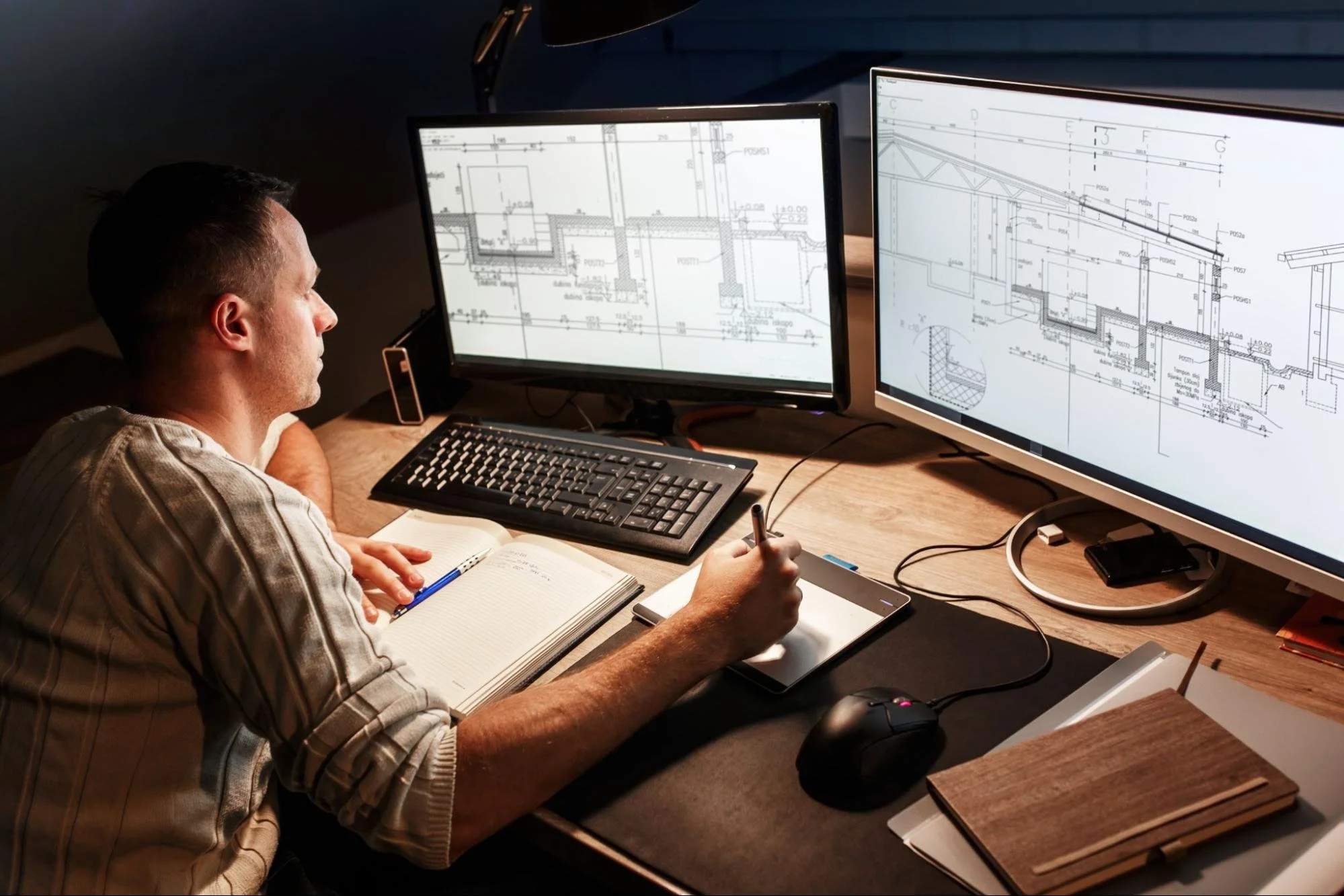
Construction projects move faster today, but expectations keep growing with every new development. Business owners need better ways to manage costs, improve coordination, and avoid delays before they affect the schedule. A BIM specialist uses Building Information Modeling to help project teams work from accurate, shared information throughout construction. That collaborative approach supports better planning and fewer costly surprises while keeping every stakeholder aligned. Companies that invest in the right BIM expertise often gain greater control over project outcomes from the very beginning.
Why Building Projects Need Better Coordination
Construction projects involve many moving parts, and every decision affects the next stage of work. Architects, engineers, contractors, and owners all depend on accurate information to keep projects moving forward. A BIM specialist connects those teams through a shared digital model that keeps everyone working toward the same goals.
Keep Every Team Working From the Same Information
Traditional construction often relies on separate drawings created by different disciplines. Those documents can become outdated after revisions, confusing the project. A BIM specialist manages one coordinated digital model that reflects approved changes in real time. Everyone works from the same information, which reduces misunderstandings before they affect construction. Better communication also shortens review times because teams spend less effort verifying different document versions. That consistency creates stronger collaboration from planning through project completion.
Find Problems Before Construction Begins
Small design conflicts can become expensive once crews begin installing materials on-site. Building Information Modeling makes those issues easier to identify during the planning stage. A BIM specialist performs clash detection to find conflicts between structural, mechanical, electrical, and plumbing systems before construction starts. Solving those problems early reduces change orders, material waste, and unnecessary labor costs. Contractors spend more time building and less time correcting preventable mistakes. Business owners benefit from steadier budgets and fewer unexpected disruptions.
How a BIM Specialist Benefits Your Business
Every construction decision affects the project's cost, schedule, and overall success. The right expertise helps teams avoid common setbacks while improving collaboration from planning through completion. These advantages explain why more businesses rely on BIM professionals to deliver better project outcomes.
Better Project Planning Leads to Better Outcomes
Strong projects start with informed planning, not assumptions and last-minute adjustments. Reliable information helps project teams make practical decisions before work reaches the construction site. The following advantages show how better planning creates stronger business results.
Build More Accurate Project Schedules
Construction schedules depend on every trade completing work in the right order. Delays often happen because one activity affects several others, and no one recognizes the connection. A BIM specialist uses coordinated models and construction sequencing to reveal those dependencies early. Project managers can adjust timelines before conflicts slow the job. Suppliers receive clearer delivery schedules, and field teams know when work areas become available. Better planning helps projects stay on track from groundbreaking to completion.
Improve Budget Forecasting Early
Accurate budgets require more than rough estimates and historical averages. Building information models contain detailed quantities that help estimators prepare realistic cost projections. A BIM specialist reviews project data and quantity takeoffs before purchasing decisions begin. Business owners gain a clearer understanding of expected expenses long before construction starts. Financial discussions become more productive because decisions rely on measurable information instead of guesswork. That visibility makes it easier to control spending throughout the project lifecycle.

Minimize Risks Before Work Begins
Construction risks rarely appear without warning, but they often go unnoticed until work begins. Digital project models make those warning signs easier to recognize during design and planning. Addressing issues early gives businesses more control over costs, schedules, and project performance.
Prevent Rework That Hurts Profitability
Rework increases labor costs, delays schedules, and affects customer satisfaction. Many of those problems begin with coordination errors that could have been detected earlier. A BIM specialist reviews digital models to identify inconsistencies before construction crews reach the site. Teams resolve those issues while changes remain simple and affordable. Less rework allows contractors to protect profit margins without sacrificing quality. Clients also appreciate projects that progress with fewer unexpected setbacks.
Support Better Compliance and Documentation
Construction projects must satisfy building codes, client requirements, and contract specifications. Managing that information becomes much easier when everything exists within one coordinated model. A BIM specialist organizes project documentation so teams can review requirements before important milestones. Inspectors and stakeholders receive clearer records that support faster approvals. Good documentation also creates accountability because every approved revision remains traceable. That organized process reduces confusion throughout the entire project.
Improve Efficiency Throughout Construction
Construction projects move more smoothly when information flows between the office and the job site without interruption. Delays often happen because teams work from outdated drawings or incomplete updates. Better coordination helps every phase connect naturally with the next.
Make Design Changes Easier to Manage
Design revisions happen on nearly every project for budget, engineering, or client reasons. A BIM specialist updates the central building model so approved changes appear across all related views and documents. Architects, structural engineers, MEP engineers, and contractors can review those updates before work continues. That coordinated process reduces confusion because every team sees the latest project information. Faster approvals help construction maintain momentum without compromising accuracy. Clients also gain confidence because they can clearly understand how proposed changes affect the project.
Plan Materials With Greater Accuracy
Ordering too much material increases costs, while ordering too little creates delays. Building information models generate accurate quantities that help procurement teams make informed purchasing decisions. A BIM specialist reviews those quantities before placing orders, reducing unnecessary spending and material waste. Contractors can schedule deliveries closer to installation dates, which also lowers on-site storage needs. Better planning keeps crews productive because materials arrive when they are needed. The result is a more efficient construction process with fewer costly interruptions.
Connect Office Planning With Field Work
Project plans only succeed when construction teams can apply them effectively on-site. A BIM specialist gives field supervisors access to updated models that support daily decision-making. Workers can confirm dimensions, locations, and installation details before beginning their tasks. Questions get answered faster because project information stays organized in one place instead of across multiple drawing sets. Better communication between the office and the field reduces delays and helps maintain consistent quality. That stronger coordination creates a smoother experience for everyone involved.

Make Better Business Decisions With Confidence
Construction projects generate valuable information every day, but that information only helps when teams can understand and use it. Business owners need clear insights, not scattered documents and conflicting reports. Better visibility allows companies to make informed decisions throughout the project lifecycle.
Make Decisions Using Reliable Project Data
Every construction decision affects budgets, schedules, resources, and client expectations. Building information modeling brings those details together inside one coordinated environment instead of separate files. A BIM specialist reviews project data to help managers evaluate options before approving major changes. That approach reduces guesswork because decisions reflect current project conditions. Business owners gain better visibility into progress, risks, and financial performance throughout the project. Reliable information also improves communication with investors, partners, and clients.
Build Stronger Client Relationships
Clients want regular updates that explain progress without overwhelming them with technical details. A BIM specialist uses visual building models to make complex information easier to understand. Project owners can review proposed changes and ask questions before construction moves forward. That transparency builds trust because it keeps expectations realistic from the start. Businesses that communicate clearly often receive stronger referrals and repeat work. Good relationships frequently begin with consistent communication and dependable project management.
Increase Long-Term Business Value
Construction technology should produce results that improve business performance, not simply add another software platform. Companies investing in digital construction expect measurable returns through better planning and coordination. Those long-term advantages continue creating value well beyond a single project.
Lower Rework and Operating Costs
Correcting completed work costs far more than preventing mistakes during planning. BIM reduces those costs because every discipline works from the same coordinated model, not separate drawings. A BIM specialist identifies issues early, allowing teams to resolve them before construction begins. Less rework saves labor, materials, and valuable project time. Those savings often outweigh the initial investment in BIM services. Businesses also strengthen profitability by avoiding preventable disruptions.
Deliver Projects Faster
Construction schedules become more predictable when planning, coordination, and communication improve together. BIM specialists help project teams organize workflows before fieldwork begins. Contractors spend less time waiting for revised drawings or resolving unexpected conflicts. Better coordination keeps activities moving in the intended sequence across the project lifecycle. Clients appreciate projects that finish closer to their planned completion dates. Faster delivery also allows companies to take on additional work sooner.
Strengthen Your Competitive Position
Winning more projects requires more than offering competitive pricing. Clients increasingly look for contractors who demonstrate organized planning and dependable project management. A BIM specialist helps businesses present coordinated designs, clearer schedules, and more accurate cost information during bidding. Those capabilities show potential clients that the company values preparation and accountability. Stronger project planning can also improve confidence during contract negotiations. That professional approach helps businesses stand out in a competitive market.
Common Questions About BIM Specialists
Business owners often hear about BIM without fully understanding how it fits into everyday construction projects. The answers below address common concerns that influence hiring decisions. Understanding these points makes it easier to determine when BIM services add value.
What Does a BIM Specialist Do?
A BIM specialist creates, manages, and coordinates digital building models throughout the project lifecycle. They help architects, engineers, contractors, and owners work from accurate, up-to-date project information. They also perform clash detection, support quantity takeoffs, review constructability, and organize construction documentation. Many professionals assist with 3D modeling, 4D scheduling, and 5D cost estimation to improve planning. Some also contribute to facility management by organizing building information for future maintenance. Their work supports better decisions from concept design through renovation.
When Should You Hire a BIM Specialist?
The best time to hire a BIM specialist is before design coordination begins. Early involvement lets teams catch issues before they become expensive construction problems. Planning, budgeting, scheduling, and procurement all benefit from accurate digital models created early in the project. Waiting until construction starts limits many of BIM's greatest advantages. Early collaboration also gives every discipline more time to coordinate effectively. That proactive approach usually delivers stronger project outcomes.
Can Small Construction Companies Benefit From BIM?
BIM is not limited to large commercial developments or complex infrastructure projects. Small contractors also face coordination challenges, budget constraints, and scheduling pressures. A BIM specialist helps smaller companies improve planning while reducing unnecessary costs. Digital models create better communication regardless of project size. Even modest projects benefit from fewer design conflicts and more accurate material planning. The value comes from better decisions, not project scale.
Build Smarter With a BIM Specialist
Every successful project starts with informed decisions made before construction begins. A BIM specialist helps your business improve coordination, reduce avoidable costs, and keep projects moving with greater confidence from start to finish. Bringing the right expertise into your team early creates stronger project outcomes and positions your business for lasting success.
Looking for practical insights on construction, surveying, and digital project solutions? Visit the LNE Surveys blog for expert guidance that helps you make informed decisions at every stage of your project.