
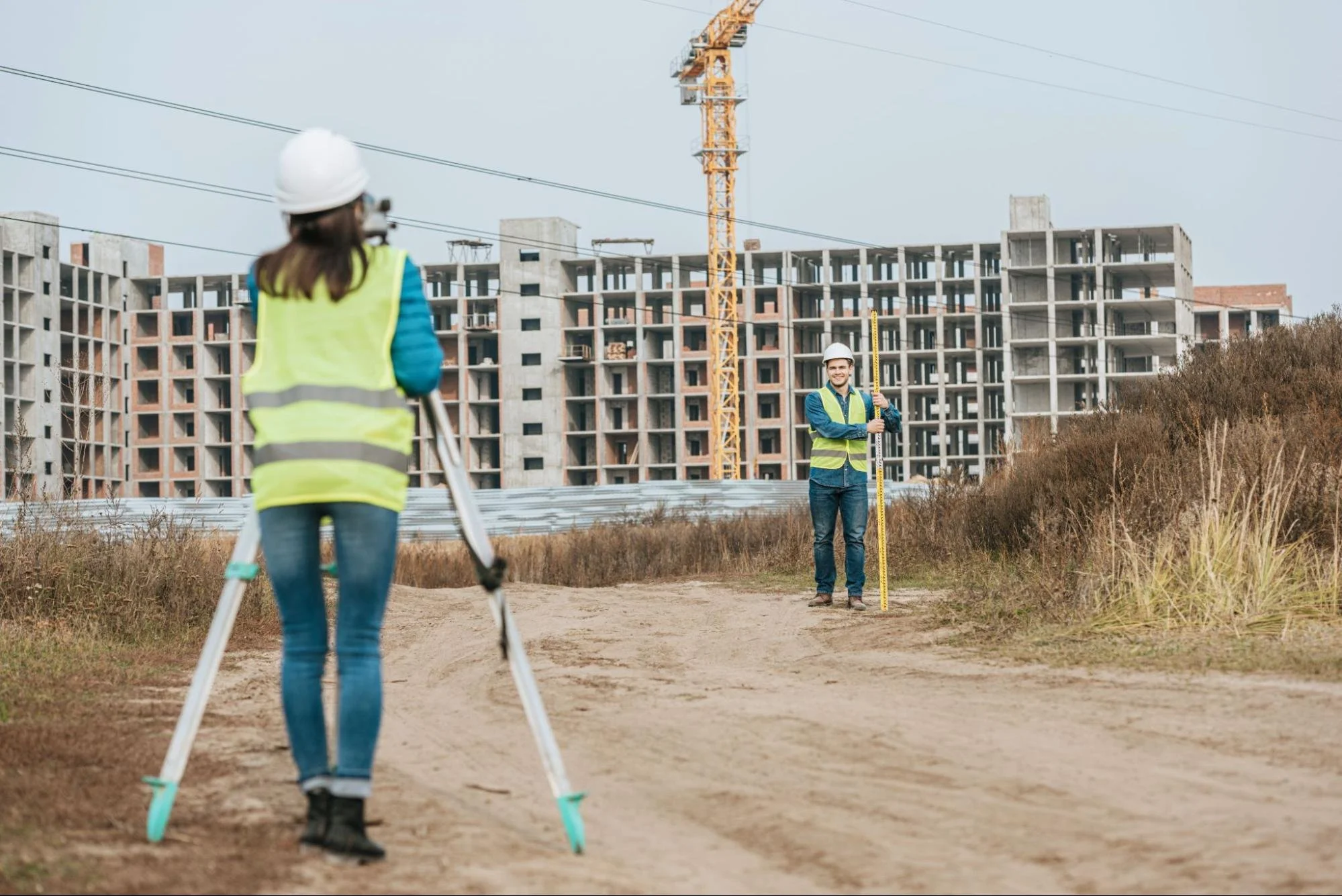
Construction projects rarely end exactly as planned because changes often happen once work begins. Those adjustments may improve the finished result, but they can also create differences between the approved plans and what actually exists on the property. Business owners often need reliable documentation before moving into the next phase of ownership, development, financing, or compliance. An as-built survey provides that verified record by reflecting completed site conditions instead of the original design. Understanding when this survey becomes necessary can help prevent delays, reduce costly surprises, and support better decisions long after construction is complete.
What is an As-Built Survey?
Construction drawings provide the roadmap for a project, but they rarely reflect every change made during construction. A final site survey captures completed conditions after the work is finished and creates a reliable record for future reference. That documentation becomes valuable throughout the property's lifespan because every future improvement begins with accurate information.
Understanding the Purpose of a Record Survey
An as-built survey documents the actual location of completed improvements instead of the planned design shown on construction drawings. Surveyors measure buildings, utilities, pavement, drainage systems, retaining walls, and other visible features after construction finishes. They compare those measurements with approved plans to identify approved field changes and revised dimensions. The completed survey becomes an important reference for architects, engineers, contractors, property managers, and business owners. Instead of relying on outdated plans, everyone involved can make decisions using verified site information. That accuracy saves time whenever maintenance, renovations, or future development begins.
What Information Does It Include?
The final survey typically shows completed buildings, parking areas, sidewalks, driveways, utility structures, grading, and drainage improvements. It may also document underground utilities when project records and field verification support their locations. Elevations, dimensions, setbacks, and permanent site features are carefully measured to reflect existing conditions. Those details help design teams understand the property without making assumptions about previous construction. Accurate records also support facility management because maintenance teams know where important infrastructure is located. Business owners benefit from having dependable documentation whenever new projects arise.
Why Construction Projects Change
Construction moves from drawings to reality, and unexpected conditions often appear along the way. Design revisions, owner requests, and site discoveries frequently change the finished project before completion. Those adjustments make final documentation far more valuable than relying on the original plans alone.
Site Conditions Often Require Changes
Excavation sometimes reveals unstable soil, hidden utilities, or underground obstacles that were impossible to identify during planning. Engineers adjust designs to solve those issues while keeping the project on schedule. Contractors then build according to the revised instructions instead of the original layout. Although those changes are completely normal, they create differences between approved drawings and completed improvements. A post-construction survey captures every verified adjustment so future work begins with accurate records. That documentation helps eliminate confusion years after construction has ended.
Business Decisions Can Affect Construction
Many business owners request changes after construction has already started. They may expand parking, relocate entrances, adjust loading areas, or modify utility connections to improve daily operations. Those revisions often create a better finished project, but they also change the property's physical layout. Without updated survey records, future contractors may rely on outdated information that no longer reflects reality. Recording every approved modification creates a clear history of the completed development. That history supports smarter planning whenever the property grows again.
When is an As-Built Survey Required?
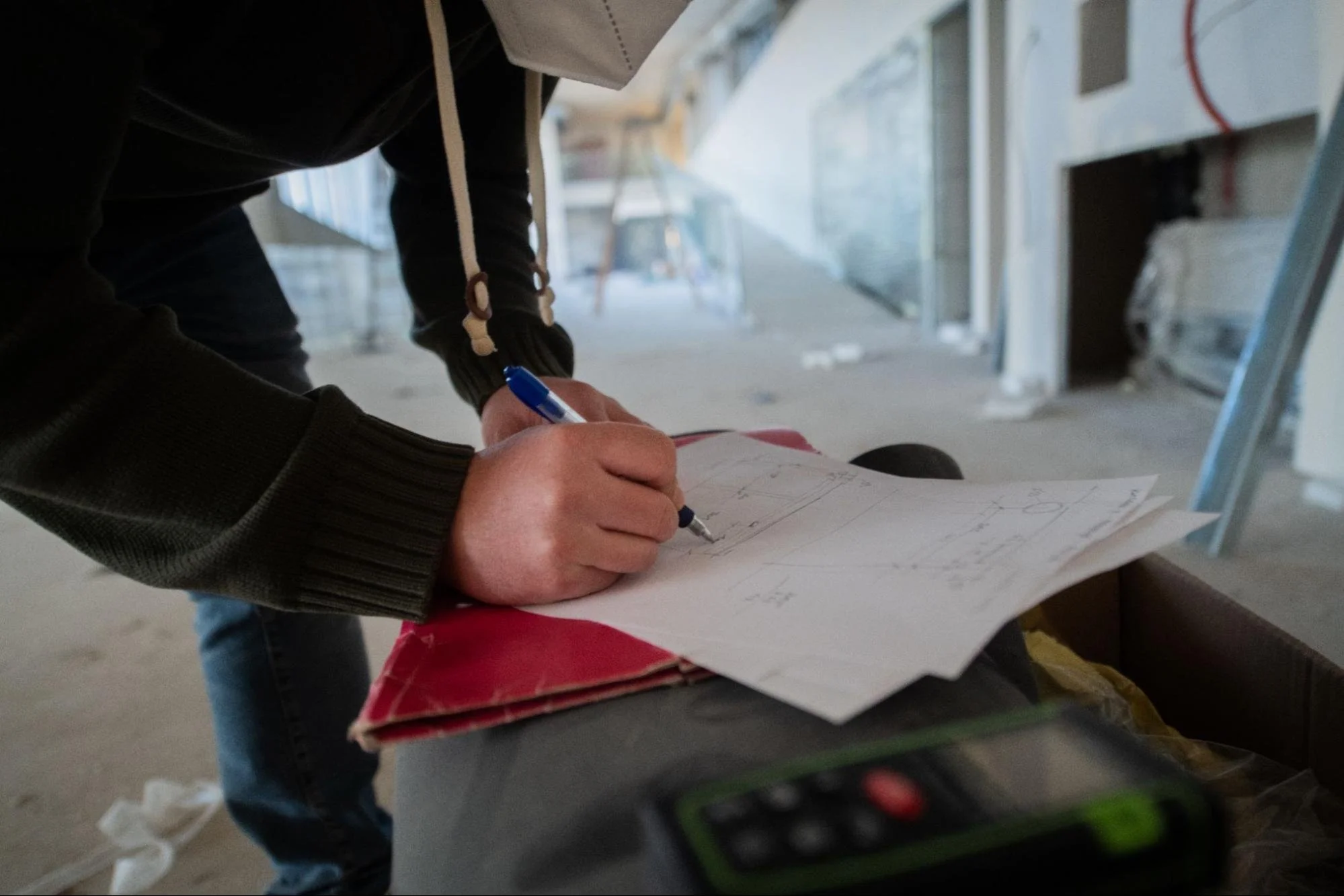
Many commercial projects require a completed survey before construction officially closes. Local agencies, lenders, and project stakeholders often request verified documentation before approving the finished work. Knowing when these requirements apply helps business owners avoid unnecessary delays and unexpected costs.
Before Final Inspections and Occupancy
Many permitting authorities require a completed record survey before issuing final approvals or certificates of occupancy. Officials review building placement, setbacks, drainage systems, accessibility improvements, and utility locations to confirm they match approved requirements. The survey provides measured evidence instead of estimates or visual observations. Missing documentation can delay inspections even after construction appears complete. Scheduling the survey before the final inspection helps projects move through the approval process more efficiently. Business owners also avoid costly scheduling changes that affect contractors and tenants.
During Commercial Property Development
Large commercial developments often involve several contractors, consultants, and financial partners throughout construction. Each party depends on accurate project documentation before the development changes hands or opens for business. Lenders may request final survey records before releasing remaining construction funds or completing financing requirements. Developers also use those records during property sales, lease negotiations, and future expansion planning. Verified documentation reduces uncertainty because everyone works from the same set of measured conditions. That consistency supports smoother project closeout and long-term property management.
Before Renovations or Building Expansions
Future construction starts with understanding what already exists on the property. Older drawings rarely capture years of modifications, repairs, or utility relocations that occurred after the original project ended. Architects and civil engineers rely on current survey information before preparing renovation plans. Accurate field measurements help designers avoid conflicts with existing buildings, drainage systems, and underground utilities. Contractors also spend less time solving unexpected problems once construction begins. That preparation often saves both time and money throughout the project.
Which Projects Commonly Need an As-Built Survey?
Many types of commercial construction benefit from final survey documentation, even when regulations do not explicitly require it. Accurate records become more valuable as properties grow, change, and require ongoing maintenance. Business owners who document completed work now often avoid larger expenses later.
New Commercial Construction
New office buildings, retail centers, warehouses, industrial facilities, and mixed-use developments commonly require a final construction survey before project closeout. The survey confirms that completed improvements match approved plans and records any approved changes made during construction. Surveyors verify building locations, parking lots, sidewalks, drainage features, utility connections, and other permanent improvements. Those records support inspections, financing, and future maintenance throughout the property's life. They also give property owners confidence that completed work reflects the project's approved design. That documentation becomes a trusted reference long after construction crews leave the site.
Site Redevelopment and Property Improvements
Commercial properties rarely remain unchanged for decades. Parking expansions, stormwater upgrades, utility replacements, and building additions gradually reshape the site over time. Every improvement changes existing conditions, making older drawings less reliable with each completed project. A post-construction survey captures those updates before they become forgotten or difficult to verify. Designers, contractors, and maintenance teams can then rely on current information instead of outdated plans. Business owners benefit from better coordination whenever future improvements begin.
Utility and Infrastructure Projects
Utility improvements often remain hidden beneath the surface after construction finishes. Water lines, sanitary sewers, electrical conduits, communication systems, and drainage structures all affect future development. Recording their installed locations reduces uncertainty before excavation or additional construction begins. Contractors can work more confidently because they understand where existing infrastructure is located. Accurate utility documentation also helps reduce accidental damage that leads to costly repairs and project delays. Those records continue providing value throughout the property's operational life.
Why Accurate Survey Records Matter
A completed survey does much more than satisfy project requirements. It provides reliable information that supports better business decisions throughout property ownership. Every future project becomes easier when accurate documentation already exists.
Better Planning for Future Construction
Expansion projects begin with understanding the property's existing conditions. Architects and engineers produce stronger designs when they work from verified measurements instead of assumptions. That accuracy reduces redesigns because existing structures and utilities are already documented. Contractors also spend less time resolving conflicts discovered after construction begins. Better planning creates more predictable schedules and budgets throughout the project. Business owners can move forward with greater confidence because reliable information guides every decision.
Easier Maintenance and Facility Management
Maintaining commercial property becomes easier when important site features are accurately documented. Facility managers can quickly locate utilities, drainage structures, and other permanent improvements during repairs. Maintenance contractors spend less time searching for buried infrastructure before beginning work. That efficiency reduces interruptions to daily business operations and helps projects stay on schedule. Reliable survey records also improve communication between maintenance teams and outside contractors. Over time, those small efficiencies can reduce operating costs across the property.
Stronger Support During Property Sales
Commercial real estate transactions depend on accurate property information. Buyers, lenders, attorneys, and investors often review survey records during due diligence. Current documentation answers important questions about completed improvements before negotiations become complicated. It also helps identify differences between existing conditions and older construction documents. Reliable records reduce uncertainty because everyone reviews the same verified information. That transparency can help transactions move forward with fewer unexpected issues.
How an As-Built Survey is Completed
Many business owners understand the value of a final survey but know little about the process itself. The work follows a structured approach that focuses on collecting accurate measurements and preparing dependable documentation. Understanding those steps makes it easier to appreciate the value of the finished product.
Measuring Existing Site Conditions
Surveyors begin by visiting the completed property with specialized equipment designed for precise field measurements. They document buildings, pavement, grading, drainage features, utilities, and other permanent improvements across the site. Modern surveying technology improves accuracy while allowing crews to collect information efficiently. Every measurement reflects the property's completed condition rather than the original design intent. Careful fieldwork creates the foundation for every drawing produced afterward. That attention to detail supports reliable records for years to come.
Comparing the Finished Work to Approved Plans
After collecting field measurements, surveyors compare the completed site with approved construction documents. They identify approved changes, revised dimensions, and completed improvements that differ from the original plans. Those differences become part of the final survey rather than remaining hidden within construction records. Designers and engineers use that information when preparing future projects or reviewing completed work. Accurate comparisons also help resolve questions before they become larger construction issues. The final document reflects what truly exists on the property today.
Delivering Final Project Documentation
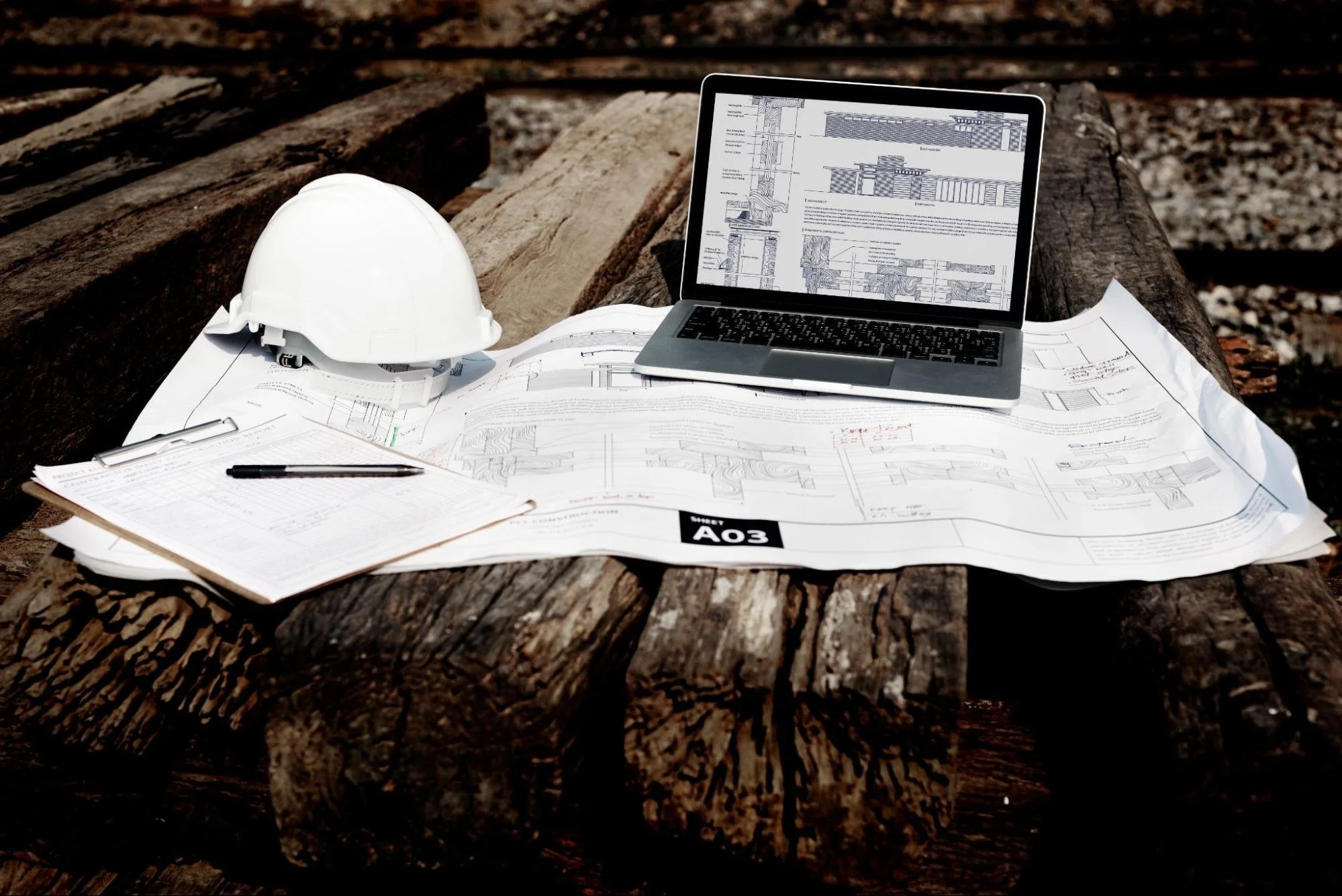
Once the review is complete, surveyors prepare detailed drawings showing the finished site. Those documents include measured locations, elevations, dimensions, and other important project information. Clients receive records that support project closeout, future design work, maintenance, financing, and regulatory compliance. Many organizations keep those records throughout the property's entire lifespan because they remain useful for future improvements. Accurate documentation also improves communication between contractors, consultants, and property owners. Every future project begins with reliable information instead of outdated assumptions.
Common Questions About As-Built Surveys
Business owners often have similar questions when planning construction or property improvements. Understanding the answers helps them make informed decisions before project closeout or future development. These questions also address topics commonly raised during permitting, financing, and commercial real estate transactions.
Is an As-Built Survey Always Required?
Not every construction project requires an as-built survey, but many commercial developments do. Local regulations, permit conditions, lender requirements, and construction contracts often determine when documentation is necessary. Even when it is optional, many owners still request one because accurate records provide long-term value. Future renovations become easier when completed site conditions have already been documented. Property managers also spend less time searching for information during maintenance or repairs. A professional survey often costs far less than correcting mistakes caused by outdated records.
Who Typically Requests an As-Built Survey?
Several parties may request final survey documentation during or after construction. Local permitting agencies often review surveys before issuing final approvals or occupancy certificates. Lenders may require them before releasing remaining construction funds. Architects, engineers, contractors, developers, and property owners also rely on accurate records when planning future work. Buyers frequently review completed surveys during commercial property transactions. Reliable documentation benefits everyone involved because it creates a shared understanding of existing conditions.
How Long Does an As-Built Survey Take?
The timeline depends on the property's size, complexity, and accessibility. Smaller commercial sites may require only a short period for fieldwork and documentation, while larger developments naturally take longer. Weather, site conditions, and project schedules can also influence completion times. Surveyors generally explain the expected timeline before work begins. Scheduling the survey early helps avoid delays near final inspections or project closeout. Early planning also gives owners more flexibility if additional documentation becomes necessary.
Schedule an As-Built Survey Before Future Decisions
Construction may end, but the decisions that follow continue throughout the life of the property. Accurate records from professional surveying services give business owners the confidence to plan renovations, manage maintenance, complete property transactions, and prepare for future development with reliable information. Scheduling an as-built survey after construction helps reduce uncertainty before it turns into costly setbacks.
Every project begins with accurate information. Explore the LNE Surveys blog for practical insights that help you plan smarter and build with confidence.