How to Avoid Mistakes in Commercial Renovations Through 3D Modeling Software

How to Avoid Mistakes in Commercial Renovations Through 3D Modeling Software

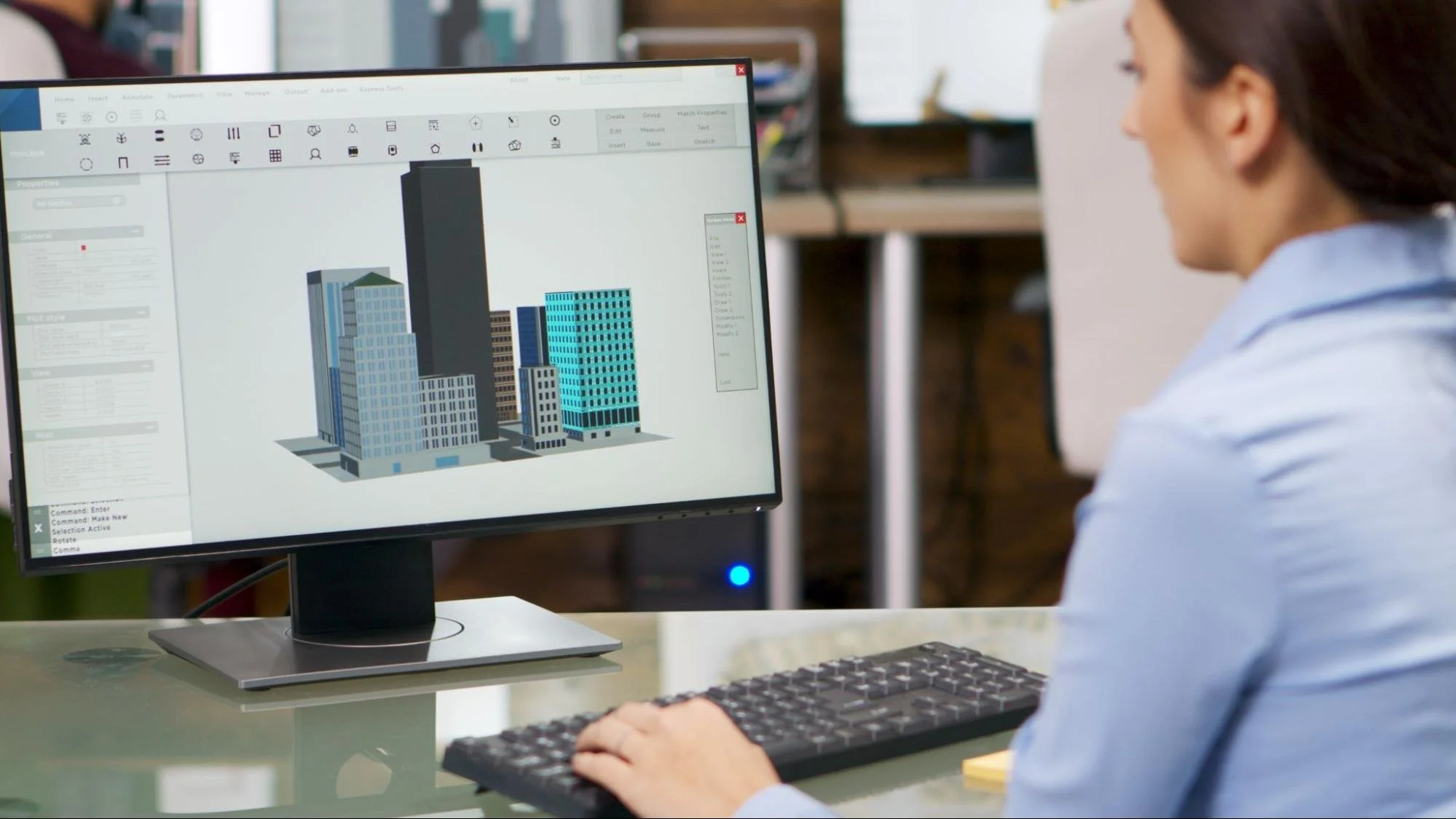
Commercial renovations come with countless variables—structural unknowns, outdated plans, budget constraints, and hidden code violations. These issues can compound quickly, especially in older or heavily modified buildings. A single error can delay your timeline or derail your budget entirely. That’s why 3D modeling software transforms how professionals plan, visualize, and execute renovations. It allows teams to simulate real-world conditions, detect system clashes, and integrate live data into the project workflow. These capabilities make 3D modeling software a powerful frontline defense against costly, preventable renovation mistakes.

How 3D Modeling Software Identifies Pre-Existing Structural Issues

One of the most significant risks in commercial renovations is beginning a project without fully understanding the existing structure. Older blueprints are often inaccurate or incomplete; hidden conditions—like outdated wiring or unmarked ductwork—can quickly derail progress. 3D modeling software solves this by using LiDAR or photogrammetry to create a precise digital twin of the building. The model details structural elements and mechanical systems, helping teams spot potential issues before demolition and preventing the common mistake of designing plans that don’t align with on-site realities.

Using 3D Modeling Software to Coordinate Renovation Teams

Poor communication and misaligned trades are leading causes of renovation delays, often resulting in errors like misplaced plumbing or drilled-through supports. These mistakes stem from fragmented information and unclear visuals. 3D modeling software solves this by giving all team members access to a shared, real-time model where updates are instantly visible. This centralized platform reduces conflicts, simplifies coordination, and makes meetings more efficient. Improving clarity and collaboration helps prevent costly errors before they reach the job site.

Preventing Cost Overruns With 3D Modeling Software

Budget overruns in commercial renovations often stem from miscalculations, unforeseen issues, or the need for rework. Traditional planning methods using 2D blueprints and estimates frequently fail to capture real on-site conditions. 3D modeling software minimizes these risks by digitally simulating every aspect of the renovation before work begins. This simulation allows stakeholders to estimate materials and labor more accurately, explore design options visually, and uncover cost-saving opportunities early. As a result, bidding becomes more precise, waste is reduced, and financial surprises are minimal.

Laptop next to a building model and a hard hat. 

How 3D Modeling Software Supports Compliance and Permitting

Depending on the jurisdiction, local building codes, ADA requirements, and fire safety regulations often vary. 3D modeling software helps renovation teams stay compliant by embedding rule checks directly into the design process.

Integrated Code Libraries

Many modeling tools auto-update to reflect the latest regional and national building codes. This automation ensures that your plans are always aligned with current regulations. By catching noncompliance early, you avoid costly revisions down the line. These tools can even flag potential code violations as you build, helping to eliminate manual checks. This proactive approach reduces risk and improves collaboration with local authorities.

ADA Accessibility Testing

3D modeling software can simulate how individuals with disabilities interact with the space. This simulation helps ensure that legal accessibility requirements are met before construction. It also supports inclusive design from the very beginning. Designers can test wheelchair routes, reach ranges, and clearances virtually. That means adjustments are made before a single wall is built, saving both time and money.

Documentation Output

These platforms generate code-ready submission sets that meet jurisdictional standards. Fewer errors in documentation mean fewer delays during permit review, streamlining approvals and keeping the project moving forward. With standardized templates and automated formatting, submission packets are easier to compile and review. Consistency across all drawings and documents enhances credibility with inspectors and plan checkers.

Enhancing On-Site Accuracy Through 3D Modeling Software Integration

One of the most overlooked advantages of 3D modeling software is its ability to integrate seamlessly with construction hardware and mobile devices. On-site crews can use tablets or AR headsets to access the digital model, allowing them to visualize real-time updates and compare the model to actual conditions with pinpoint accuracy. This capability dramatically reduces misaligned systems, framing mistakes, or misplaced walls. It also speeds up the inspection process by enabling teams to identify and address issues immediately. Instead of waiting for revised blueprints, field crews can collaborate on solutions directly through the model.

Using 3D Modeling Software to Handle Unexpected Changes

Even the most carefully planned commercial renovations run into unexpected issues like corroded beams, hidden pipes, or mold behind walls. What sets successful teams apart is their ability to respond quickly and precisely to these surprises. With 3D modeling software, the affected area can be rescanned, and the model can be updated almost immediately. This feature allows architects and contractors to redesign around the issue, test different solutions virtually, and adjust the project schedule. As a result, delays are minimized, and costly disruptions are avoided.

Reducing Change Orders With 3D Modeling Software

Change orders are the bane of commercial renovation. They introduce uncertainty, increase costs, and frustrate clients. Many are caused by design conflicts or incomplete site understanding. By leveraging 3D modeling software from the start, most of these issues can be detected and addressed before they make it to the job site. Visual clash detection and performance simulation tools can verify whether ductwork will interfere with joists or if plumbing pathways are viable. These insights lead to a far more stable scope of work and fewer costly surprises mid-project.

How 3D Modeling Software Improves Stakeholder Engagement

In commercial renovations, success often hinges on keeping investors, tenants, and clients informed and confident. 3D modeling software provides compelling visual tools that make it easier to present progress, explore design alternatives, and secure buy-in at each phase.

Instead of relying on abstract blueprints or technical jargon, you can showcase walkthroughs, exploded views, or time-lapse simulations. These presentations build trust and make it easier to catch design oversights early when feedback is still actionable.

The Role of 3D Modeling Software in Sustainable Renovation

Sustainability is no longer optional in commercial renovation. Building efficiency is a top priority for LEED certification, ESG goals, or simply utility savings. 3D modeling software supports this by simulating energy usage, daylight access, and HVAC loads—all based on the physical and geographic characteristics of the existing building.

Before committing to construction, you can evaluate how insulation upgrades will perform, model solar panel placements, or optimize window retrofits—all digitally. This digital evaluation leads to greener, more efficient buildings without the waste of trial-and-error upgrades.

Future-Proofing Commercial Spaces With 3D Modeling Software

Renovations aren't just about fixing what's broken—they’re about preparing a space for long-term use. 3D modeling software makes it easier to plan for adaptability by allowing you to visualize flexible layouts, modular furniture plans, or future expansions.

Whether your renovation prepares for a growing tenant base or upgrades systems for future tech integration, the model becomes a living record of what exists and a blueprint for what’s possible.

Long-Term Asset Value From Digital Records

3D modeling software provides long-term value by preserving detailed digital records of a building's layout and updates. These models can integrate with facility management systems, track renovation history, and support lifecycle cost planning. This integration  ensures ongoing maintenance is streamlined and future upgrades are based on accurate, up-to-date information. It also reduces reliance on paper records or outdated floor plans, which become obsolete. With a central digital model, stakeholders can make informed decisions throughout the building’s lifespan.

Common Renovation Mistakes That 3D Modeling Software Helps You Avoid

Some of the most costly mistakes in commercial renovations stem from coordination breakdowns and inaccurate assumptions during planning. 3D modeling software addresses these risks by enhancing accuracy, communication, and regulatory alignment.

Design Conflicts and System Clashes
3D modeling software identifies layout conflicts between HVAC, plumbing, and electrical systems before construction begins. This clash detection helps teams resolve issues digitally rather than on-site, where fixes are more expensive. It also allows multiple disciplines to coordinate their work in one unified environment. You reduce rework, cost overruns, and construction delays by catching these overlaps early.

Measurement and Fitment Accuracy
Laser-scanned models provide exact, real-world dimensions of existing spaces. This accuracy ensures that all prefabricated materials, structural components, and fixtures fit correctly the first time. Reducing manual measurement errors prevents downstream problems like misaligned framing or incompatible installations. With better accuracy, teams save time and avoid costly material waste.

Faster Permitting Through Code Validation
Many 3D modeling platforms include integrated code compliance checks during the design phase. This integration allows teams to validate layouts against local building regulations before submitting them for approval. When designs are compliant, permit review times are significantly reduced. Fewer rounds of revisions also translate to faster project kickoff and less administrative overhead.

Word “BUDGET” on word tiles on top of a stack of money. 

Cost Estimations and Budget Control
3D modeling software supports detailed quantity takeoffs and performance simulations to forecast costs more precisely. By modeling material usage and energy performance, teams can spot budget risks before construction starts, making planning contingencies and adjusting specifications easier to meet financial goals. Avoiding budget surprises also helps maintain trust between stakeholders and clients.

Team Alignment Through Real-Time Sharing
Cloud-based modeling platforms allow all stakeholders to view and collaborate on the same digital file in real-time. This feature ensures everyone—from architects to subcontractors—works from the most up-to-date version of the design. It minimizes errors caused by miscommunication or outdated drawings. Clear visibility across all project phases improves coordination and accelerates decision-making.

Why 3D Modeling Software is Essential for Commercial Renovations

If your renovation strategy still relies on 2D plans, disconnected teams, and field corrections, you’re leaving your project vulnerable to errors, delays, and budget overruns. 3D modeling software changes the game by bringing every detail—visible and invisible—into a unified digital environment. It enables better planning, tighter coordination, and faster problem-solving at every stage of construction. More than a design tool, it’s a risk management asset that helps commercial renovations stay on time, on budget, and with vision.

Visit our LNE Surveys blog to learn more about our professional surveying services nationwide.

What a Survey Company Looks for in Pre-Existing Commercial Buildings

What a Survey Company Looks for in Pre-Existing Commercial Buildings

When evaluating pre-existing commercial buildings, a professional survey company does more than take measurements. These properties often have a layered history—renovations, code changes, undocumented modifications, and aging infrastructure—that can significantly impact future use. The survey process is essential for ensuring safety, planning renovations, and protecting financial investments. Below, we explore what a survey company looks for when assessing existing commercial structures—and why these details matter more than ever.

How a Survey Company Begins with Documentation and Field Surveys

Every commercial building survey starts with a documentation review and field validation. While some buildings come with blueprints or as-built drawings, these are frequently outdated or incomplete. A comprehensive survey company begins by cross-referencing existing records with the physical structure to identify gaps and inconsistencies.

Field Surveys Expose Undocumented Changes

Field surveys are critical to confirming a building’s layout. Surveyors walk through every floor and use precise instruments to measure walls, openings, and structural elements. They often uncover inconsistencies—walls added or removed, doors sealed, or mechanical systems moved without updates to official plans. These changes can impact fire safety, tenant layout, or ADA compliance, making them essential to document.

Why Surveyors Can’t Rely Solely on Plans

Architectural drawings may reflect the building’s original intent, but many commercial spaces have evolved significantly over time. Field surveys ensure owners and developers are working with reality, not assumptions, preventing expensive mistakes during renovations or transactions.

Survey Companies Use As-Built Surveys to Establish Real Dimensions

An as-built survey captures the actual dimensions and physical layout of a building as it stands today. These surveys serve as the foundation for any renovation, retrofit, or resale effort, and they are especially critical for commercial projects involving multiple stakeholders.

As-Built Surveys Correct Common Measurement Errors

Pre-existing commercial buildings frequently contain layout discrepancies—corridors that don’t align, ceiling heights that vary, or mechanical rooms that exceed code allowances. A survey company addresses these discrepancies early, enabling better planning and permitting outcomes.

Laser Scanning Elevates Survey Accuracy

Advanced survey companies use 3D laser scanning (LiDAR) to produce highly accurate digital models. These tools allow surveyors to gather millions of data points across floors, ceilings, and structural elements. The data is often used to produce CAD drawings or BIM models, making coordination between architects, engineers, and contractors seamless.

Word “safety” on wood blocks. 

Structural Surveys Help Evaluate Building Safety

A survey company’s job goes beyond measurements—they’re also responsible for spotting signs of structural distress in aging buildings. This is especially vital in older commercial properties that have seen decades of occupancy and use.

Surveyors Identify Red Flags in Building Movement

Structural surveys detect misaligned door frames, cracked masonry, sloped flooring, or bowed supports. These signs may indicate foundational shifting, water damage, or material fatigue. Survey companies document these issues to guide repair or further engineering review.

Non-Destructive Testing Is Often Used in Structural Surveys

Survey companies use non-destructive testing (NDT) like ground-penetrating radar or infrared thermography to avoid damage during structural assessments. These tools help assess concrete integrity, voids behind walls, or moisture accumulation—without tearing the building apart.

A Survey Company Evaluates Code and Accessibility Compliance

Compliance with updated codes is one of the most overlooked but important aspects of surveying a commercial building. Surveyors examine accessibility, safety features, and zoning compatibility to ensure the building meets current regulations.

Survey Companies Check ADA Accessibility

Surveyors examine entry points, ramps, hallway widths, restrooms, and elevators to determine if they comply with Americans with Disabilities Act (ADA) standards. Older buildings frequently fall short of these requirements, and surveys help property owners plan for necessary upgrades before inspections or litigation risks arise.

Life Safety Surveys Protect Occupants

Survey companies also assess fire safety elements: Are there two means of egress from every floor? Do exit routes have proper signage? Are sprinklers and alarms in place? These details are not just technical—they can save lives in an emergency and are required for occupancy certification.

Surveying Building Geometry for Renovation or Redevelopment

When a commercial property is being renovated, repurposed, or re-leased, the survey company’s geometric data becomes a key asset. Surveyors capture everything from floorplates and ceiling heights to column spacing and façade features.

Survey Data Powers Accurate Design and Engineering

Without current, detailed geometry, architects and engineers risk planning based on guesswork. Survey companies remove that uncertainty by documenting every physical detail, making it easier to design upgrades, install new systems, or change layouts for new tenants.

Exterior and Roof Surveys Are Equally Crucial

The exterior of the building—especially the roof—receives special attention. Surveyors look for drainage issues, structural deformation, and parapet wall conditions. They also capture grade changes and exterior access points, which impact site planning and ADA upgrades.

MEP Surveys Support Modern Infrastructure Upgrades

Survey companies are also crucial in evaluating mechanical, electrical, and plumbing (MEP) systems within pre-existing commercial buildings. These components often require replacement or modernization, especially in buildings over 20 years old.

Surveyors Locate Hidden Utilities and Infrastructure

MEP surveys map out the exact location of ductwork, wiring runs, water lines, shut-off valves, and utility panels. These are often hidden behind walls or ceilings, and misidentifying them can lead to delays or accidental damage during construction.

Supporting Engineers with Accurate Survey Outputs

Engineers rely on survey data to calculate system loads, pressure drops, and electrical capacities. The survey company’s contribution ensures that planned upgrades—like HVAC modernization or adding EV charging stations—are realistic and code-compliant.

Environmental Surveys Address Health and Hazard Concerns

Environmental hazards are more likely in older commercial buildings, making environmental surveying an essential part of the broader assessment process.

Surveyors Flag Hazardous Materials

Survey companies identify warning signs of materials like asbestos, lead paint, mold, and outdated refrigerants. These issues require specialized abatement strategies, and early identification prevents unexpected budget overruns.

Surveying Past Use for Environmental Risk

If the building previously served industrial or medical purposes, surveyors assess whether legacy contaminants may exist in walls, flooring, or soil. They may recommend additional environmental testing or remediation planning, especially if the site is being converted for public use or residential occupancy.

A Survey Company Produces Digital Models for Modern Planning

Today’s survey companies deliver more than paper floor plans—they create full digital models compatible with architectural and construction software. This includes 2D CAD files, 3D BIM files, and geospatial data when applicable.

BIM and 3D Surveys Improve Long-Term Property Management

By creating a BIM model, survey companies offer a dynamic tool that property managers and facility teams can use well beyond construction. These models help with asset tracking, space planning, and predictive maintenance by embedding data about HVAC units, elevators, and emergency systems.

GIS Integration for Site-Wide Surveys

Survey data is often integrated into GIS systems for larger commercial campuses. This geospatial layer allows for advanced planning involving parking lots, underground utilities, or multi-building access coordination.

Surveying Tailored to the Building’s Future Use

Every commercial building is different—and so is the purpose of each survey. Whether the building is being bought, sold, repurposed, or renovated, the survey company tailors its deliverables accordingly.

Surveys for Due Diligence and Transactions

Before a property changes hands, surveys document boundaries, easements, and interior conditions. ALTA/NSPS land title surveys are especially common during high-value commercial transactions, protecting both buyer and lender from title issues or zoning conflicts.

Surveys for Renovation and Adaptive Reuse

When a warehouse becomes office space or a church is converted to a school, the survey scope shifts. Survey companies look for factors that impact adaptive reuse, like ceiling height minimums, egress route possibilities, and fire separation ratings.

Why Experience Matters in Commercial Building Surveys

Surveying a pre-existing commercial building isn’t just technical—it requires intuition and experience. The best survey companies know how to read between the lines of old blueprints, anticipate problem areas, and identify risks that others might miss.

Specialized Survey Teams Offer Better Results

Buildings with medical, industrial, or historic backgrounds benefit from surveyors familiar with those types of construction. These teams recognize material types, structural methods, and regulatory patterns unique to each niche, providing more accurate and insightful reporting.

Survey Companies Reduce Risk and Increase ROI

Ultimately, an experienced survey company helps clients make informed decisions. Whether that means saving money on renovation, avoiding delays during permitting, or maximizing a building’s value during resale, the return on investment is clear.

Woman looking at a tablet with a blueprint on the screen while wearing a vest and a hard hat. 

Unlocking Building Potential With a Professional Survey Company

Pre-existing commercial buildings offer tremendous value—but only when their risks and realities are fully understood. A professional survey company delivers clarity in the face of uncertainty, mapping out not just where the walls are, but what lies beneath them. From code compliance and structural integrity to laser scanning and BIM modeling, today’s survey companies empower property owners, investors, and developers to make confident, data-backed decisions. When working with older buildings, there’s no substitute for experience—and no success without a comprehensive, professional survey.
Visit our LNE Surveys blog to learn more about our surveying services nationwide.
What Is BIM?

What Is BIM?

In the modern commercial real estate industry, Building Information Modeling (BIM) has become a powerful tool for maximizing properties' functionality, safety, and profitability. At the same time, many associate BIM with new construction; its value for pre-existing commercial buildings is often even more significant. Aging facilities have hidden risks, incomplete documentation, and complex renovation demands—challenges BIM is uniquely equipped to address. By creating intelligent digital replicas of buildings and embedding them with data, stakeholders gain clarity and control over every square foot of space, regardless of the structure’s age.

How BIM Works in the Context of Existing Commercial Buildings

Using BIM for a pre-existing commercial building involves a distinct process compared to new construction. Rather than starting from scratch, professionals must first understand and digitally capture what already exists before any modeling or planning can begin.

Capturing Current Conditions

Using BIM for an existing commercial building starts with documenting the structure’s current state as accurately as possible. This is typically done through laser scanning, photogrammetry, and detailed site walkthroughs. The result is a comprehensive digital record of the existing building.

Creating the BIM Model

The captured data is imported into BIM software like Autodesk Revit to create a three-dimensional model. This model includes precise geometry that reflects the architecture and systems in place. It becomes a visual foundation for all future work.

Mapping Building Systems

Beyond basic geometry, the model identifies architectural layouts, mechanical components, plumbing networks, electrical systems, and structural elements. Each layer is organized for easy access and modification. This level of detail supports accurate renovation planning and facility upgrades.

Integrating Data and Metadata

BIM allows each building component to be linked with critical information, such as manufacturer specifications and installation dates. Maintenance schedules and service histories can also be embedded in the model. This transforms the digital model into a powerful operational tool.

Supporting Long-Term Asset Management

Commercial property managers gain a centralized hub with BIM for overseeing system performance and maintenance. It reduces reliance on paper records and fragmented digital files. Over time, it supports smarter decision-making and preserves institutional knowledge.

Outside of a commercial building.

Why BIM is Essential for Managing Older Commercial Properties

Pre-existing commercial buildings often come with a host of legacy issues, including missing as-builts, undocumented renovations, incompatible mechanical systems, and years of deferred maintenance. BIM gives owners and property managers a clear view of how a building was originally constructed, how it currently operates, and how future upgrades might interact with existing systems. Rather than piecing together information from outdated floor plans, scattered PDFs, or staff recollection, teams can rely on a single digital model that holds accurate, real-time building data. This centralized source streamlines communication between owners, contractors, and design professionals, reducing errors, speeding up timelines, and helping to control costs. BIM is the essential link between past construction and future planning for buildings facing adaptive reuse, energy efficiency upgrades, or multi-phase renovations.

Using BIM to Streamline Renovation and Retrofit Projects

Renovating a commercial building without a clear understanding of its existing conditions can lead to costly surprises and avoidable delays. BIM eliminates much of that uncertainty by providing a detailed, data-rich digital model that accurately reflects the building’s current state. Designers and contractors can simulate proposed changes, test scenarios, and detect potential issues—such as outdated ductwork or structural vulnerabilities—before construction begins. Built-in clash detection tools make it easier to identify where mechanical, electrical, or plumbing systems may interfere with one another, helping teams avoid conflicts onsite. Whether the goal is to upgrade HVAC systems, modernize infrastructure, or ensure compliance with current codes, BIM delivers the insight and precision needed to stay on schedule and on budget.

How BIM Supports Long-Term Facility Management

BIM’s value doesn’t stop at construction—it becomes an even more powerful tool during the long-term operation of a commercial building. From maintenance planning to space optimization, a well-maintained BIM model streamlines everyday decision-making and supports more efficient facility management.

Preventative Maintenance Planning

BIM allows facility teams to schedule maintenance tasks based on accurate service timelines and equipment specifications. Historical data embedded in the model helps anticipate potential failures before they occur. This reduces unplanned downtime and extends the life of building systems.

Faster Troubleshooting and Repairs

Instead of dispatching technicians blindly, managers can consult the BIM model to pinpoint problem areas. They can view system layouts, review past repairs, and identify specific parts in need of service. This saves time, minimizes labor hours, and speeds up resolution.

Improved Space Utilization

As businesses evolve, space needs change, and BIM helps managers adapt quickly. With real-time visualization of layouts and occupancy, reconfiguring workstations or common areas becomes more efficient. This capability is especially useful for multi-tenant buildings or hybrid office models.

Streamlined Tenant Fit-Outs

When new tenants move in, BIM makes planning electrical, plumbing, and network changes easier without disrupting existing systems. It provides clear documentation of infrastructure capacity and limitations. As a result, move-ins and customizations happen faster and with fewer surprises.

Data-Driven Operational Decisions

BIM supports smarter, data-backed strategies for energy use, equipment upgrades, and asset management. Facility teams can analyze building performance over time and prioritize investments, ensuring that capital improvements align with actual operational needs.

Word “compliance” on word tiles. 


Enhancing Regulatory Compliance Through BIM

Navigating building codes and regulatory requirements can be especially challenging in older commercial buildings, where original construction may not meet current standards. BIM simplifies this process by enabling architects and facility managers to model compliance scenarios directly within the digital environment. Elements such as fire safety systems, ADA accessibility, emergency egress routes, energy efficiency, and ventilation can all be visualized and updated in real-time. During inspections or code enforcement reviews, having a current BIM model gives property owners a clear advantage by visually representing compliance and pinpointing areas needing improvement. This streamlines interactions with regulators and promotes a more proactive, organized approach to building safety and sustainability.

How BIM Adds Value to Commercial Real Estate Portfolios

For commercial real estate investors and asset managers, BIM delivers substantial strategic value by improving transparency and reducing the complexity of property oversight. A building modeled in BIM becomes far easier to assess, operate, and maintain, thanks to its centralized, data-rich structure. When ownership changes, the BIM model can be transferred seamlessly, giving the new owner immediate access to service records, infrastructure layouts, and maintenance histories. This level of documentation positively influences property valuation, as buildings with comprehensive digital records are simpler to appraise and carry fewer unknown risks. BIM can make a property significantly more appealing to buyers and tenants alike in competitive markets where energy efficiency, resilience, and digital infrastructure matter.

The Role of BIM in Creating Digital Twins for Commercial Buildings

One of the most significant advancements in BIM is its integration with digital twin technology. A digital twin creates a continuously updated, real-time replica of a building by combining BIM with data from sensors, systems, and user activity.

  • Real-time building monitoring: Digital twins allow facility managers to track performance metrics like energy usage, indoor air quality, and lighting levels in real-time. This data is visualized directly within the BIM model, offering a comprehensive view of building operations. It enables faster responses to issues and supports data-driven decision-making.

  • Smarter Retrofitting of Older Buildings: Even decades-old commercial properties can benefit from digital twin integration. Adding IoT sensors to a 50-year-old office building and syncing them with a BIM model enhances visibility into system performance and occupant behavior. This approach can lead to major improvements in energy efficiency and maintenance planning.

  • Support for Sustainability and Certifications: Digital twins easily benchmark sustainability goals and meet smart building standards. With continuous data flow, property teams can track performance against LEED or WELL criteria more accurately. This helps commercial buildings remain competitive in a market increasingly focused on environmental accountability.

BIM Software for Existing Commercial Buildings

Several BIM platforms have been specifically designed to address the complexities of modeling and managing pre-existing buildings. Autodesk Revit is one of the most widely adopted and is known for its powerful modeling, coordination, and data integration capabilities. Other platforms, such as Graphisoft Archicad, Bentley OpenBuildings, and Trimble’s Scan Essentials, offer strong support for converting laser scans into accurate, usable models. Commercial building teams integrate these tools with facility management software or customized dashboards to monitor performance and improve operational efficiency. As cloud-based BIM becomes more prevalent, collaboration improves across departments and locations, making it easier to manage and scale building data throughout entire property portfolios.

Future Outlook for BIM in Commercial Building Management

The future of BIM in commercial real estate is defined by growing intelligence, improved accessibility, and deeper integration with building operations. Artificial intelligence and machine learning are beginning to enhance BIM platforms by providing predictive capabilities, such as identifying potential system failures or suggesting optimized maintenance schedules. At the same time, cloud-based storage, mobile compatibility, and intuitive interfaces are making BIM more approachable for teams without technical backgrounds. As environmental regulations tighten and sustainability becomes a top priority, BIM will take on a larger role in tracking carbon emissions, benchmarking energy use, and guiding green retrofits. With governments and industry leaders advocating for digital modeling as a climate solution, BIM is evolving from a design tool into a critical asset for long-term commercial property resilience.

BIM: The Digital Backbone for Existing Commercial Buildings

So, what is BIM in the context of pre-existing commercial buildings? It’s a lifeline for aging infrastructure, a foundation for smart renovations, and a blueprint for long-term value. BIM transforms scattered documents and aging systems into coordinated digital models that support every phase of a building’s life. From improving energy efficiency and code compliance to simplifying renovations and supporting tenant satisfaction, BIM turns complexity into clarity.

BIM gives property owners and managers the tools to stay competitive in a market that rewards adaptability, efficiency, and transparency. It’s not just a modeling tool—it’s a smarter way to run a building. For pre-existing commercial spaces looking to evolve with the times, BIM isn’t just helpful. It’s essential.

Visit our LNE Surveys blog to learn more about our professional surveying services for existing commercial buildings nationwide. 


Benefits of CAD Drafting for Commercial Building Surveys

Benefits of CAD Drafting for Commercial Building Surveys

In commercial real estate and construction, precision and efficiency are everything. Commercial buildings require accurate data to support informed decisions, from architectural planning to structural modifications. This is where CAD drafting—short for Computer-Aided Design—proves indispensable. While traditional hand-drawn methods still have their place in niche applications, modern commercial building surveys benefit significantly from CAD-based workflows. This blog explores the major advantages CAD drafting offers for commercial building surveys, from improved accuracy to collaborative efficiency and long-term asset management.

1. Precision and Consistency in Measurements

One of the most significant advantages of CAD drafting is its ability to deliver unmatched precision. Commercial buildings often have complex layouts, mechanical systems, and architectural details that demand exact measurements. Manual drawings are prone to errors, inconsistencies, and scaling inaccuracies. In contrast, CAD software ensures that measurements are consistent and mathematically precise—down to the millimeter. This precision is vital when dealing with space planning, HVAC system layouts, fire safety designs, and any construction or renovation efforts that rely on exact dimensions. With CAD drafting, survey data can be translated into fully scaled digital plans that eliminate guesswork and reduce the risk of miscommunication.

2. Time Efficiency and Faster Turnaround

Traditional hand drafting is labor-intensive, requiring more time to produce and revise drawings. CAD drafting streamlines this process through intuitive tools, predefined templates, and reusable block libraries. Survey data can be quickly imported and rendered into accurate technical drawings, significantly reducing turnaround times. For commercial building projects—where time is often money—CAD drafting accelerates documentation and allows architects, engineers, and contractors to make timely decisions. This improved efficiency enhances client satisfaction, allowing faster project approvals and minimizing downtime between survey completion and actionable planning.

3. Easy Revisions and Version Control

Revisions are an inevitable part of any building project. Whether it's a redesign prompted by zoning restrictions or changes in the building's purpose, updates must be made quickly and without introducing new errors. With manual drafting, even minor changes require redrawing large sections of a plan. CAD drafting allows users to make real-time updates with simple commands, dramatically reducing editing time. Additionally, CAD software supports version control and drawing history, enabling professionals to track changes, revert to previous versions, or share different drawing iterations with stakeholders. This flexibility ensures seamless collaboration across design and survey teams.

4. Comprehensive Documentation and Standardization

CAD drafting promotes consistency in documentation by allowing standardized drawing formats, layers, line weights, and annotation styles. For commercial building surveys, this ensures that all drawings follow a coherent structure—making them easier to interpret across teams, municipalities, and engineering disciplines. This standardization also ensures compliance with industry-specific guidelines, such as those outlined by BOMA (Building Owners and Managers Association) for space measurement or ADA (Americans with Disabilities Act) for accessibility. CAD-generated documents are clean, professional, and readily accepted by permitting offices and contractors alike.

5. Integration With Other Surveying Tools

Modern CAD platforms integrate seamlessly with other technologies commonly used in commercial building surveys. Point clouds from laser scanning (LiDAR), drone-captured imagery, and photogrammetry data can all be imported into CAD programs to produce highly accurate as-built drawings. This integration is especially beneficial in large-scale commercial surveys, where gathering field data from multiple systems and sources is routine. Rather than translating data manually, CAD enables direct overlay and modeling—helping surveyors ensure alignment between real-world conditions and digital plans with minimal friction.

6. Enhanced Visualization and Analysis

While CAD drafting may not offer the immersive 3D visualization of BIM, it still supports powerful 2D and 3D drafting capabilities that aid in analyzing space usage, structural configurations, and design implications. Through layering, color-coding, and elevation modeling, CAD drawings help visualize complex building systems in a digestible format. Commercial clients often need to understand how spaces will function—especially in high-traffic environments like shopping centers, office buildings, or warehouses. CAD drawings can be used to simulate circulation patterns, fire escape routes, lighting layouts, and other critical building dynamics that traditional sketches or narrative reports fail to illustrate clearly.

7. Cost Savings Over Time

Accurate CAD drafting reduces costly errors caused by dimensional discrepancies, missed components, or unclear drawings. These errors can result in change orders, construction delays, or failed inspections—each with financial implications. Commercial property owners and developers can avoid rework and stay within budget by investing in professional CAD drafting services. Furthermore, CAD files can be reused and updated for future renovations or expansions, providing a long-term digital asset. Over the lifecycle of a commercial property, the ability to reference and revise existing CAD files becomes a cost-saving advantage that grows over time.

Picture of young female designer holding camera in front of a digital CAD drawing.

8. Supports Facilities Management and Maintenance

Once a commercial building is occupied, accurate CAD drawings are a tremendous asset for facilities management. These plans are a reliable reference for locating utilities, mechanical equipment, electrical panels, and plumbing systems. Maintenance teams can use CAD layouts to plan service routes, upgrades, and safety inspections efficiently. In buildings with complex mechanical, electrical, and plumbing (MEP) systems, CAD-based documentation ensures that no vital detail is overlooked—whether it's an emergency shutoff valve or a rooftop HVAC unit. When changes occur, updated CAD files can be issued immediately, ensuring the building's operational data remains current.

9. Scalability for Large-Scale Projects

Commercial buildings vary widely in size—from compact retail outlets to multi-story office complexes or sprawling manufacturing campuses. CAD drafting scales with the size and complexity of any structure. Whether documenting a single floor or an entire facility with multiple zones, CAD can handle high-density data while maintaining speed and accuracy. CAD allows modular planning and batch processing for projects involving various buildings or interconnected structures. It is ideal for architects and surveyors working on campus developments, hospitals, logistics centers, or municipal buildings.

10. Better Communication Across Disciplines

Effective communication between architects, engineers, surveyors, and contractors is essential in any commercial building project. CAD files act as a universal language, removing ambiguity from drawings and enabling each discipline to access the information most relevant to their scope. Electrical engineers can isolate electrical layers, while structural teams can analyze load-bearing walls and foundations. This selective access and clarity allow teams to collaborate without sifting through extraneous data, improving project outcomes and reducing conflicts.

11. Compliance With Regulatory Requirements

Commercial building projects are subject to strict regulatory oversight. Permits, inspections, and zoning approvals often hinge on the quality and clarity of submitted documents. CAD drafting helps ensure compliance by providing well-organized, legible plans that conform to building codes, fire regulations, and accessibility mandates. Regulatory authorities often require digital files for easier storage and review. CAD drafting simplifies submittals by offering output in multiple formats (DWG, DXF, PDF), making meeting documentation standards for any jurisdiction or project phase easier.

12. Long-Term Asset for Property Management

Beyond construction and renovation, CAD drawings remain a valuable asset in the long-term stewardship of commercial properties. Property managers can use them to assess lease spaces, create marketing plans, or coordinate internal moves. Accurate floor plans assist with tenant fit-outs, building valuation, and emergency planning. Whether documenting a new tenant's leasehold improvements or planning an energy-efficient retrofit, CAD files serve as a living record of the building's spatial and structural framework. This ongoing utility makes CAD drafting a wise investment for commercial property owners.

13. Improved Data Backup and File Portability

Unlike paper blueprints, CAD files are easily backed up, stored in the cloud, and shared across platforms. Backing up this data in the cloud protects commercial building data from physical loss or degradation. Digital storage also allows easy portability, enabling remote access by teams located across different regions or time zones. Many CAD platforms also support data encryption and version control, further ensuring that building data remains secure and current. For property owners, this digital resilience adds another layer of protection to their building documentation portfolio.

14. Customization and Specialized Applications

CAD drafting is highly customizable. Whether your commercial project involves interior remodeling, structural retrofitting, accessibility improvements, or mechanical overhauls, CAD can be tailored to meet your specific needs. Custom layers, symbols, and workflows ensure that every drawing matches the unique requirements of the survey and the building. This adaptability is particularly important in specialized facilities such as hospitals, research laboratories, or data centers, where strict layout and compliance standards must be met. CAD drafting supports the complexity of these environments with robust tools for detailed planning.

15. Foundation for Future BIM Integration

While CAD and BIM (Building Information Modeling) are distinct, CAD drafting is crucial for future BIM adoption. Many BIM models begin with accurate CAD files as their base, particularly in retrofit or renovation projects. Having well-maintained CAD documentation ensures a smoother transition to 3D modeling when the time comes. For commercial properties seeking to upgrade their digital infrastructure, leveraging existing CAD files can streamline the BIM process, reduce rework, and lower implementation costs. In this way, CAD becomes a bridge between traditional and cutting-edge digital workflows.

Why CAD Drafting Is Essential for Today's Commercial Surveys

In today's fast-paced construction and real estate sectors, commercial building surveys must deliver more than just raw measurements—they must support fast decision-making, risk mitigation, and lifecycle planning. CAD drafting provides the accuracy, clarity, and adaptability that commercial projects demand. Whether you're surveying an office tower, renovating a warehouse, or planning a mixed-use development, CAD ensures that every line drawn is a line closer to success.


Want to learn more about modern survey tools and drafting strategies? Explore expert insights on the LNE Surveys blog—your guide to smarter building documentation.

What a BIM Building Model Can Reveal That Traditional Surveys Miss

What a BIM Building Model Can Reveal That Traditional Surveys Miss

Accurate data collection is essential for informed decision-making in the evolving world of architecture, engineering, and construction (AEC). Traditional surveys have long served this role, providing foundational information for planning and development. However, Building Information Modeling (BIM) 's emergence has revolutionized how we capture, analyze, and interact with building data. A BIM building model doesn't just replicate what traditional surveys offer—it reveals far more. This blog explores the critical insights BIM delivers that conventional surveying methods often miss.

Why Every Building Survey Should Include a 3D Model

Why Every Building Survey Should Include a 3D Model

Pre-existing commercial buildings often contain undocumented renovations, aging infrastructure, or hidden deviations from their original architectural plans. A 3D model offers an accurate, real-world capture of the building in its current state, giving professionals a trustworthy foundation for future planning. Unlike traditional 2D drawings that may be outdated or incomplete, a 3D model reflects what’s there—every ceiling beam, sloped floor, or irregular surface included. This model is crucial for buildings with decades of occupancy and updates without consistent documentation. With this clarity, project teams avoid surprises and base their decisions on current, verified data.

How Aerial Photography Enhances Accuracy in Building Surveys

How Aerial Photography Enhances Accuracy in Building Surveys

In commercial construction and real estate, accuracy is not a luxury—it’s a requirement. Building surveys form the foundation for everything from design to compliance and future asset management. When surveying multi-story offices, industrial plants, or retail complexes, the need for precise, scalable, and safe data collection has grown exponentially. That’s where aerial photography becomes an indispensable tool.

Exploring the Different Industries That Benefit From 3D Scanning Services

Exploring the Different Industries That Benefit From 3D Scanning Services

3D scanning technology has revolutionized numerous industries, enabling precision, efficiency, and cost-effectiveness. 3D scanning allows businesses to streamline operations, improve product development, and enhance quality control by capturing detailed three-dimensional representations of objects, environments, or even entire buildings. From engineering and healthcare to entertainment and heritage preservation, this technology is transforming the way professionals work across various sectors. This article will explore the different industries that benefit from 3D scanning services and how they utilize this cutting-edge technology.

Understanding the Different Types of Surveyor Equipment

Understanding the Different Types of Surveyor Equipment

Surveying is essential in construction, engineering, land development, and cartography. It involves measuring and mapping the environment using specialized tools and techniques. Surveyors rely on equipment to ensure their measurements' accuracy, efficiency, and reliability. Understanding these tools and their functions can provide valuable insight into how modern surveying works. This comprehensive blog will explore the different types of surveyor equipment, their purposes, and their significance in various applications. Whether you're an aspiring surveyor, a professional in the construction industry, or simply curious about the tools that shape our landscapes, this blog will provide an in-depth look into surveying instruments.

How BIM Software Enhances Efficiency and Reduces Cos

How BIM Software Enhances Efficiency and Reduces Cos

In the architecture, engineering, and construction (AEC) industry, efficiency and cost control are critical factors determining a project's success. Traditional construction methods often suffer from miscommunication, project delays, cost overruns, and design errors, leading to wasted time and resources. However, Building Information Modeling (BIM) software has transformed the industry by offering a digital-first approach that enhances collaboration, reduces errors, and optimizes project workflows. BIM software is more than just a 3D modeling tool—it integrates data and processes across all project phases, from design and construction to operation and maintenance. With BIM, professionals can simulate real-world scenarios, detect design clashes, and predict potential challenges before they arise, leading to more streamlined, cost-effective, and sustainable projects.

How Commercial Building Owners Benefit From 3D Modeling

How Commercial Building Owners Benefit From 3D Modeling

Running a commercial property involves high risks and responsibilities. Every square foot must serve a purpose, and poor planning leads to wasted space and higher expenses. Mistakes in design or construction can cause costly delays, unexpected repairs, and tenant dissatisfaction. Without the right tools, business owners face unnecessary financial burdens. 3D modeling programs transform how commercial buildings are planned, built, and maintained, ensuring efficiency and cost control.

Why You Should Hire Surveying Companies for Commercial Buildings

Why You Should Hire Surveying Companies for Commercial Buildings

Developing a commercial property is a complex process that requires careful planning. One miscalculation in land measurement or property boundaries can lead to costly legal disputes. Ensuring accurate site assessment and structural alignment is essential to avoid construction errors. Surveying companies provide professional expertise to verify land data, property limits, and infrastructure details. Their services help commercial developers minimize risks and complete projects efficiently.

What is a Surveyor?

What is a Surveyor?

Every commercial development relies on precision, planning, and expertise. A surveyor ensures accuracy and stability behind every towering skyscraper, intricate road network, and sprawling industrial complex. Their work safeguards investments, prevents costly legal battles, and ensures structures have solid foundations. Understanding their role highlights their undeniable importance in shaping the modern commercial landscape.

Benefits of BIM Services for Your Commercial Building

Benefits of BIM Services for Your Commercial Building

Commercial construction projects demand efficiency, accuracy, and cost control. Without proper coordination, miscommunication and design flaws lead to expensive delays. BIM services provide a structured approach to project planning, minimizing risks and enhancing collaboration. By integrating digital models, businesses can streamline operations and achieve long-term success. Investing in BIM transforms how commercial buildings are designed, built, and managed.

How Do 3D Scans Benefit Commercial Buildings?

How Do 3D Scans Benefit Commercial Buildings?

Technology is becoming essential in optimizing processes and enhancing efficiency for commercial businesses. Among the most impactful advancements is 3D scanning, revolutionizing how existing commercial buildings are maintained, renovated, and managed. 3D scanning has become an indispensable tool for architects, engineers, property managers, and business owners by capturing precise digital representations of structures and environments. Its ability to provide accurate, real-time data helps streamline planning, improve collaboration, and reduce costly errors throughout a building's lifecycle.

3D Modeling Programs: How They Are Used in the Building Survey Process

3D Modeling Programs: How They Are Used in the Building Survey Process

The building survey process is essential for assessing the condition of existing structures, identifying potential issues, and planning renovations or maintenance. Traditionally, this process relied on manual measurements, sketches, and 2D blueprints, often resulting in inaccuracies and inefficiencies. With the advent of 3D modeling programs, surveyors can now create highly detailed digital representations of buildings, allowing for greater precision and improved analysis. These models enable professionals to visualize structural elements, detect deterioration, and accurately document historical features. Integrating 3D modeling into the survey process has transformed how existing buildings are analyzed, leading to better-informed decision-making and streamlined project planning.

What Are As-Built Drawings?

What Are As-Built Drawings?

In commercial construction, as-built drawings are essential for documenting how a building was constructed rather than initially designed. While blueprints and initial plans outline the intended structure, they rarely match the outcome due to necessary modifications during construction. As-built drawings capture every adjustment, from slight shifts in wall placements to major changes in mechanical systems, ensuring an accurate record of the completed work.

What is a BIM Model?

What is a BIM Model?

Building Information Modeling (BIM) has become an indispensable tool not only in the construction of new commercial buildings but also in managing and maintaining existing ones. BIM allows owners, managers, and operators of commercial properties to better understand, analyze, and optimize every aspect of their buildings. This blog will explore the concept of a BIM model, its importance in the context of existing commercial buildings, and how it enhances operations, sustainability, and overall efficiency.

What Does a Surveyor Do?

What Does a Surveyor Do?

Surveyors play a critical role in commercial property management, ensuring that buildings are accurately measured, documented, and optimized for various uses. Their work supports site acquisition, store remodels, corporate rebranding, fire safety planning, and asset management, among other essential services. Building surveying requires advanced technology and precise methodologies to comply with regulations and avoid costly legal disputes. Surveyors use tools such as 3D scanning, as-built surveys, and square footage calculations based on BOMA (Building Owners and Managers Association) standards to provide businesses with reliable data. Their expertise helps minimize change orders, reduce project costs, and ensure that construction, leasing, and space planning decisions are based on accurate information.