Building owners and business leaders face steady changes as spaces shift and operations grow. These shifts create apparent gaps between older drawings and real field conditions. Owners need dependable data that accurately reflects the current state of their buildings. Accurate information supports renovation planning, compliance goals, and long-term property decisions. Reliable insight helps guide future projects with greater confidence and control.
The Role of As-Built Surveys in Commercial Sites
As-built surveys provide business owners with a verified view of the actual building conditions. The process documents structural features, system locations, and layout changes that occurred after the original build. These surveys reveal actual measurements that differ from the initial plans. Owners gain dependable data that supports more thoughtful planning and reduces project uncertainty.
How As-Built Data Supports Property Decisions
As-built data provides owners with an accurate representation of the current state of each building component, enabling teams to plan work based on confirmed site details. These records facilitate the identification of limits that impact renovation strategies and ongoing maintenance. Designers and contractors rely on this information to avoid mistakes that come from outdated drawings. This clarity prevents setbacks that increase costs during larger projects. Owners gain confidence as they shape decisions supported by reliable and current data. Strong documentation creates better outcomes for each planning phase.
Why Field Changes Matter to Commercial Owners
Field changes occur in most busy commercial properties due to tenant adjustments, access limitations, or system updates. These changes alter routes for mechanical, electrical, and plumbing components, which can shift many parts of the layout. If owners rely on older drawings, they often discover hidden differences that slow work. These mismatches cause delays when crews must pause to verify actual conditions. Accurate surveys eliminate these risks by revealing all actual adjustments within the building. Owners benefit from smoother workflows when planning complex projects.
Details Captured During As-Built Surveys
Survey teams document walls, columns, utilities, and other structural features that shape the property's layout. They measure ceiling heights, openings, system routes, and changes made during previous upgrades. These measurements reveal discrepancies between the current and original designs, providing owners with a grounded view of the space. Crews also capture offsets and variations that affect new design choices. The findings support precise modeling for architects and engineers who need reliable data. Each detail strengthens planning accuracy for future development work.
Accuracy Levels Expected in Modern Commercial Sites
Modern commercial projects demand high accuracy to avoid clashes, delays, and costly redesigns. Survey teams utilize advanced scanning tools and reliable measurement equipment to produce accurate and dependable records. These methods capture dense information that accurately reflects the building's geometry. Real measurements allow contractors to prepare scopes without confusion or guesswork. Strong accuracy supports tight timelines and smooth coordination across project teams. Owners receive records designed for complex construction environments.
Original Construction Drawings and Their Purpose
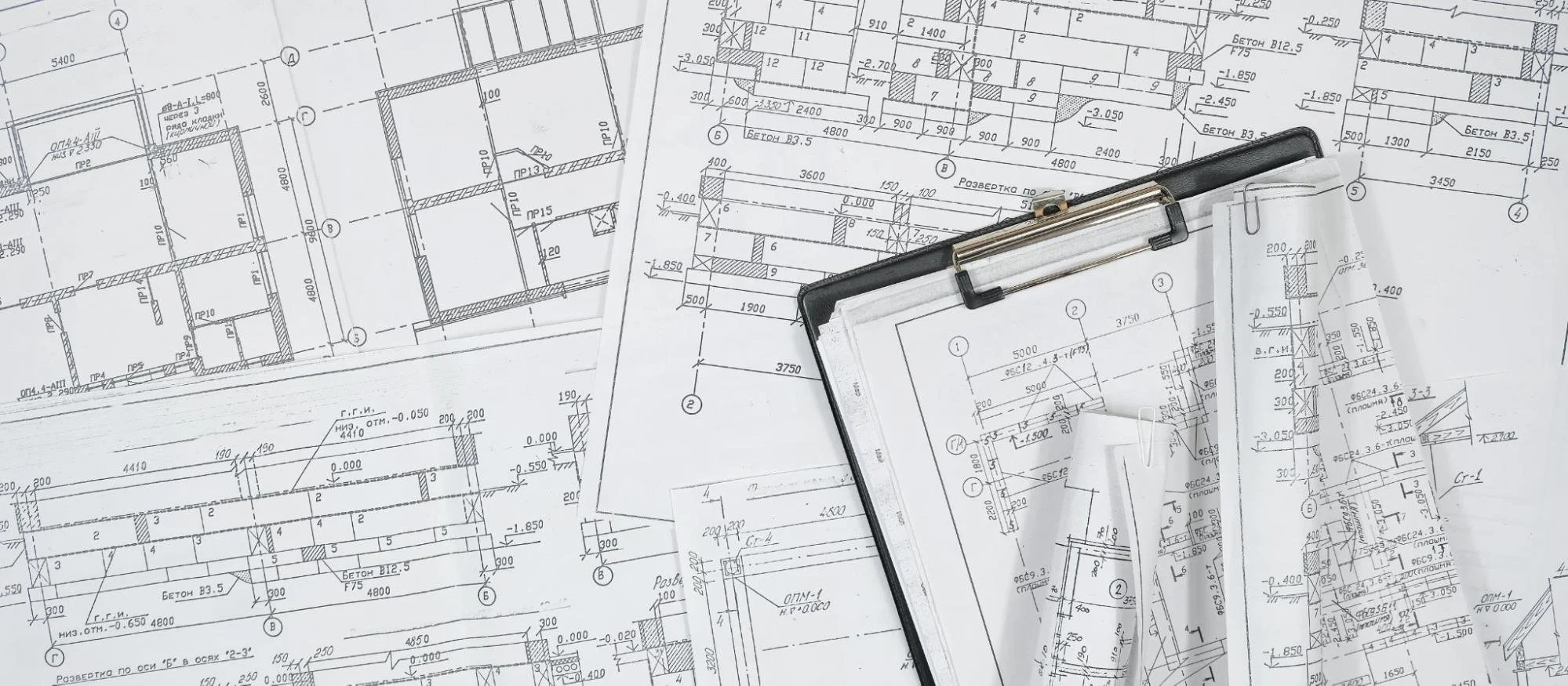
Original construction drawings display the design intent created before the building was constructed. These plans show how architects and engineers envisioned the structure, systems, and functional layout. They serve as a road map for early building phases but do not reflect later changes. Owners must understand that original drawings often represent ideas rather than final conditions.
What Design Intent Means in Practice
Design intent refers to the architect's planned configuration for the building, encompassing structural placement, system distribution, and functional layout. These drawings provide the initial direction for contractors, but rarely match the final built environment that results. Field crews make adjustments during construction based on space limits, equipment size, or safety requirements. These adjustments create differences that accumulate over time. Because of this, old drawings often lack the real details that owners now rely on. Understanding these limits helps owners use them wisely.
How Construction Plans Guide Project Teams
Construction plans serve as a guide for builders during the early stages of development. Crews use them to understand system placements and structural alignment across each floor. The plans define early boundaries that shape how systems connect and function. Teams coordinate their tasks by following these baseline directions. These documents provide a shared reference, which helps unify different trades. Their value lies in setting the foundation for initial work.
Gaps Commonly Found in Original Drawings
Original drawings do not show changes made during construction or after several occupancy cycles. Many shifts occur when field crews adjust routes or improve access during the installation process. Tenant improvements also alter building layouts over time. These updates may never return to the record set stored by property owners. As the years pass, the difference between the drawings and real conditions widens. Owners must account for these gaps when planning work.
As-Built Surveys vs. Original Drawings
As-built surveys show the actual space, while original drawings show the intended layout. These differences affect design, maintenance, and renovation decisions for commercial owners. Real data helps prevent conflicts that arise when teams rely on outdated information. Understanding both sets of documents supports stronger decision-making across entire project cycles.
Variation in Measurement Precision
Original drawings rely on early assumptions made before building conditions were known. As-built surveys capture precise information measured directly on-site, so the results reflect the actual layouts. These accurate measurements reduce confusion for teams who manage upgrades or repairs. Outdated assumptions slow work when crews must search for real locations. New surveys provide the clarity needed for modern design tools. Reliable measurements support predictable outcomes on active projects.
Updates and Change Tracking Over Time
As-built surveys include changes from renovations, tenant shifts, and system improvements. Original plans rarely document these adjustments, leaving owners with significant information gaps. When data is missing, crews must manually review the building, which slows progress. Verified survey data replaces guesswork with real-world reference points. Owners gain accurate tracking of modifications from past cycles. This clarity supports smooth planning for significant upgrades.
Impacts on Maintenance and Building Upgrades
Maintenance teams depend on accurate drawings to locate equipment and understand system paths. Older documents often conceal changes from past work, which can cause delays during repairs. Crews must explore spaces and trace systems manually when details are incorrect. This process increases labor time and adds cost during urgent tasks. Updated as-built surveys reduce confusion by showing the current layout. Maintenance teams deliver stronger results with reliable information.
Why Older Plans Fall Short for Modern Projects
Modern projects require accuracy that old drawings cannot provide. Legacy documents miss decades of changes, including new system routes, structural shifts, and tenant upgrades. These gaps create serious issues for architects and contractors working on current projects. New surveys replace outdated assumptions with verified details from the field. This shift improves design efficiency and reduces project risk. Owners avoid delays caused by mismatched records.
Differences in System Routes Across Real Conditions
System routes often change during construction due to obstacles, revised access needs, or equipment adjustments. As-built surveys capture these variations, while original plans show only the intended path. These differences matter when planning new mechanical or electrical upgrades. Crews need to know the absolute path to avoid conflicts during the installation process. Updated surveys offer the clarity necessary for accurate planning. The information also supports safer system work.
Shifts in Structure Over the Building's Life
Buildings experience movement due to settling and long-term load changes. These shifts alter measurements taken during the early design phase. Old drawings cannot reflect these gradual changes. As-built surveys capture fresh measurements that show the updated structural alignment. This information helps design teams improve field coordination. Owners gain a dependable base for renovation planning.
How As-Builts Improve Contractor Coordination
Contractors need real data to coordinate complex construction activities. As-built surveys provide consistent information, reducing mistakes in planning. When teams work from accurate data, schedules move faster and require fewer adjustments. This accuracy also reduces downtime for occupied buildings. Current surveys support efficient collaboration across disciplines. Owners gain smoother project execution.
Why Business Owners Need Reliable As-Built Surveys
Building owners rely on verified records to reduce project risks and improve planning accuracy. Updated data simplifies renovation work and avoids costly surprises. Real information also supports leasing, compliance, and long-term asset management. As-built surveys provide a solid foundation for informed decisions.
Support for Renovations and Capital Planning
Renovations require accurate site records to shape project scope and cost estimates. Old drawings mislead teams when layouts differ from current conditions. Verified surveys provide owners with the exact measurements necessary for informed planning. Design teams also work more efficiently when data aligns with the field of expertise. Projects start smoothly when owners have accurate records. Strong planning reduces conflict across each phase.
Reducing Conflicts and Cost Surprises
Incorrect drawings cause many delays during construction. When crews uncover unknown conditions, schedules change and costs rise. As-built surveys reveal the actual locations of systems, preventing these surprises. Precise data also reduces the need for field changes during installation. Owners enjoy fewer obstacles as work progresses. Accurate information supports better outcomes.
Documentation Needs for Leasing and Compliance
Tenants require accurate records showing space dimensions and layouts. Compliance agencies also request updated drawings during routine inspections or permit applications. As-built surveys supply precise data that satisfies these needs. Owners avoid delays during plan reviews or occupancy approvals. Updated documents support smoother operations for active buildings. Proper records also improve communication with tenants.
Better Insight for Long-Term Property Strategy
Owners shape long-term property goals using data from surveys. These records highlight limits that affect future upgrades or tenant expansions. Teams use the findings to assess how spaces can adapt. Updated drawings allow for stronger planning across multiple years. The information helps owners prioritize investments. Reliable records guide strategic decisions.
Support for Risk Reduction Across Building Cycles
Accurate surveys help owners avoid risks that emerge during construction or maintenance. Real data prevents structural conflicts, misaligned installations, and costly rework. Crews depend on these drawings to minimize guesswork inside tight spaces. Strong information protects budgets during heavy planning cycles. Owners benefit from steady project performance. Good records reduce exposure on complex sites.
How Professionals Conduct Detailed As-Built Surveys
Survey teams follow structured workflows to capture dependable results. They use accurate tools, clear methods, and trained technicians to document real conditions. Building owners gain precise files that support key project decisions. The process helps maintain quality across every step.
Tools and Hardware Used for Site Capture
Survey teams use scanners, laser devices, and measurement tools that capture thousands of points per second. These tools record detailed information across walls, ceilings, systems, and structural elements. Accurate technology reduces errors that come from manual measurements. Teams convert scanned data into drawings and models used by architects and designers. Owners gain detailed results they can rely on. Strong tools create consistent accuracy.
Technology That Improves Scan Precision
Modern scanning software refines captured data by removing noise from raw files. This method improves the clarity of building information used in design software. Engineers use these models to confirm structural and mechanical alignments. The clean data supports complex planning with fewer errors. Teams visualize spaces with improved accuracy. Owners receive highly reliable digital records.
Types of Files Delivered to Owners
Owners receive files in formats used by architects, engineers, and contractors. These include CAD drawings, 3D models, and detailed floor plans. Some firms also deliver point clouds that facilitate more in-depth analysis. These files help streamline planning across different project teams. Each format serves a unique purpose for future work. Owners gain flexible options suited to varied needs.
Quality Checks That Maintain Field Accuracy
Survey teams use structured checks to confirm that measurements align with field notes. They compare data sets to catch errors early in the process. This approach maintains consistency across large buildings with complex elements. Quality steps ensure that the final files accurately reflect real conditions. Owners receive accurate documents ready for project use. Strong checks protect performance.
Shape Better Outcomes With Trusted As-Built Surveys
Reliable building data provides owners with a clear path through complex property decisions, reducing friction during fast-paced projects. Verified records replace outdated assumptions with the truth that teams need to plan with confidence. Strong insight strengthens every step, from early strategy to high-demand construction phases. Work with a survey partner that delivers accuracy you can rely on and move forward with plans rooted in clarity and control.
If you want sharper project strategies backed by proven knowledge, the LNE Surveys blog offers focused content built for building owners like you.