
Viewing entries in
Surveying Services

Are Building Surveying Services Worth the Investment?

Are Building Surveying Services Worth the Investment?

Commercial buildings demand constant attention from owners and property managers. Small defects often grow into costly structural problems over time. Many owners delay inspections because upfront costs seem unnecessary at first. That decision often creates larger repair bills and unexpected business disruptions later. Professional property surveys help owners protect assets, reduce risks, and plan smarter maintenance.

Why Building Surveying Services Matter

Commercial property surveys identify structural risks before repairs become expensive and disruptive. These inspections carefully review roofing, drainage, foundations, and safety concerns. Surveyors also check compliance issues affecting insurance and future renovations. That inspection process gives owners reliable information for smarter property decisions.

Early Repairs Lower Long-Term Costs

Early inspections reduce repair costs by catching hidden damage quickly. Small leaks often gradually weaken walls, ceilings, and electrical systems. Structural cracks may spread more quickly after severe weather or heavy use. Professional surveyors detect these problems before major failures develop further. That preventive approach helps owners avoid sudden repair emergencies and revenue losses. Many commercial contractors conduct routine surveys to protect long-term property value.

Planned Maintenance Prevents Disruptions

Planned maintenance keeps commercial operations stable and easier to manage day-to-day. Broken systems often immediately disrupt staff productivity and customer experiences. Property assessments identify weak areas before systems fail unexpectedly. Owners can schedule repairs more effectively during slower business periods. That organized planning reduces downtime and avoids rushed contractor decisions. Maintenance budgets also become easier to forecast throughout the year.

Hidden Utility Problems Raise Operating Costs

Utility system issues often go unnoticed until energy bills increase unexpectedly. Faulty insulation and damaged drainage systems reduce building efficiency and indoor comfort. Small mechanical defects may also strain heating and cooling equipment daily. Professional inspections identify these hidden concerns before operating expenses rise further. That preventive action helps owners manage utility costs and reduce equipment breakdowns. Efficient systems also support better tenant satisfaction and smoother daily business operations.

Delayed Inspections Create Hidden Expenses

Postponed inspections often increase costs beyond visible structural repair expenses alone. Small maintenance issues may gradually disrupt tenant satisfaction and daily business operations. Hidden moisture damage can also significantly reduce indoor comfort and equipment performance. Professional inspections identify these concerns before operational losses grow further. That early action helps owners avoid emergency repairs and unexpected financial pressure later. Many commercial owners overlook these hidden expenses until problems directly affect revenue.

The Value Behind Building Surveys

Commercial property owners often hesitate before scheduling professional building inspections. Upfront survey costs may initially seem unnecessary during stable business operations. Hidden structural problems, however, often lead to higher costs and operational setbacks later. Professional property surveys help owners understand risks before maintenance costs escalate further.

Stronger Asset Value Over Time

Commercial real estate value depends heavily on structural condition and maintenance history. Buyers often carefully review inspection records before finalizing large commercial transactions. Unresolved defects usually reduce market appeal and quickly create negotiation challenges. That documentation helps owners support stronger valuations and future resale opportunities.

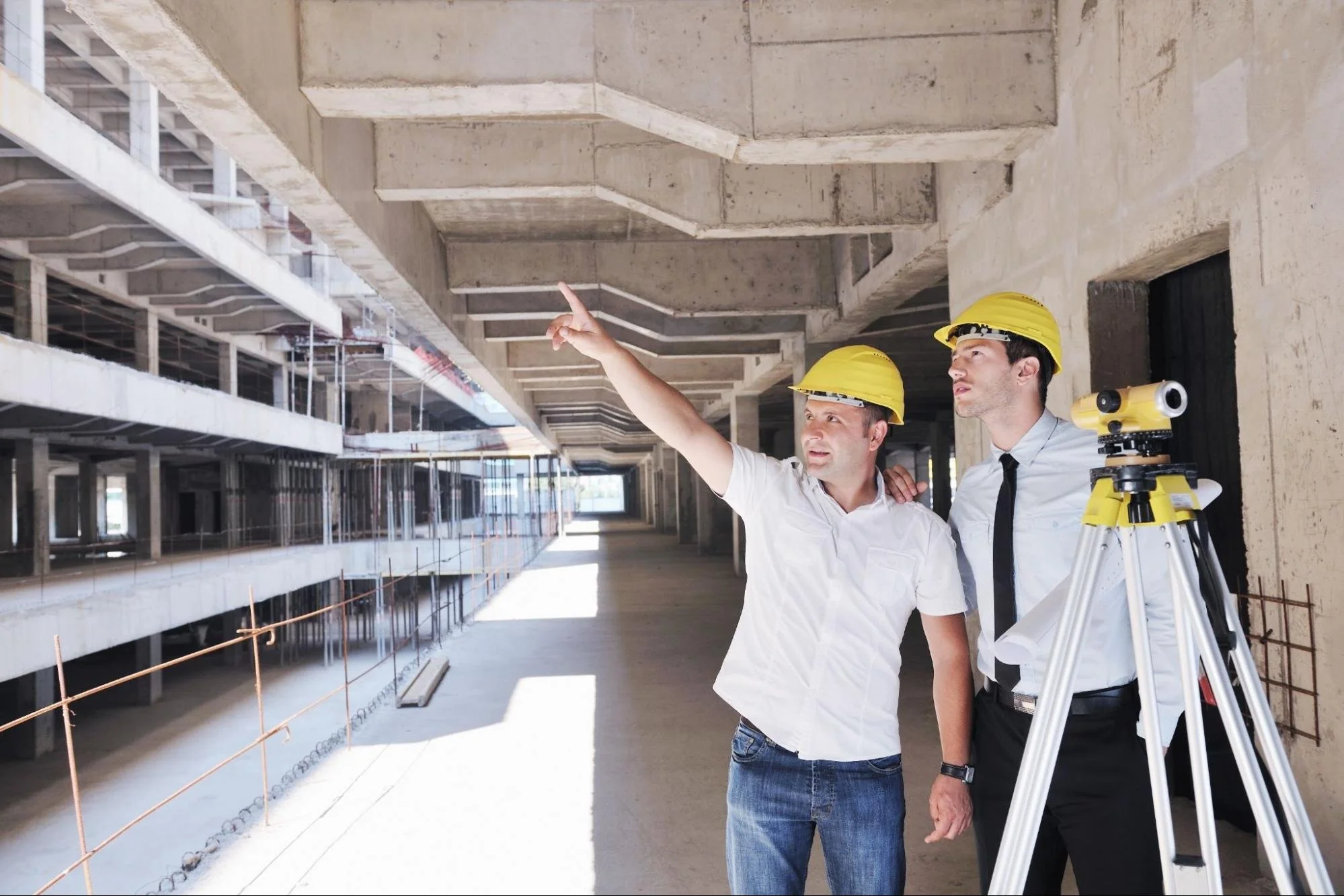
An engineer performing building surveying services at an industrial site using a leveling instrument for structural assessment

Inspection Records Support Faster Sales

Inspection records give buyers clearer insight into current structural and maintenance conditions. Hidden defects often delay negotiations and significantly reduce final selling prices. Professional assessments provide factual reports rather than uncertain property assumptions or estimates. That transparency builds trust between owners, lenders, investors, and commercial buyers. Financial institutions also review maintenance histories during financing and refinancing applications. Recent reports often support smoother approvals and stronger lending discussions overall.

Strong Documentation Helps Insurance Claims

Insurance providers carefully review maintenance records to assess the likelihood of expensive structural damage claims. Poor documentation often leads to disputes after storms, leaks, or system failures. Professional inspections consistently produce reliable records that support responsible facility management practices. That evidence may reduce delays in later stressful insurance claim investigations. Some providers also favor buildings with regular structural assessment schedules. Lower risks may support improved coverage options and reduced premium costs.

Safer Operations and Lower Liability Risks

Commercial safety standards continue to change across multiple industries and property sectors regularly. Older facilities often contain outdated systems, creating legal and operational concerns over time. Professional inspections identify hazards before accidents or compliance penalties affect business operations. That guidance helps owners maintain safer spaces for employees, visitors, and tenants.

Preventive Checks Improve Workplace Safety

Preventive inspections identify unsafe conditions before they seriously disrupt daily business operations. Damaged flooring and faulty wiring create major risks inside commercial properties. Employees often notice these issues before management recognizes larger structural concerns developing. Professional inspectors carefully evaluate safety hazards in accordance with current industry inspection standards. That detailed review supports faster repairs and safer workplace conditions overall. Many liability claims arise after maintenance issues are ignored, leading to preventable accidents.

Accessible Spaces Improve Public Confidence

Accessible facilities improve customer experiences and consistently support stronger business reputations in the long term. Uneven walkways and poor lighting frustrate visitors and quickly raise safety concerns. Modern accessibility standards also affect leasing opportunities and tenant satisfaction greatly today. Professional assessments effectively identify barriers limiting safe movement throughout commercial spaces. That review helps owners prioritize upgrades supporting better accessibility and visitor comfort. Businesses with accessible properties often attract broader interest from customers and tenants.

Smarter Planning for Renovation Projects

Pre-renovation assessments help owners avoid costly surprises during construction projects. Contractors need accurate structural information before demolition or renovation work begins safely. Older buildings often hide defects completely beneath walls, ceilings, and flooring systems. That technical insight supports better budgeting and smoother renovation scheduling throughout projects.

Structural Reviews Improve Project Coordination

Structural reviews significantly and consistently improve communication between contractors during renovation projects. Poor coordination often leads to delays, duplicate repairs, and unnecessary labor costs. Professional reports provide clear technical information for every project team involved. That shared guidance reduces confusion before demolition and installation work starts. Contractors can confidently prepare accurate timelines and material estimates much earlier. Faster planning helps businesses reduce operational disruptions during construction and repairs.

A surveyor positioning an optical level tool at a commercial site for structural assessment

Older Facilities Need Deeper Analysis

Older commercial properties often contain hidden deterioration and outdated construction materials throughout systems. Previous repairs may conceal moisture damage or weakened support structures underneath surfaces. Professional assessments provide deeper analysis than standard visual inspections alone. That evaluation helps owners clearly understand future repair priorities and structural limitations. Many preservation projects require specialized reviews before official renovation approvals move forward. Detailed reports also support smarter budgeting before major upgrade investments begin.

Tenant Retention Starts With Property Care

Commercial tenants expect reliable spaces that consistently support smooth daily business operations. Frequent maintenance issues often frustrate tenants and quickly damage long-term business relationships. Poor lighting, plumbing failures, and unstable temperatures may also directly affect employee productivity. Professional property inspections help owners address these concerns before tenant dissatisfaction increases further.

Reliable Conditions Build Tenant Confidence

Tenants notice building conditions long before owners recognize the development of larger structural problems. Persistent leaks and poor ventilation often create daily frustration in commercial workspaces. Those issues may also affect customer experiences and employee comfort over time. Professional inspections identify hidden concerns before they significantly disrupt tenant operations. That preventive maintenance approach supports stronger lease renewals and long-term occupancy stability. Commercial tenants often remain longer in properties with fewer operational disruptions overall.

Poor Maintenance Increases Vacancy Risks

Vacant commercial spaces often result from unresolved maintenance and safety concerns that gradually worsen. Tenants rarely renew leases after repeated repair delays and ongoing building disruptions. Structural problems may also quickly damage a property's reputation in competitive commercial markets. Professional inspections help owners respond more quickly before tenant complaints escalate publicly. That proactive approach consistently reduces turnover costs and supports stronger tenant relationships. Stable occupancy often significantly improves long-term property income and business performance.

Building Surveys and Emergency Planning

Commercial property surveys help owners prepare for unexpected emergencies and structural failures. Severe weather, fire damage, and utility outages often quickly expose hidden weaknesses in buildings. Professional inspections identify vulnerable systems before disasters interrupt daily business operations. That preventive planning helps owners reduce downtime, financial losses, and safety risks.

Structural Reviews Support Faster Recovery

Structural assessments help businesses recover faster after storms or unexpected building damage. Weak roofing systems and drainage failures often rapidly worsen emergency repair situations. Professional surveyors identify those risks before severe conditions create operational shutdowns. That preparation helps owners organize repairs and protect critical building systems early. Emergency contractors also work faster with accurate structural inspection records available. Faster recovery often significantly reduces revenue loss and tenant disruption.

Surveys Improve Emergency Safety Planning

Emergency planning depends heavily on accurate information about building conditions and safety systems. Damaged exits, unstable stairways, and faulty wiring can quickly create serious evacuation risks. Professional surveys identify those hazards before emergencies place occupants in danger. That guidance helps owners effectively improve evacuation routes and emergency response procedures. Many insurance providers also value properties with documented emergency preparedness efforts. Safer buildings often experience fewer liability issues during unexpected disaster situations.

Emergency Plans Need Accurate Building Data

Emergency response planning depends heavily on up-to-date information about the structural condition of buildings. Outdated records often slow recovery efforts during fires, floods, or severe storms. Professional inspections provide accurate details about exits, utility systems, and vulnerable areas. That information helps owners coordinate faster responses during emergencies later. First responders also benefit from reliable structural data during evacuation and rescue operations. Better preparation often significantly reduces injuries, downtime, and long-term repair expenses.

Protect Your Assets With Building Surveys

Commercial properties face constant pressure from aging systems and hidden structural damage. Small issues often grow quietly until repairs directly affect operations and tenant confidence. Professional building surveys help owners respond earlier, make clearer maintenance decisions, and reduce long-term costs. Owners who consistently inspect properties often avoid disruptions that later damage revenue, safety, and property value.

Read the LNE Surveys blog for straightforward advice supporting smarter property decisions and long-term building performance.

When Do You Need a Surveyor for a Commercial Renovation Project?

When Do You Need a Surveyor for a Commercial Renovation Project?

Renovating a commercial property requires more than choosing new designs or finishes. Business owners and managers face hidden risks, from structural damage to legal conflicts. Failing to address these risks can lead to costly mistakes that hinder progress. A surveyor helps identify problems early and provides solutions that keep projects on track.

Why a Surveyor Is Essential in Renovation Projects

A surveyor adds expertise that prevents oversights during renovation work. Their input keeps a project safe, compliant, and financially manageable. Property upgrades may face delays, disputes, or unexpected expenses. Business owners gain confidence knowing their renovation is guided by professional oversight.

Role of a Commercial Surveyor Explained

A commercial surveyor examines the property to assess risks and potential improvements. They review the condition of structures, verify compliance, and assist in planning practical upgrades. Their expertise spans construction, legal matters, and cost management. Additionally, they coordinate with engineers, architects, and contractors to ensure alignment of efforts. This role helps reduce misunderstandings and provides property owners with a clear roadmap.

Legal and Safety Safeguards from Surveyors

Surveyors protect owners from compliance failures that can trigger fines or legal action. Before renovation, they review building codes, zoning rules, and safety requirements. If risks are present, they highlight them with actionable solutions. Their guidance helps avoid future lawsuits or penalties that could delay operations. Safety and legality remain at the core of their work.

Surveyor Support to Prevent Costly Mistakes

Renovation projects often uncover hidden issues that impact budgets. A surveyor anticipates these risks and provides accurate assessments before work begins. Their reports help owners make informed decisions without rushing. With this foresight, unnecessary expenses and delays are avoided. Owners benefit from fewer surprises and stronger financial control.

Surveyor Involvement Before Renovation Begins

Surveyors provide the most value when engaged before construction starts. Their early input helps shape the design, scope, and budget with realistic expectations. Failing to address this stage often results in costly mid-project changes. Proper assessments provide a stronger foundation for decision-making.

Building Surveys and Property Assessments

Surveyors inspect roofs, walls, flooring, and utilities to identify weaknesses. These inspections identify risks such as water leaks, foundation cracks, or electrical issues. With this information, owners can prioritize essential repairs first. Skipping this step often results in repeated fixes during the construction process. A thorough building survey ensures safe and lasting renovations.

Boundary Checks and Site Restrictions

Surveyors confirm property lines to prevent disputes with neighbors or nearby businesses. They also identify restrictions that limit renovation or expansion work. By verifying these details, projects stay within legal limits from the start. Disputes over land usage are avoided before they escalate, and clear boundaries create smoother renovation progress.

Code Compliance and Planning Permissions

Surveyors review local building codes and zoning regulations before submitting plans. This step ensures that renovations meet legal standards and gain quick approvals. Their involvement reduces the risk of rejected permits or forced redesigns. Additionally, they liaise with planning authorities to streamline the approval process. Owners save time by avoiding bureaucratic setbacks.

Surveyor Oversight During Construction Work

A surveyor's role continues long after planning is complete. Their ongoing oversight ensures that construction remains aligned with approved designs and budgets. This involvement protects quality standards and ensures accountability. For owners, this oversight means fewer disruptions during the project.

Monitoring Progress and Quality Standards

Surveyors conduct routine inspections, while contractors undertake renovation work. They verify whether tasks meet the agreed-upon specifications and safety guidelines. If errors are found, they recommend immediate corrections to prevent larger issues. This vigilance reduces the risks of expensive rework later. Owners remain informed without the need for daily site visits.

Contracts, Payments, and Fair Agreements

Surveyors oversee contractor agreements and payment schedules for accuracy and fairness. They confirm that invoices match progress achieved on-site. This transparency prevents overcharging and protects financial control. Additionally, their reviews protect owners from hidden clauses or unfair terms. With a surveyor, financial disputes become far less likely.

Dispute Resolution and Team Coordination

Renovation projects often involve multiple contractors and specialists. Surveyors mediate disputes by offering expert evidence and impartial guidance. Their role helps avoid legal action or extended delays. They also maintain open communication between project stakeholders. Strong coordination ensures that work moves forward smoothly.

Different Types of Surveyors for Renovation Projects

Not every surveyor provides the same service. Commercial projects require surveyors with expertise tailored to the job. Selecting the correct type of professional helps avoid gaps in oversight. Specialized knowledge ensures the property receives comprehensive support.

Quantity Surveyors for Financial Management

Quantity surveyors focus on managing renovation budgets. They prepare cost estimates, track expenses, and suggest ways to stay efficient. Their monitoring prevents projects from exceeding financial limits, which for owners translates to greater confidence in investment outcomes. Cost predictability becomes a reliable part of planning.

Building Surveyors for Property Structure

Building surveyors assess the physical integrity of existing structures, identifying issues such as weakened beams or unstable foundations. Their advice informs safe renovation decisions and repair strategies. With their guidance, owners avoid unsafe conditions during upgrades. Structural stability supports long-term property durability.

Party Wall Surveyors for Shared Properties

Renovations often impact shared walls or property boundaries in commercial areas. Party wall surveyors draft agreements that protect both owners during renovations. These agreements reduce disputes over noise, damage, or property rights. Their role is instrumental in dense urban environments, where balanced agreements prevent projects from being delayed by legal conflict.

Signs You Need a Surveyor Immediately

Some warning signs indicate professional surveyor support is non-negotiable. Ignoring them risks larger financial, legal, or safety problems. Identifying these signs early saves time and stress later. Business owners benefit by acting before issues escalate.

Outdated or Conflicting Property Records

Surveyors review property titles, deeds, and site maps to confirm accuracy. Conflicting or missing records create uncertainty about ownership and boundaries. Their checks prevent future legal disputes that may delay work. Owners gain confidence knowing all records align with reality. Reliable documents provide a clear foundation for progress.

Complex Contracts or Large Project Costs

Commercial renovations often involve extensive budgets and multiple agreements. Surveyors review these documents to detect risks, hidden fees, or unfair terms. They also advise on realistic financial planning. Their oversight keeps owners from entering risky contracts. Complex projects need this added layer of financial protection.

Disputes With Contractors or Neighbors

Surveyors help mediate disputes when disagreements halt progress. They offer documented reports to support fair negotiations. Their neutrality ensures decisions remain balanced for all parties. With their involvement, renovation disputes are resolved faster. This role keeps projects from becoming stuck in conflict.

Long-Term Benefits of Hiring a Surveyor

The impact of a surveyor continues beyond a single renovation. Their reports and expertise create value that lasts for years. Owners gain more substantial assets, better resale opportunities, and reliable documentation. These advantages make surveyor involvement a long-term investment.

Safeguarding Property for Future Use

Surveyors highlight weaknesses that could cause issues later. Renovations can then address these risks before they grow costly. Owners avoid future safety hazards and hefty repair bills. This foresight creates more potent properties with long-lasting durability. Protection now reduces unexpected expenses later.

Adding Market Value and Appeal

Surveyor oversight improves property appeal for investors, buyers, and tenants. Verified survey reports give assurance that renovations meet high standards. This confidence increases both market demand and property value. Owners see stronger rental yields and resale potential. Market performance strengthens through documented trust.

Planning, Maintenance, and Future Projects

Surveyors provide detailed records of property conditions and upgrades. These documents simplify maintenance planning and guide future renovations by outlining past challenges and the solutions implemented. Owners benefit from having reliable data readily available, which in turn improves efficiency in property management.

Risks of Skipping Surveyor Services

Choosing to renovate without a surveyor's support is a gamble. Although the decision may save money initially, it often backfires. Projects without expert oversight face greater risks of failure, and the financial and legal consequences are far-reaching.

Unsafe Structures and Renovation Failures

Ignoring surveyor checks may leave structural flaws unnoticed. These flaws can cause accidents, injuries, or building closure. When safety is compromised, owners face heavy legal and financial costs. Surveyors identify weaknesses early to avoid these risks. Safe buildings support uninterrupted operations.

Legal Disputes Over Property and Boundaries

Unverified property lines often trigger disputes with neighbors or authorities, which may lead to costly lawsuits or halted projects. Surveyors confirm boundaries and property rights before work starts, eliminating doubt about rightful usage and protecting owners from lengthy legal battles.

Project Delays and Overspending Risks

Without surveyor planning, projects encounter unexpected costs and delays. Issues discovered mid-construction push budgets far beyond forecasts. Surveyors help predict and mitigate these obstacles. This planning avoids sudden strain on finances or schedules. Owners enjoy smoother renovations without disruption.

Choosing the Right Surveyor for Renovation Work

The right surveyor is a trusted partner in renovation projects. Selecting one requires careful evaluation of expertise, reputation, and communication style. Owners should not rush this decision since it shapes project success. Finding the right fit ensures confidence in outcomes.

Checking Surveyor Credentials and Licensing

Professional credentials confirm a surveyor's qualifications and standards. Owners should verify memberships with recognized industry bodies. Licensed surveyors also provide accountability under legal frameworks. These checks reduce the risk of hiring underqualified individuals. Credentials add credibility and trust to the process.

Evaluating Experience in Commercial Renovations

Surveyors with commercial renovation backgrounds bring tested knowledge. They understand the unique challenges faced by businesses upgrading properties. Their solutions are tailored to commercial needs rather than residential norms. This relevance speeds up problem-solving and planning. Experience adds reliability to a surveyor's advice.

Communication and Transparent Pricing

Surveyor relationships thrive on clear communication and open fees. Owners should expect regular updates and accessible explanations. Pricing must also be straightforward without hidden costs. This clarity builds mutual trust between the surveyor and the client. Transparency keeps projects free from financial surprises.

Trust a Surveyor to Guide Your Renovation

Renovating a commercial property is a decision that shapes your business's future. A surveyor provides the expertise to protect you from hidden risks and wasted costs. Their guidance gives you a clear path grounded in facts instead of guesswork. Trusting a surveyor means your renovation moves with confidence, efficiency, and long-term value built into every step.


Turn complex renovation questions into confident decisions. Visit the LNE Surveys blog for fresh perspectives and professional surveyor insights.