
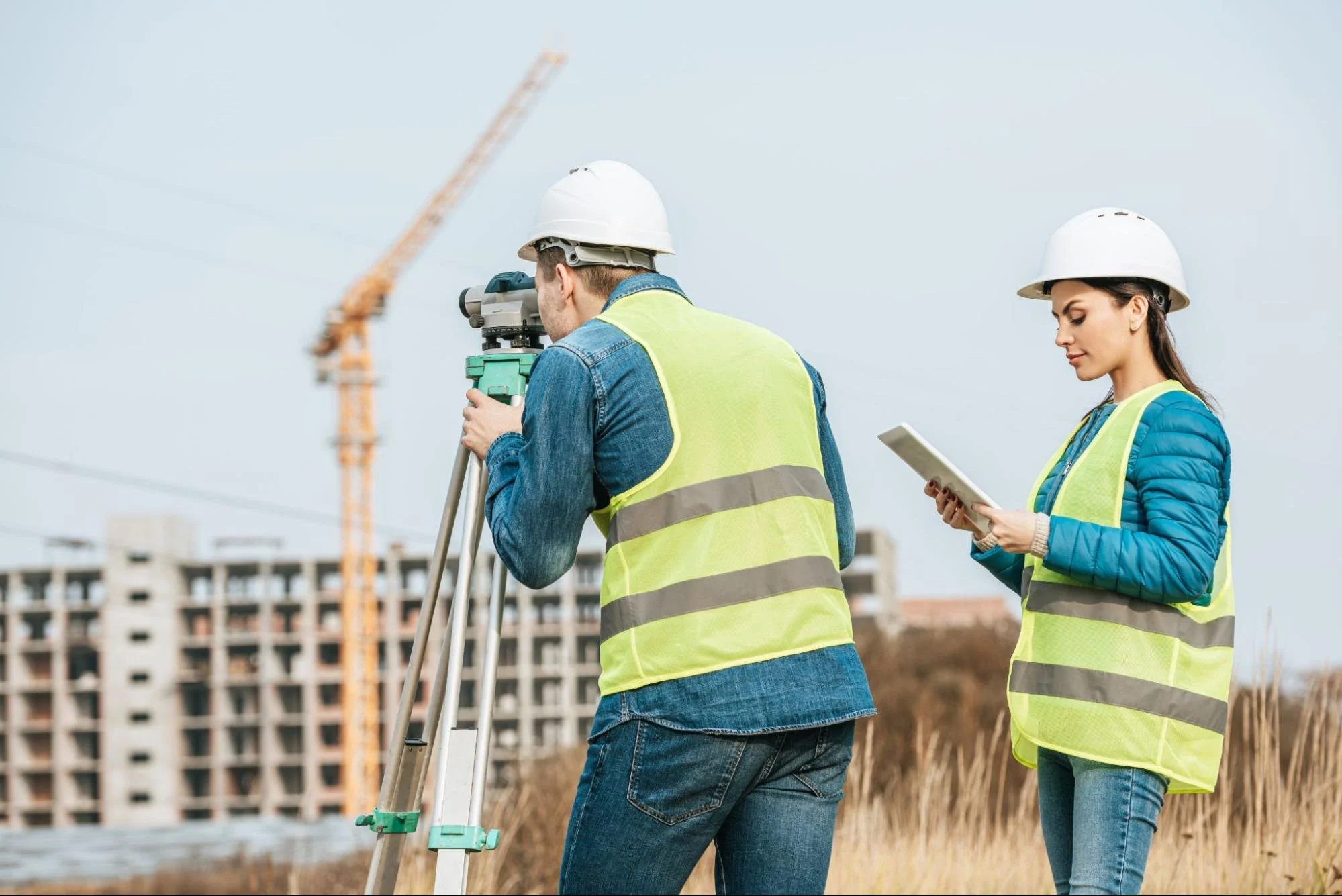
Building survey costs typically range from several hundred dollars for basic projects to several thousand dollars for large or complex commercial properties. The final price depends on several factors. Some projects require straightforward boundary verification, while others involve detailed topographic mapping or construction support. Because no two properties are identical, obtaining a customized quote remains the most accurate way to estimate survey expenses.
Why Businesses Invest in Building Surveys
Commercial properties often involve significant financial and operational commitments. Business owners, developers, and investors rely on accurate property information before making decisions. A building survey provides measurements, site data, and documentation that support project planning. This information helps reduce uncertainty while improving confidence throughout the property lifecycle.
Supporting Commercial Property Purchases
Purchasing commercial property requires more than reviewing contracts and financial records. Businesses also need a clear understanding of the property's physical characteristics and legal boundaries. A commercial property survey verifies site dimensions and identifies potential issues before a transaction closes. This information can reveal encroachments, boundary concerns, or site limitations that affect plans. As a result, businesses can negotiate from a stronger position and avoid costly surprises after acquisition.
Reducing Development Risks
Development projects depend on accurate information from the earliest planning stages. Survey data helps architects, engineers, and contractors understand existing site conditions before work begins. Property boundaries, structures, utilities, and terrain features become easier to evaluate through professional surveying services. This detailed information supports design accuracy and project coordination. Consequently, businesses can reduce delays, rework, and budget overruns during construction.
What is the Average Cost of a Building Survey?
Survey pricing varies considerably because each project involves different requirements. A small site assessment may require minimal fieldwork, while a large commercial development demands extensive data collection. Understanding typical cost ranges helps businesses establish realistic expectations before requesting proposals.
Typical Costs for Smaller Properties
Smaller commercial properties generally require less fieldwork and documentation, which often results in lower survey costs. Businesses may pay anywhere from $500 to $2,500 for basic surveying services, depending on the property's size, location, and requirements. A simple boundary survey may fall toward the lower end of the range, while projects requiring additional measurements or reporting may cost more. Existing records can also influence pricing because surveyors may spend less time verifying information. Actual costs can vary significantly based on project conditions and the survey provider.
Typical Costs for Large Projects
Larger commercial developments often require more extensive data collection, analysis, and reporting. Businesses may spend $2,500 to $10,000 or more for complex surveying projects involving large sites or multiple structures. Topographic surveys, construction surveys, and development-related services typically increase overall costs because they require additional expertise and fieldwork. Advanced technologies such as drones or LiDAR may also affect pricing depending on project requirements. Every property presents unique conditions that can influence the final survey fee.

Survey Cost by Service Type
Different surveying services come with different pricing structures. A boundary survey may cost $500 to $3,000, while a topographic survey often ranges from $1,000 to $7,500 or more, depending on site size and complexity. Construction staking and as-built surveys can range from $1,500 to $10,000+ for larger commercial developments. Projects that combine multiple surveying services typically require customized pricing. These ranges may vary based on local conditions, project scope, and surveyor requirements. Requesting a detailed proposal remains the best way to obtain accurate pricing.
Factors That Affect Survey Costs
While site dimensions influence costs, several other factors affect the amount of work required. Surveyors evaluate project requirements before preparing estimates. Understanding these variables helps businesses anticipate potential expenses more accurately.
Property Size and Complexity
Larger properties require more measurements, calculations, and documentation. Surveyors must cover greater distances while collecting accurate field data. Properties with irregular boundaries often require additional verification and analysis. Multiple structures, easements, or site improvements can also increase project complexity. As the scope expands, labor and processing requirements generally increase as well.
Site Conditions and Accessibility
Site conditions directly influence the efficiency of survey work. Open and accessible properties typically allow surveyors to gather data more quickly. Dense vegetation, restricted access, active construction zones, or challenging terrain may slow field operations. Additional safety measures or coordination efforts can also affect timelines. These factors often contribute to higher project costs.
Existing Property Records
Available documentation can significantly affect survey efficiency. Accurate records provide valuable reference points during the surveying process. Missing, outdated, or inconsistent information often requires additional research and verification. Older properties may present documentation challenges that extend project timelines. Consequently, the amount of available information can influence overall survey pricing.
Different Types of Building Surveys
Businesses request surveys for various reasons, and each project requires a different approach. Some surveys focus on legal boundaries, while others support engineering or construction activities. The type of survey selected influences the level of detail required, which also affects the overall cost and project timeline.
Boundary Surveys
Boundary surveys establish and verify property lines. Businesses often request this service before purchasing, developing, or dividing land. Surveyors compare historical records with field measurements to confirm legal boundaries. Accurate boundary information helps prevent ownership disputes and development conflicts. These surveys often form the foundation for future property planning.

Topographic Surveys
Topographic surveys document elevation changes and physical site features. Engineers and designers use this information when preparing development plans. Surveyors collect data on terrain, structures, utilities, drainage patterns, and other relevant elements. This information supports more accurate site design and construction planning. Projects involving significant land development often require topographic surveys before moving forward.
Construction and As-Built Surveys
Construction surveys help contractors position structures according to approved plans. Surveyors establish control points and reference markers that guide project layout. After construction, as-built surveys document completed improvements and verify their locations. These records help confirm compliance with project specifications and regulatory requirements. Businesses often rely on these surveys to support project closeout and future property management.
Technology's Impact on Survey Pricing
Modern surveying technology has changed how professionals collect and process data. Advanced tools improve efficiency while delivering highly accurate results. These innovations often reduce project timelines and improve reporting quality. However, the use of specialized equipment can also influence pricing.
GPS and Digital Survey Equipment
Modern GPS systems provide precise measurements with greater efficiency than traditional methods. Digital equipment helps surveyors collect, process, and verify information more accurately. Improved workflows reduce manual calculations and minimize errors. Businesses benefit from faster project completion and more reliable data. Equipment investments may affect pricing, but they often improve overall value.
Drone and LiDAR Surveys
Drone technology allows surveyors to capture site information across large areas quickly. This approach proves especially useful for complex or difficult-to-access properties. LiDAR systems generate highly detailed surface measurements and digital models. These technologies support development planning, site assessments, and large-scale commercial projects. Although advanced methods may increase upfront costs, they often provide greater efficiency and deeper insights.
When Do Businesses Need a Building Survey
Surveying services support a wide range of commercial property activities. Many businesses request surveys only when required, but earlier planning often produces better outcomes. Accurate site information can prevent costly issues before they emerge. Understanding common use cases helps businesses determine when a survey may be beneficial.
Before Acquiring Commercial Property
Property purchases involve substantial financial commitments. A survey helps verify boundaries, site conditions, and potential limitations before a transaction closes. This information provides greater clarity during due diligence. Businesses gain a more complete understanding of the property's opportunities and constraints. Early identification of issues can support better purchasing decisions.
Before Renovation or Expansion
Building additions and renovations require accurate property information. Survey data helps determine available space and identifies potential development restrictions. Existing site features become easier to evaluate during planning. Architects and engineers can create designs based on reliable information. Consequently, projects often proceed with fewer complications and design revisions.
Before New Construction
New construction projects require detailed site assessment data from the beginning. Surveyors provide measurements that guide planning, permitting, and design activities. Accurate information supports coordination among project stakeholders. Site constraints become easier to address before construction starts. This proactive approach helps reduce delays and budget concerns later.
Common Questions About Building Survey Costs
Many businesses share similar concerns when planning surveying projects. Understanding common questions can simplify the decision-making process. Survey costs often become easier to evaluate when expectations are clear. These answers address some of the most frequent concerns.
How Long Does a Building Survey Take?
Project timelines depend on property size, complexity, and survey type. Small commercial surveys may require only a few days from fieldwork to final deliverables. Larger developments often involve additional data collection and analysis. Site conditions and weather can also affect schedules. Surveyors typically provide estimated timelines during the proposal process.
Can Survey Costs Change After a Quote?
Most surveyors prepare estimates based on available project information. However, unexpected site conditions or previously unknown challenges may affect the final scope. Additional work sometimes becomes necessary once field activities begin. Clear communication helps reduce the likelihood of pricing changes. Businesses should discuss potential contingencies before approving a project.
Is a Building Survey Worth the Investment?
Survey costs are often modest compared to the expenses associated with property disputes or construction errors. Accurate data supports better planning and decision-making throughout a project's lifecycle. Businesses gain valuable insights that help reduce risks and improve project coordination. Survey information often prevents costly mistakes before they occur. For many organizations, the long-term value exceeds the initial investment.
What Should Businesses Provide for a Quote?
Surveyors typically request property documents, site information, and project objectives. Existing records help them understand the property's history and conditions. Clear goals allow surveyors to recommend the most appropriate services. This preparation improves the accuracy of estimates and project planning. Businesses often receive more reliable proposals when they provide detailed information upfront.
Request a Building Survey Before Costs Rise
Property-related decisions become more expensive when important information is missing. A professional building survey provides the data businesses need to evaluate risks, support development plans, and make confident investments. Survey costs vary based on project requirements, yet the expense often remains small compared to the financial consequences of inaccurate property information. Businesses that act early can identify issues before they disrupt schedules, budgets, or future opportunities. Speaking with a qualified surveyor today can provide the clarity needed to move forward with confidence and avoid costly surprises later.
Every successful project begins with a clear understanding of the site. Explore the LNE Surveys blog for helpful resources that support smarter planning and development.