
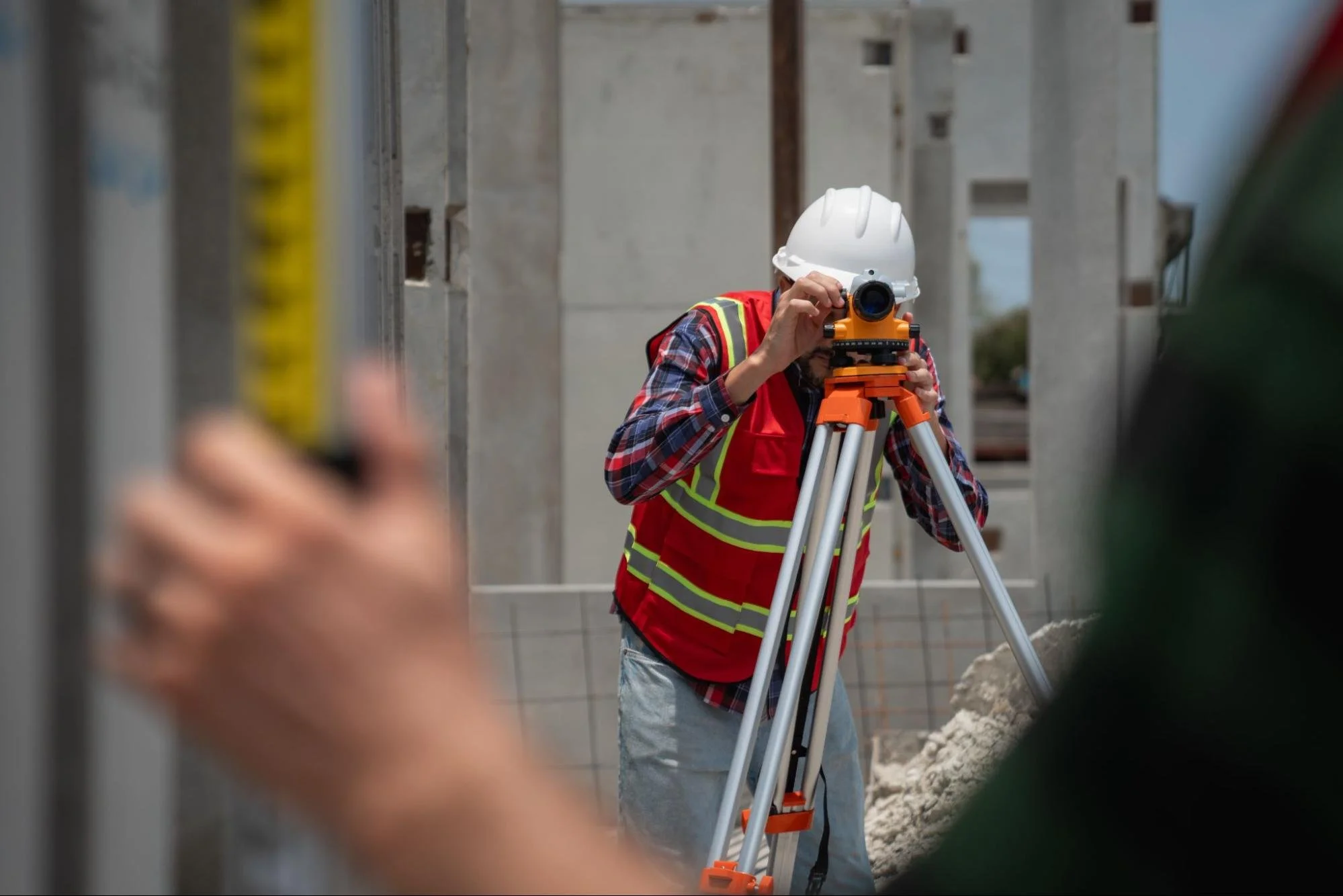
Building owners and operators make daily decisions that depend on the condition of their properties. Commercial buildings often appear dependable while concealing issues that affect cost, safety, and continuity. Choices made without technical clarity can introduce repair obligations, compliance gaps, and operational disruption. Property risk rarely becomes visible at the right moment, especially in complex commercial environments. Reliable, inspection-based insights provide confidence in decisions that carry long-term consequences.
Building Surveying in Commercial Property
Building surveying is a professional evaluation of a building’s physical condition, construction quality, and performance over time. This assessment focuses on factors affecting safety, durability, compliance, and usability rather than market appeal. Business owners use building surveying to understand what they are responsible for maintaining, repairing, or replacing. The discipline combines site inspection with technical analysis to produce clear, decision-focused advice.
What Building Surveying Covers in Practice
Building surveying systematically examines the visible and accessible parts of a property. Surveyors assess structural elements, exterior fabric, interior finishes, and construction details that affect performance. They identify defects such as cracking, moisture ingress, material failure, or poor craftsmanship. Each issue is assessed based on cause, progression, and potential impact. Surveyors explain how defects affect operations, safety, or future costs. The outcome is a clear picture of property condition rather than an abstract technical report.
How Building Surveying Differs From Valuation
Building surveying and valuation serve different commercial purposes. Valuation estimates financial worth based on market evidence and income potential. Building surveying focuses on physical condition and future performance risk. Surveyors identify issues that may not immediately affect price but can influence ownership costs. This technical insight supports negotiation and planning beyond headline value. Business owners benefit when condition and price are assessed separately and clearly.
Why Commercial Buildings Need Targeted Surveys
Commercial buildings face heavier usage demands than residential properties. Higher occupancy levels place greater stress on structure, finishes, and services. Building surveying considers how use patterns affect wear and deterioration. Surveyors also assess how design and construction choices influence maintenance needs. This commercial focus reflects the reality of business operations. Reports address performance risks rather than cosmetic concerns.
Why Business Owners Use Building Surveying
Building surveying helps business owners reduce uncertainty in property decisions. This clarity supports planning across acquisition, leasing, and ongoing management. Reliable insight allows businesses to anticipate costs rather than respond to problems under pressure. Survey findings connect physical condition to financial and operational consequences.
Managing Financial Risk Through Property Insight
Unexpected building repairs often disrupt budgets and forecasts. Building surveying identifies issues before contracts are signed or obligations arise. Surveyors estimate repair and maintenance costs based on observed conditions. These projections help businesses plan expenditure realistically. Insight from surveys strengthens negotiation positions. Financial exposure becomes visible rather than assumed.
Meeting Legal and Compliance Responsibilities
Commercial properties must meet health, safety, and regulatory standards. Building surveying highlights areas where compliance may be lacking. Surveyors identify risks related to fire safety, accessibility, and structural stability. A clear explanation allows businesses to plan remedial work. This proactive approach reduces exposure to enforcement action. Compliance becomes manageable rather than disruptive.
Supporting Broader Risk Management Decisions
Property risk includes both visible defects and hidden vulnerabilities. Building surveying assesses the likelihood and impact of these risks in combination. Surveyors prioritise issues based on severity and consequence. This structured assessment supports informed risk management. Businesses gain defensible reasoning behind decisions. Risk planning becomes evidence-based.

How the Building Surveying Process Works
Building surveying follows a structured professional process from instruction to reporting. Each stage builds on defined objectives linked to business needs. A clear scope improves the relevance and usefulness of findings. The process relies on inspection, analysis, and communication.
Defining Survey Scope and Objectives
Surveyors begin by clarifying how the findings will be used. This discussion shapes inspection depth and focus areas: property type, age, and usage influence assessment priorities. Clear scope avoids unnecessary detail and omissions. Business objectives remain central throughout the process. Expectations stay aligned from start to finish.
Conducting the On-Site Inspection
The on-site inspection forms the foundation of the survey. Surveyors visually examine accessible areas of the property. They record defects affecting structure, fabric, and finishes. Internal spaces receive attention where access allows. Observations reflect conditions present at the time of inspection. Any limitations are clearly stated.
Assessing Materials and Construction Quality
Surveyors consider how materials perform under existing conditions. Construction methods often explain recurring defects. Environmental exposure influences deterioration patterns. Surveyors analyse these factors together. This assessment explains why issues occur. Business owners gain understanding rather than isolated observations.
Reporting Findings for Commercial Decisions
Survey reports translate technical findings into practical insight. Surveyors prioritise issues based on urgency and risk. Recommendations consider cost, feasibility, and business impact. Language remains clear and direct. Reports support planning rather than confusion. Decision-making becomes more confident.
Types of Building Surveys for Businesses
Different commercial situations require different survey approaches. Building surveying adapts to the transaction stage and the property purpose. Each survey type addresses specific business risks. Selecting the right survey improves relevance and value.
Pre-Purchase Building Surveys
Pre-purchase surveys assess the condition of the asset before acquisition. Surveyors identify defects that affect investment decisions. Findings influence pricing and contractual terms. Business owners understand repair liabilities early. This knowledge reduces post-completion surprises. Investment decisions become more controlled.
Pre-Lease and Tenant Surveys
Leasing creates repairing and maintenance responsibilities. Building surveying records the condition at lease commencement. Surveyors document existing defects clearly. This record protects tenants from inherited issues. Landlords benefit from agreed baselines. Disputes are reduced through clarity.
Condition Surveys and Maintenance Planning
Condition surveys assess property condition at a specific point in time. Surveyors categorise defects by urgency and impact. This structure supports maintenance planning. Businesses forecast expenditure more accurately. Reactive repairs reduce over time. Assets remain predictable.
Dilapidations and Lease Exit Surveys
Lease exits often trigger financial disagreement. Building surveying assesses compliance with lease obligations. Surveyors quantify required repairs or reinstatement. Reports support negotiation between parties. Businesses avoid inflated claims. Documentation strengthens legal positions.

Strategic Value of Building Surveying
Building surveying supports business strategy beyond technical inspection. Property insight influences growth, credibility, and stability. Informed decisions reduce uncertainty across portfolios. Surveying aligns property performance with business goals.
Supporting Investment and Expansion Decisions
Expansion introduces unfamiliar property risk. Building surveying evaluates suitability for intended use. Surveyors assess adaptability and upgrade requirements. Businesses avoid properties that limit operations. Growth decisions rely on evidence. Risk becomes measurable.
Strengthening Stakeholder Confidence
Investors and lenders expect disciplined asset oversight. Building surveying demonstrates responsible property management. Reports provide transparency around condition and cost. Confidence improves through clear documentation. Trust strengthens financial relationships. Credibility supports long-term planning.
Building Surveying and Insurance Exposure
Building surveying directly affects how insurers assess risk, even when that link remains unspoken. Commercial insurance decisions rely on accurate knowledge of building condition and construction. Gaps in property understanding can influence premiums, exclusions, and claim outcomes. Surveying provides documented evidence that supports credible risk profiles.
How Survey Findings Shape Insurance Decisions
Insurers assess buildings based on construction type, condition, and maintenance history. Building surveying supplies verified information about these factors. Survey reports clarify structural integrity, material performance, and defect progression. This clarity helps insurers accurately classify risk. Without recent surveys, insurers may assume worst-case scenarios. That assumption often leads to higher premiums or restrictive coverage.
Surveying and Claim Credibility
Insurance claims rely on evidence of prior condition. Building surveying establishes a documented baseline before damage occurs. Survey reports help distinguish sudden damage from long-term deterioration. This distinction matters during claim assessment. Businesses with current surveys face fewer disputes. Claims progress with greater confidence and transparency.
Using Survey Insight to Define Repair Obligations
Lease terms often assign repair responsibilities broadly, creating uncertainty about liability. Building surveying clarifies the property condition at the point of agreement. Surveyors document defects, deterioration, and maintenance backlogs. This clarity supports fair allocation of repair duties. Tenants avoid responsibility for pre-existing issues. Landlords gain transparency around future obligations.
The Compounding Cost of Delayed Building Surveying
Delaying building surveying increases risk over time. Building defects rarely remain static in commercial environments. Small issues often escalate when left unidentified. Survey timing affects cost control and planning flexibility.
How Minor Defects Become Larger Liabilities
Early-stage defects often progress quietly. Moisture ingress, movement, and material fatigue worsen with use. Building surveying identifies these trends before escalation. Delayed insight allows damage to spread. The repair scope expands as access becomes more complex. Costs rise alongside disruption.
Planning Constraints Caused by Late Surveys
Late surveys limit response options. Businesses lose flexibility to plan phased repairs. Urgent work disrupts operations and budgets. Negotiation leverage reduces once issues surface publicly. Building surveying works best when aligned with planning cycles. Timing influences outcomes as much as findings.
How Minor Defects Grow Into Larger Liabilities
Building defects often begin subtly and progress with use. Moisture ingress, movement, and material fatigue worsen over time. Building surveying identifies these patterns early. Delayed assessment allows damage to spread. Repair scope expands alongside disruption. Costs increase as intervention becomes complex.
Building Surveying for Business Protection
Property risk changes as buildings age and usage evolves. Building surveying supports continuous oversight. Regular assessment prevents escalation of manageable issues. Protection comes from informed planning.
Preventing Operational Disruption Through Insight
Defects often develop gradually. Building surveying identifies these trends. Planned intervention reduces downtime. Operations remain stable. Safety improves for occupants. Business continuity strengthens.
Integrating Surveys Into Asset Management
Survey data support structured asset planning. Decisions rely on evidence rather than assumptions. Maintenance aligns with operational priorities. Capital planning becomes predictable. Property performance supports business goals. Oversight remains consistent.
Reinforce Decisions With Building Surveying Insight
Commercial property choices shape cost control, operational continuity, and long-term business resilience. Waiting for visible problems often limits options and increases exposure across contracts, compliance, and budgeting. Decisions grounded in inspection-based evidence carry more weight with stakeholders and reduce avoidable surprises. Businesses that rely on clear property insight position themselves to plan with confidence rather than react under pressure. Building surveying supports that shift by replacing assumptions with informed judgment when choices matter most.
Explore deeper perspectives on building surveying and property strategy by visiting the LNE Surveys blog for practical, business-focused insight.