
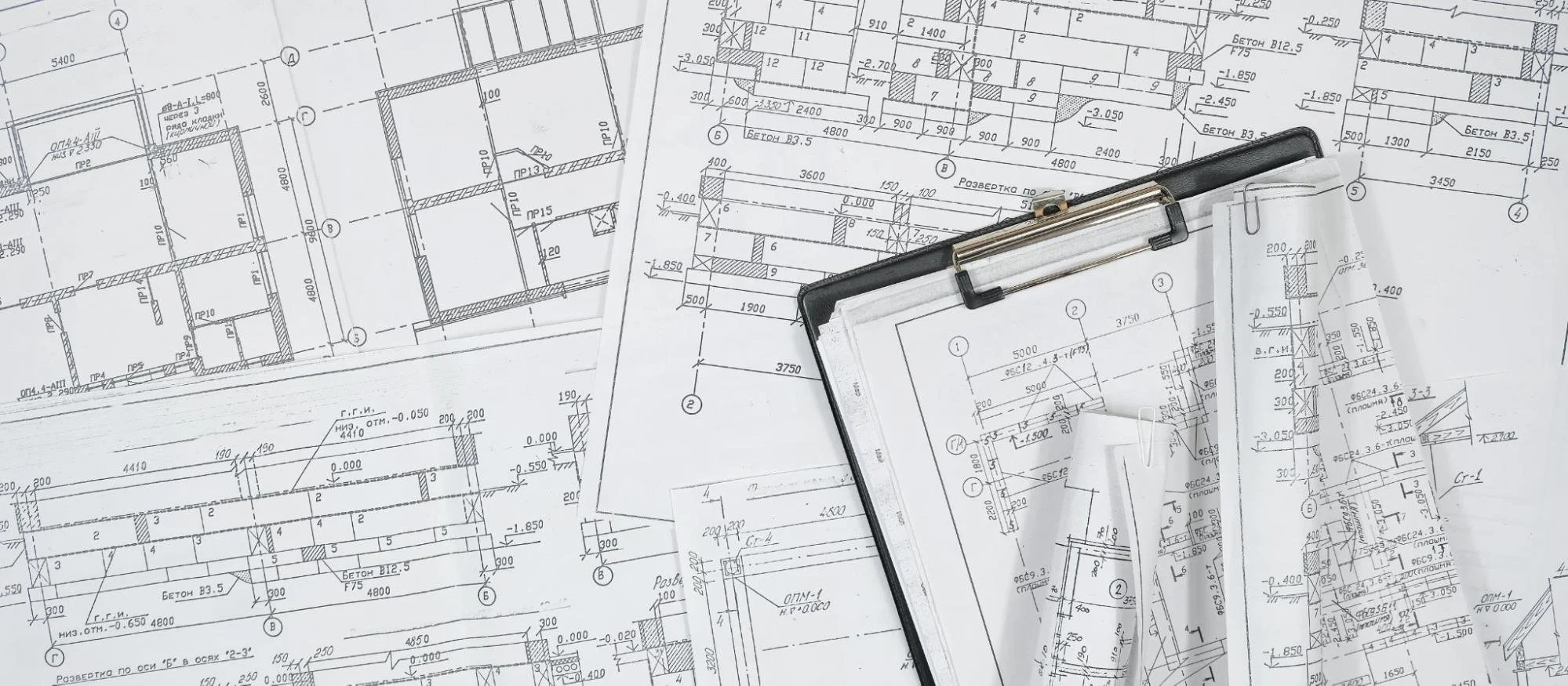
Construction projects often change as work progresses. Site conditions, design revisions, and installation challenges can all lead to adjustments that differ from the original plans. Those changes may seem minor during construction, but they become important when managing the property later. Property owners, developers, engineers, and facility managers need accurate records of what was actually built. An as-built survey provides that documentation and supports better decisions long after construction is complete.
What is an As-Built Survey and Why is it Needed?
An as-built survey documents the final location, dimensions, and layout of completed construction work. Unlike design drawings, it reflects actual site conditions after installation rather than planned conditions before construction. These records help project stakeholders understand how a site was ultimately built. Accurate documentation also supports future maintenance, renovations, compliance reviews, and operational planning.
How As-Built Surveys Differ From Design Plans
Design plans specify how a project is intended to be constructed, but field conditions often require modifications. Contractors may relocate utilities, adjust grading, or revise certain features to address practical challenges during installation. An as-built survey captures those changes through verified field measurements. This record shows the difference between the original design and the completed project. Engineers and architects often rely on this information when planning future improvements. Property owners also gain a clear understanding of existing site conditions.
What Information Does an As-Built Survey Include
The contents of an as-built survey vary based on project scope and documentation requirements. Most surveys include buildings, utilities, drainage systems, site improvements, and other important infrastructure components. Surveyors record dimensions, elevations, and precise horizontal and vertical locations using field measurements. Utility systems, paved areas, retaining walls, and access roads may also appear in the final documentation. Every recorded detail reflects actual site conditions at the time of the survey. The completed record provides a reliable reference for future construction and property management activities.
What Are the Requirements for an As-Built Survey?
Every project has unique documentation needs that influence survey requirements. Project owners typically establish those requirements before fieldwork begins. The scope may define which features must be measured, how information should be presented, and what level of accuracy is required. Despite these differences, every as-built survey aims to provide a complete and accurate representation of completed work.
Measurements and Site Features
Construction projects contain numerous features that require verification after installation. Buildings, utilities, sidewalks, parking areas, drainage systems, and other improvements commonly appear within survey documentation. Developers and construction managers may request additional details for critical infrastructure or specialized facilities. Surveyors identify and measure these features according to project specifications. Thorough documentation helps confirm that completed work aligns with project requirements. Accurate records also reduce uncertainty when future site modifications become necessary.
Accuracy Standards and Documentation Needs
Accuracy requirements help establish confidence in survey results. Project specifications often define measurement tolerances that surveyors must meet during data collection and processing. Modern equipment allows field crews to gather highly precise information across complex sites. Quality control procedures help verify measurements before final deliverables are prepared. This review process reduces the likelihood of errors or inconsistencies. Reliable documentation gives project stakeholders greater confidence in the completed records.
Compliance and Permit Closeout
Many projects require documented verification before final approvals can be granted. Regulatory agencies, utility providers, and project owners often request survey records during project closeout. Accurate documentation helps demonstrate that completed work matches approved requirements or properly records any approved changes. These records can also support inspections and project handovers. Early planning helps prevent delays during final reviews. Complete documentation often contributes to a smoother closeout process.
How the As-Built Survey Process Works
Producing accurate documentation requires a structured approach from start to finish. Surveyors collect field measurements, process the data, and verify the results before preparing final deliverables. Each step contributes to the quality and reliability of the completed survey. A consistent workflow helps create records that remain valuable throughout the property's life.
Conducting Field Measurements
Fieldwork begins once construction reaches a stage suitable for documentation. Survey crews visit the site and collect measurements using specialized equipment designed for precision. They record locations, dimensions, elevations, and infrastructure details based on project requirements. Surveyors also verify modifications that may not appear in the original design documents. Careful data collection helps create a complete picture of existing conditions. Strong field measurements provide the foundation for accurate final records.
Processing and Verifying Survey Data
After field collection is complete, surveyors organize and analyze the recorded information. Measurements undergo review to confirm accuracy, consistency, and completeness. Any discrepancies are investigated before final documentation is prepared. Survey professionals compare collected data against project requirements and available construction records. Quality assurance procedures help maintain accuracy throughout the process. Verified information results in more dependable deliverables for project stakeholders.
Technology Used for Site Documentation
Modern as-built surveys rely on technology that improves both efficiency and accuracy. Surveyors use GPS equipment, robotic total stations, and digital data collection tools to gather precise field measurements. Many projects also incorporate laser scanning to capture detailed information across large or complex sites. The resulting dataset creates a digital representation of existing conditions. Surveyors can extract dimensions, coordinates, and elevations directly from the collected information. This approach helps produce accurate documentation while reducing the risk of missing important site details.
What Does an As-Built Survey Include?
The value of an as-built survey extends beyond basic measurements. Project stakeholders often use survey records throughout the operational life of a property or facility. As a result, deliverables must provide information that remains useful for years after construction ends. Detailed documentation supports maintenance planning, compliance reviews, renovations, and future development projects.
Utility and Infrastructure Documentation
Utility systems are among the most important elements documented during an as-built survey. Water lines, electrical systems, communication networks, stormwater infrastructure, and sanitary systems often require precise location records. Accurate utility documentation helps maintenance teams locate infrastructure more efficiently. These records also support future excavation, construction, and renovation activities. Contractors can plan work with greater confidence when dependable utility information is available. Detailed documentation helps reduce the risk of accidental utility damage.
As-Built Drawings and Digital Deliverables
Most projects require drawings that illustrate completed site conditions using measured field data. These plans typically show dimensions, elevations, locations, and other relevant project details. Many clients also request digital files that integrate with engineering, design, or asset management systems. Electronic deliverables improve accessibility and support collaboration across multiple teams. Some projects may include three-dimensional models or geospatial datasets as part of the final package. Flexible deliverables help organizations manage information more effectively.
Records for Facility Management and Future Projects
Facilities continue to evolve after construction is complete. Building systems require maintenance, infrastructure may need upgrades, and future expansions often become necessary. Accurate survey records provide a dependable reference for those activities. Facility managers can locate critical infrastructure more quickly and evaluate site conditions with greater confidence. Engineers and architects can also use existing records when planning improvements or renovations. Reliable information supports better decisions throughout the property's lifecycle.
How As-Built Surveys Support Business Goals
Organizations rely on accurate information when making operational and financial decisions. Incomplete or outdated records often create uncertainty, leading to delays and unnecessary costs. As-built surveys help eliminate information gaps by documenting completed site conditions. The benefits extend beyond construction and continue throughout the life of the asset.
Lowering Future Construction Costs
As facilities grow and change, renovation and expansion projects become more common. Accurate survey records help contractors and engineers understand existing conditions before work begins. This information reduces the need for extensive investigations and minimizes design assumptions. Better information often leads to fewer field adjustments during construction. Project teams can plan more effectively and manage resources with greater confidence. These efficiencies can help reduce costs over the long term.
Improving Asset Management Decisions
Property owners and facility managers oversee assets that require ongoing maintenance and investment. Accurate documentation provides valuable insight into infrastructure, building systems, and site improvements. This information supports maintenance planning, budgeting, and long-term capital improvement strategies. Managers can make decisions using verified data rather than outdated records. Better visibility often improves operational planning across the property. Reliable documentation contributes to stronger asset management practices.
Reducing Project and Compliance Risks
Construction and property management activities involve both operational and regulatory responsibilities. Inaccurate records can create complications during renovations, inspections, and infrastructure upgrades. As-built surveys provide verified information that helps reduce uncertainty and improve planning. Project teams can identify potential issues before work begins rather than responding to unexpected challenges later. Documentation also supports regulatory reviews and project closeout requirements. Fewer unknowns often lead to smoother project execution and stronger stakeholder confidence.
Frequently Asked Questions About As-Built Surveys
Many organizations encounter as-built surveys during construction closeouts, property improvements, or infrastructure projects. Questions often arise regarding timing, requirements, and expected deliverables. Understanding these common concerns helps project stakeholders plan more effectively.
When is an As-Built Survey Required?
An as-built survey is commonly required after construction, utility installation, site development, or major infrastructure improvements. Project owners, lenders, utility providers, and regulatory agencies may request documentation before approving project completion. Some projects require survey records as part of permit closeout procedures. Others use the documentation to support maintenance planning and future development activities. Requirements often depend on project scope and stakeholder expectations. Reviewing survey needs early helps prevent delays near project completion.
Who Needs an As-Built Survey?
Several groups rely on as-built documentation throughout a project's lifecycle. Developers use survey records to verify completed work and support project closeout activities. Engineers and architects reference the information when planning future improvements or renovations. Facility managers depend on accurate records when maintaining infrastructure and building systems. Contractors often review existing documentation before beginning expansion or redevelopment projects. Property owners benefit from having dependable information about their assets.
How Long Does an As-Built Survey Take?
Survey timelines vary based on project size, complexity, and documentation requirements. Smaller projects may require only a few days for field collection and processing. Larger developments often take longer because they include more infrastructure and site features. Data review and quality control procedures can also affect completion schedules. Surveyors typically provide timeline estimates during the planning stage of a project. Early scheduling helps avoid delays during project closeout.
Build Better Records With As-Built Surveys
Every project leaves behind information that influences future decisions. Accurate as-built surveys help turn that information into a reliable resource rather than a missing piece of the puzzle. When records reflect actual site conditions, teams can plan maintenance, renovations, and future development with greater clarity and fewer surprises. Investing in accurate documentation today creates lasting value that supports the property long after construction is complete.
The right survey data can shape the success of your next project. Browse the LNE Surveys blog for valuable resources, industry knowledge, and professional guidance.
