
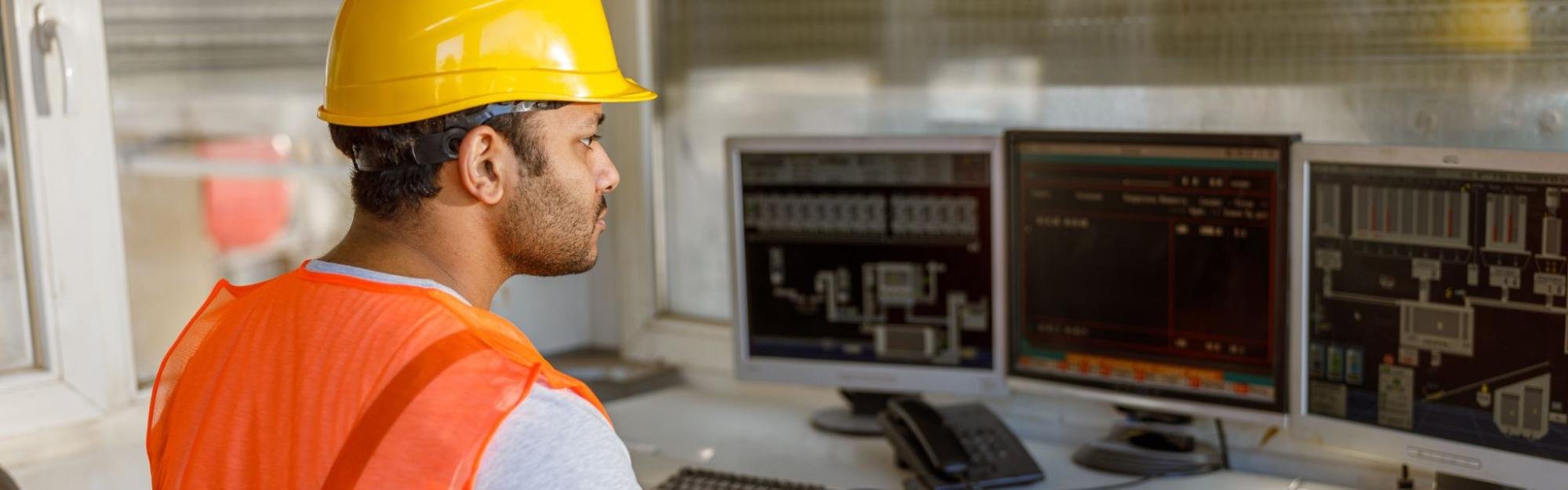
Building owners and managers handle complex operations every day across mechanical systems, tenants, and maintenance teams. Paper logs and scattered spreadsheets often struggle to keep pace with modern building demands. Computer-aided facility management software brings order to these moving parts through organized digital oversight. The platform connects maintenance schedules, equipment records, and space data into a single, accessible environment. Property owners gain clearer operational visibility and improve how buildings run day-to-day.
What is CAFM Software for Facilities?
Computer-aided facility management software is a set of digital systems that organize building operations, maintenance tasks, and facility records. Property managers use CAFM platforms to monitor assets, maintenance schedules, and service requests through one interface. This system structure centralizes facility information that would otherwise sit in disconnected files or spreadsheets. Building owners gain a clear operational view that supports informed maintenance planning and property management decisions.
Definition of CAFM Software
Computer-aided facility management software manages building operations through structured digital records and automated workflows. The system stores maintenance schedules, equipment documentation, and service histories in a single searchable platform. Facility managers track repairs, inspections, and asset performance without relying on manual logs. This digital structure reduces confusion caused by outdated or missing records. The approach also supports coordinated communication between maintenance teams and building administrators. Industry organizations such as the International Facility Management Association describe CAFM tools as foundational technology for modern facility operations.
Why Building Owners Use CAFM Systems
Building owners use CAFM systems to manage growing operational complexity across commercial and industrial properties. Modern buildings include HVAC equipment, electrical infrastructure, security systems, and tenant service processes. This operational environment creates large volumes of maintenance data that require organized oversight. CAFM platforms track these details using automated scheduling and asset-monitoring tools. The software also helps maintenance teams respond faster to service requests. Owners gain clearer operational insight while improving building reliability.
CAFM vs. Basic Maintenance Tools
Basic maintenance tools rely on spreadsheets, email threads, or paper logs to track work orders. These systems often break down as buildings expand or equipment inventories grow larger. Computer-aided facility management software creates a structured environment where tasks, assets, and personnel connect digitally. The system automatically records maintenance history as technicians complete assigned work. Facility managers review operational trends through dashboards and performance reports. This structured data environment improves long-term oversight of properties.
How CAFM Software Works
CAFM software organizes building operations through a centralized digital management system. The platform consolidates asset information, maintenance schedules, and service requests into a single environment. Facility teams interact with the system via dashboards, automated alerts, and work-order tools. This digital framework allows building owners to monitor property performance with greater clarity.
Centralized Facility Data Management
Facility operations generate continuous information about inspections, repairs, and equipment conditions. CAFM platforms centralize this information into organized digital records. The system allows maintenance teams to access equipment manuals, warranties, and service histories instantly. This centralized database eliminates the confusion caused by scattered documents across departments. Technicians review accurate information before performing repairs or inspections. The structured data environment supports better operational decision-making across the entire property.
Asset Tracking and Equipment Records
Building equipment requires careful monitoring to maintain reliable performance. CAFM software creates digital profiles for each mechanical or electrical asset within the building. These profiles store installation details, inspection records, and maintenance histories. Facility managers track equipment health by reviewing these structured asset records. The system highlights recurring repair patterns or aging infrastructure. This operational visibility supports better planning for repairs or future equipment replacements.
Maintenance Scheduling and Work Orders
Preventive maintenance reduces unexpected system failures and tenant disruptions. CAFM platforms automate inspection schedules based on asset requirements and service intervals. The software generates work orders when maintenance tasks become due. Maintenance teams receive assignments through digital task lists within the platform. Technicians update work order status after completing inspections or repairs. This workflow automation keeps building systems maintained without relying on manual tracking.
Tenant Requests and Service Tracking
Tenants frequently submit requests regarding lighting, heating, plumbing, or building access. CAFM software captures these requests through digital service portals or facility management dashboards. The system assigns each request to maintenance staff for review and action. Maintenance teams monitor response times and service progress within the platform. Tenants also receive updates that show when technicians schedule or complete repairs. This service tracking structure strengthens communication between property managers and building occupants.
Core Features of CAFM Platforms
CAFM platforms combine several operational tools that support maintenance coordination and facility oversight. The software integrates asset tracking, work-order systems, and reporting dashboards into a single environment. These features help building owners maintain reliable property operations. Facility managers gain accurate information that guides daily maintenance decisions.
Preventive Maintenance Management
Preventive maintenance focuses on servicing building systems before equipment failures occur. CAFM software automatically schedules inspections and recurring service tasks. The platform tracks service intervals for equipment such as HVAC units or elevators. Technicians receive reminders indicating when inspections are due. The system records completed maintenance work for future reference. This maintenance structure reduces downtime while extending equipment lifespan.
Digital Floor Plans and Facility Mapping
Facility mapping tools allow building owners to visualize property layouts within CAFM software. Digital floor plans display the locations of rooms, mechanical equipment, and infrastructure. Facility teams update layouts during renovations or tenant moves. This digital mapping system helps technicians quickly locate building assets. The visual interface also supports planning for maintenance projects or workspace changes. Building owners maintain better awareness of how space supports daily operations.
Space Utilization Monitoring
Space utilization tools analyze how frequently rooms, offices, or shared areas are used. CAFM systems gather occupancy data through scheduling platforms or facility records. Facility managers review these insights to understand building usage patterns. The information helps identify underused areas that may require adjustments to the layout. Owners may improve leasing strategies or workspace allocation using this data. This operational insight strengthens long-term property planning.
Facility Reporting and Analytics
Reporting tools within CAFM software generate operational insights from facility data. The platform tracks maintenance costs, service requests, and equipment performance metrics. Facility managers review reports that reveal maintenance patterns or equipment issues. These analytics help owners prioritize repairs or schedule infrastructure upgrades. Reliable data also supports budgeting and long-term capital planning. Industry studies from Gartner and IFMA highlight analytics as a growing focus in modern facility technology.
Benefits of CAFM for Building Owners
Computer-aided facility management software improves how owners oversee building operations and maintenance programs. The platform provides organized visibility across equipment records, service requests, and operational workflows. This structured oversight enables owners to manage properties more efficiently. Facility teams also coordinate maintenance tasks more effectively.
Maintenance Cost Control
Maintenance costs often rise when buildings rely on reactive repairs instead of planned servicing. CAFM systems help facility managers track inspection schedules and repair histories. The software highlights patterns that reveal aging equipment or repeated breakdowns. Owners use these insights to plan repairs before systems fail unexpectedly. Preventive maintenance programs reduce emergency repair expenses. This structured planning approach stabilizes long-term operational budgets.
Improved Operational Efficiency
Facility teams frequently handle multiple service tasks across large properties. CAFM platforms consolidate work orders, inspection schedules, and asset records into a single interface. The system assigns tasks clearly so technicians understand maintenance priorities. This workflow coordination reduces delays caused by unclear communication. Facility managers monitor progress through real-time dashboards. Building operations move forward with greater consistency.
Better Tenant Communication
Tenant satisfaction improves when maintenance teams respond quickly to building issues. CAFM software tracks service requests and records each step of the repair process. Tenants receive updates through digital portals that show maintenance progress. Facility managers monitor response times and service outcomes through the platform. This communication system builds trust between building management and occupants. Property owners maintain stronger relationships with tenants over time.
Long-Term Asset Planning
Building infrastructure requires thoughtful planning across its operational lifespan. CAFM systems store detailed service histories for each building asset. Facility managers review these records to estimate replacement timelines. The data reveals trends in equipment performance and maintenance frequency. Owners use this information when planning capital improvements or system upgrades. Structured asset data supports responsible long-term property management.
Choosing the Right CAFM Software
Selecting a CAFM platform requires evaluating operational needs, building size, and maintenance complexity. Different properties demand different levels of reporting, asset tracking, and integration capabilities. Building owners should review software capabilities carefully before adopting a system. Thoughtful selection helps the platform support daily operations and long-term property strategies.
Evaluating CAFM Software Features
CAFM platforms vary widely in design, technical complexity, and operational features. Some systems focus primarily on maintenance management tools. Other platforms include advanced reporting, space planning, and analytics capabilities. Building owners should examine how each feature supports facility operations. The software interface should remain simple enough for maintenance teams to use daily. Clear workflows often encourage faster staff adoption.
Integration With Building Systems
Modern buildings rely on several digital systems for energy management, security monitoring, and building automation. CAFM platforms function best when they connect with these existing technologies. Integration allows facility data from multiple systems to appear in a single management interface. Facility teams review building performance without switching between several applications. This connected infrastructure improves operational visibility. Building owners gain a more complete understanding of property performance.
Implementation and Staff Training
Successful CAFM adoption requires careful preparation and staff training. Maintenance teams must understand how to navigate the system and manage digital workflows. Training sessions help technicians learn work order processes and reporting tools. Building managers should introduce the platform gradually during implementation. This structured rollout prevents disruption to ongoing maintenance operations. Staff confidence grows as teams become comfortable with the software environment.
Adopt Computer-Aided Facility Management Software
Buildings operate more efficiently when maintenance, asset, and facility data are integrated into a single reliable system. Computer-aided facility management software gives building owners clearer oversight of daily operations and long-term infrastructure planning. Working with a trusted CAFM software provider also helps property teams implement the right tools for managing maintenance workflows and equipment records. Owners who strengthen operations with structured digital systems position their buildings for steadier performance and better tenant service.
Explore more insights on building management, facility technology, and property operations on the LNE Surveys blog. Discover practical knowledge that helps building owners manage facilities with clarity.
