

Viewing entries in
Historical Building Docum

What is Building Documentation?

What is Building Documentation?

Business owners manage properties that operate as living systems rather than static assets. Every wall, system, and connection carries information that affects cost control, safety, and long-term planning. When that information remains fragmented or outdated, decision-making slows, and risk increases quietly. Building documentation organizes that complexity into reliable records that explain how a property functions today. For owners responsible for continuity and accountability, documented clarity supports stronger operational control.
Definition of Building Documentation 

Building documentation refers to the structured records that describe a property’s design, construction, systems, and ongoing changes. This documentation provides factual references that support ownership decisions beyond daily maintenance tasks. Business owners rely on these records to understand what exists, how it works, and why it was built the way it is. Clear documentation replaces assumptions with verifiable information.

What Building Documentation Includes

Building documentation includes drawings, specifications, permits, inspection records, and system data tied to a property. These records describe architectural layouts, structural systems, and building services in detail. Each document captures decisions made during design, construction, or later modifications. Business owners use this information when planning repairs, upgrades, or expansions. Documentation also supports communication between owners, consultants, and contractors. Without complete records, teams often repeat work that was already done.

Difference Between Documentation and Drawings

Building drawings show geometry, while documentation explains performance and intent. Documentation adds specifications, calculations, and approvals that drawings alone cannot convey. This additional context clarifies materials, capacities, and design constraints. Business owners benefit when records explain system limits before changes begin. Drawings rarely reflect all post-construction modifications. Documentation fills those gaps with a traceable history.

Why Building Documentation Matters to Owners

Building documentation supports predictable operations by reducing uncertainty. This documentation allows owners to plan budgets, timelines, and resources with greater accuracy. Clear records help businesses respond faster to issues without unnecessary disruption. Over time, documentation strengthens operational confidence.

Cost Control and Financial Planning

Building documentation supports financial planning by clarifying system conditions and replacement timelines. This information allows owners to forecast maintenance and capital costs more accurately. Contractors also price work more precisely when documentation reduces unknowns. Fewer surprises appear once projects begin. Business owners avoid inflated contingency costs tied to uncertainty. Documentation improves budget reliability.

Legal and Insurance Protection

Building documentation clarifies responsibility during inspections, disputes, or insurance claims. This clarity protects owners when incidents trigger reviews. Insurers often request records to assess coverage and risk exposure. Missing documentation can delay approvals or weaken claims. Well-maintained records demonstrate responsible property oversight. Documentation strengthens legal positioning.

Faster and Safer Decision-Making

Building documentation provides verified information that supports timely decisions. This documentation reduces reliance on verbal knowledge or informal assumptions. Owners evaluate renovation or expansion plans with fewer unknowns. Decisions move forward with fewer revisions and delays. Teams collaborate more efficiently using shared records. Documentation supports controlled execution.

Core Components of Building Documentation

Building documentation combines multiple record types into a unified system. These components describe structure, systems, and compliance status. Owners benefit when documentation remains organized and up to date. Each component supports a different operational function.

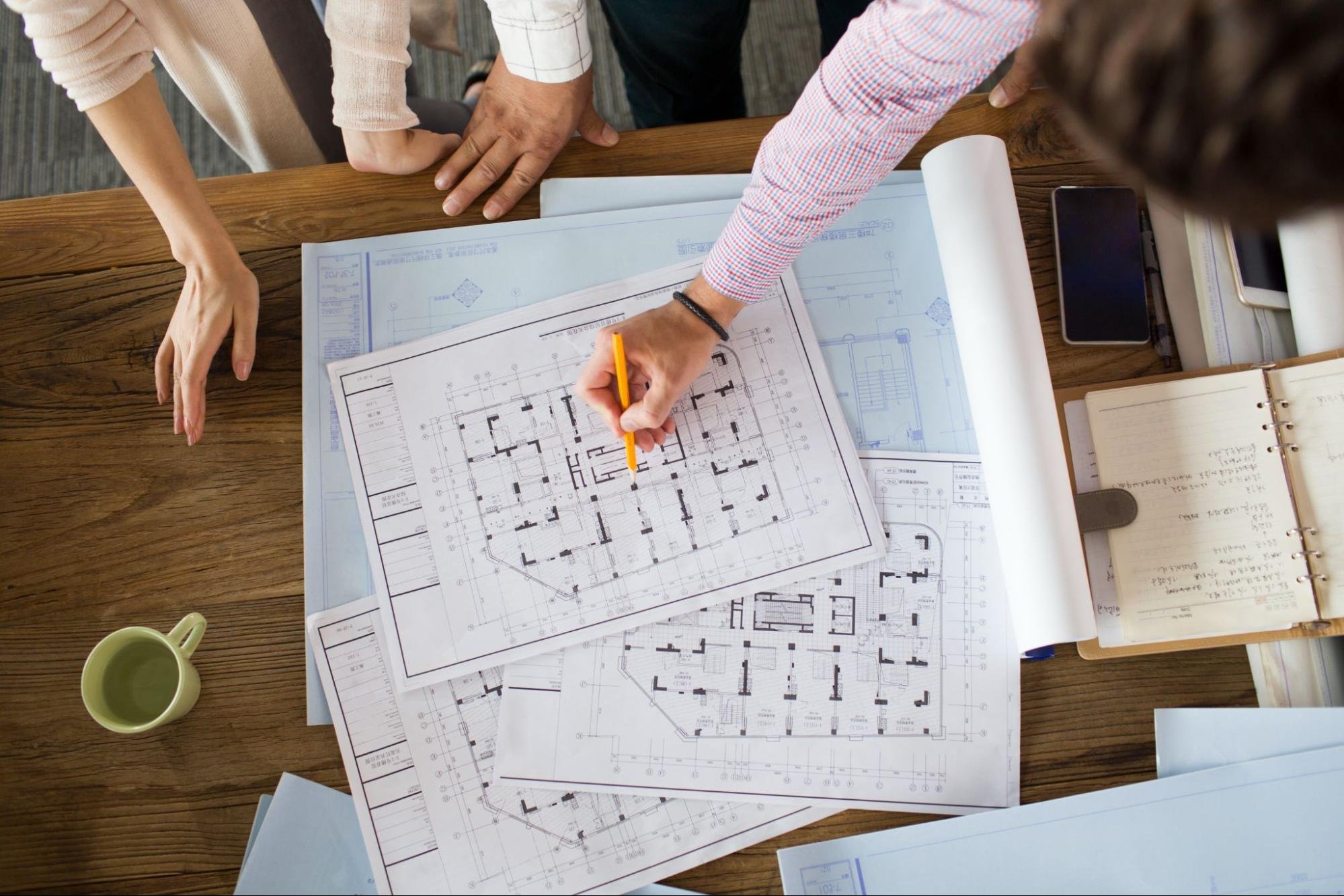
Professional engineering team collaborating on building documentation and project blueprints

Architectural and Space Planning Records

Architectural records describe layouts, dimensions, and spatial relationships. These records support tenant planning and renovation coordination. Updated plans prevent conflicts between assumptions and physical conditions. Business owners rely on accurate layouts during leasing discussions. Emergency planning also depends on spatial clarity. Architectural documentation supports coordination.

Structural and Engineering Records

Structural documentation explains how buildings support loads and resist forces. These records include framing layouts and engineering calculations. Owners reference this information before approving modifications. Structural clarity reduces safety risks during construction. Engineers depend on accurate records for evaluations. Documentation prevents costly redesigns.

Mechanical, Electrical, and Plumbing Records

MEP documentation maps how essential systems operate throughout the building. These records identify equipment locations, capacities, and service paths. Maintenance teams use documentation to diagnose issues efficiently. Owners reduce downtime when system data remains accessible. Documentation also supports energy planning. Clear records protect continuity.

Compliance and Regulatory Records

Compliance documentation confirms adherence to building and safety regulations. These records include permits, inspection reports, and certifications. Regulators often request documentation during audits or renewals. Missing records can cause delays or penalties. Owners maintain stability through organized compliance files. Documentation simplifies regulatory interactions.

Building Documentation Across the Property Lifecycle

Building documentation evolves as properties move from construction to daily use. Each phase introduces new information that influences future decisions. Owners benefit when documentation accurately reflects these changes. Lifecycle documentation supports long-term asset management.

Documentation During Design and Construction

Design documentation establishes technical and quality standards. Construction updates record field changes and approvals. These records form a reliable baseline for operations. Owners rely on accurate as-built documentation after completion. Incomplete records create confusion later. Early discipline prevents long-term issues.

Documentation for Operations and Maintenance

Operational documentation grows through maintenance reports and equipment updates. This documentation supports faster troubleshooting and planning. Owners avoid repeated investigations when records remain up to date. Teams rely less on individual memory. Documentation improves continuity during staff changes. Ongoing updates preserve knowledge.

Documentation During Renovations and Expansions

Renovation projects depend on the accuracy of existing documentation. Clear records reduce discovery work and redesign costs. Contractors plan efficiently with system clarity. Owners experience fewer delays during construction. Updated documentation captures new conditions. Renovation success depends on reliable records.

Architects working on a blueprint for a new building documentation project

Building Documentation and Continuity Planning

Building documentation directly supports business continuity by preserving operational knowledge during disruption. This documentation enables owners to respond more quickly when systems fail or access is restricted. Clear records reduce downtime by guiding teams through recovery steps. Continuity planning relies on documentation accuracy.

Documentation During Operational Disruptions

Operational disruptions often first expose documentation gaps. When systems fail, teams need immediate access to layouts and system data. Documentation shortens response time by removing guesswork. Owners avoid delays caused by on-site investigation. Clear records guide service providers efficiently. Recovery becomes more controlled.

Supporting Continuity During Leadership Changes

Leadership changes often disrupt undocumented knowledge flows. Documentation preserves operational understanding beyond individuals. New decision-makers rely on records to accurately assess risk. Owners maintain stability during transitions. Documentation reduces dependency on informal briefings. Continuity improves through clarity.

Digital Building Documentation for Modern Operations

Digital documentation centralizes records into accessible systems. This approach improves coordination and oversight. Owners gain faster access to verified information. Digital platforms support modern operational demands.

Limitations of Paper-Based Documentation

Paper records degrade, duplicate, and become outdated over time. Locating information becomes difficult during urgent situations. Updates often fail to reach all stakeholders. Owners waste time verifying outdated documents—physical storage limits accessibility. Digital systems resolve these issues.

Centralized Access and Version Control

Digital documentation provides controlled access for teams and vendors. Version control prevents outdated records from circulating. Owners maintain oversight without micromanaging information. Collaboration improves across departments. Security permissions protect sensitive data. Centralized access improves accountability.

Integration With Facility Management Systems

Digital documentation integrates with maintenance and asset platforms. This integration links records to service histories and schedules. Owners identify patterns that inform capital planning. Documentation becomes part of daily workflows. Data-driven decisions become easier. Integration reduces silos.

Building Documentation as an Internal Knowledge System

Building documentation functions as a permanent knowledge system for organizations. This documentation preserves operational understanding beyond individual employees. Owners maintain continuity during staffing or leadership changes. Documentation protects institutional memory.

Reducing Dependency on Individual Experience

Operational knowledge often concentrates in long-tenured staff. When employees leave, undocumented information disappears. Documentation captures decisions that otherwise remain informal. Owners reduce disruption during transitions. Teams regain clarity faster. Knowledge remains accessible.

Supporting Scalable Operations

Growing businesses rely on repeatable processes. Documentation standardizes how buildings are understood and managed. New staff onboard more quickly with clear records. Owners avoid reinventing processes at each location. Documentation supports consistency across portfolios. Scalability improves.

Documentation Debt and Hidden Business Costs

Documentation debt builds up when updates fall behind schedule. This debt accumulates quietly as small gaps compound. Owners often recognize the impact during complex projects. Documentation neglect increases long-term costs.

How Documentation Debt Accumulates

Small, undocumented changes seem harmless at first. Over time, these omissions distort the building record. Teams struggle to trust existing information. Investigative work increases before each project. Owners pay repeatedly for rediscovery. Documentation debt grows.

Business Impact of Documentation Gaps

Incomplete records slow renovations and inflate bids. Contractors add contingency to manage uncertainty. Owners face extended timelines and higher costs. Compliance reviews become more difficult. Operational confidence erodes. Documentation debt drains efficiency.

Cost of Recreating Lost Building Information

Lost building information forces businesses to pay repeatedly for the same knowledge. This cost appears gradually through delays, consultant fees, and investigative work. Owners often underestimate how often this recreation occurs. Documentation prevents repeated rediscovery.

Time and Labor Spent Rediscovering Conditions

Teams spend hours reopening ceilings and walls to verify conditions. This time adds labor costs without creating new value. Owners delay projects while teams confirm unknowns. Documentation removes the need for repeated verification. Work proceeds faster with reliable records—time savings compound.

Consultant and Project Delay Costs

Consultants often re-survey buildings due to missing documentation. These services increase project budgets unnecessarily. Owners absorb added design and engineering fees. Schedules extend while information gets recreated. Documentation reduces these recurring expenses. Projects regain momentum.

Vendor Performance and Documentation Quality

Building documentation directly influences vendor behavior. This documentation shapes pricing, timelines, and accountability. Owners often overlook this connection. Clear records improve outcomes.

Documentation and Contractor Pricing

Contractors assess risk based on available information. Vague documentation leads to conservative pricing. Clear records reduce uncertainty during bidding. Owners receive more accurate proposals. Scope clarity limits disputes. Documentation improves cost control.

Documentation and Project Accountability

Clear documentation defines scope and expectations. Vendors reference records when questions arise. Disagreements resolve faster with written clarity. Owners maintain leverage during execution. Accountability improves across teams. Documentation supports oversight.

Document Your Building for Smarter Control

Building documentation defines how effectively a business understands and manages its physical assets. When records remain accurate and accessible, decisions align with real conditions rather than assumptions. Many owners strengthen this process by working with specialized building documentation consultants, who verify, organize, and maintain records as buildings change. Real progress begins when building documentation becomes a managed business function, supported by the right expertise, rather than an afterthought.


Learn how building information becomes a business advantage through expert guidance on the  LNE Surveys blog.