
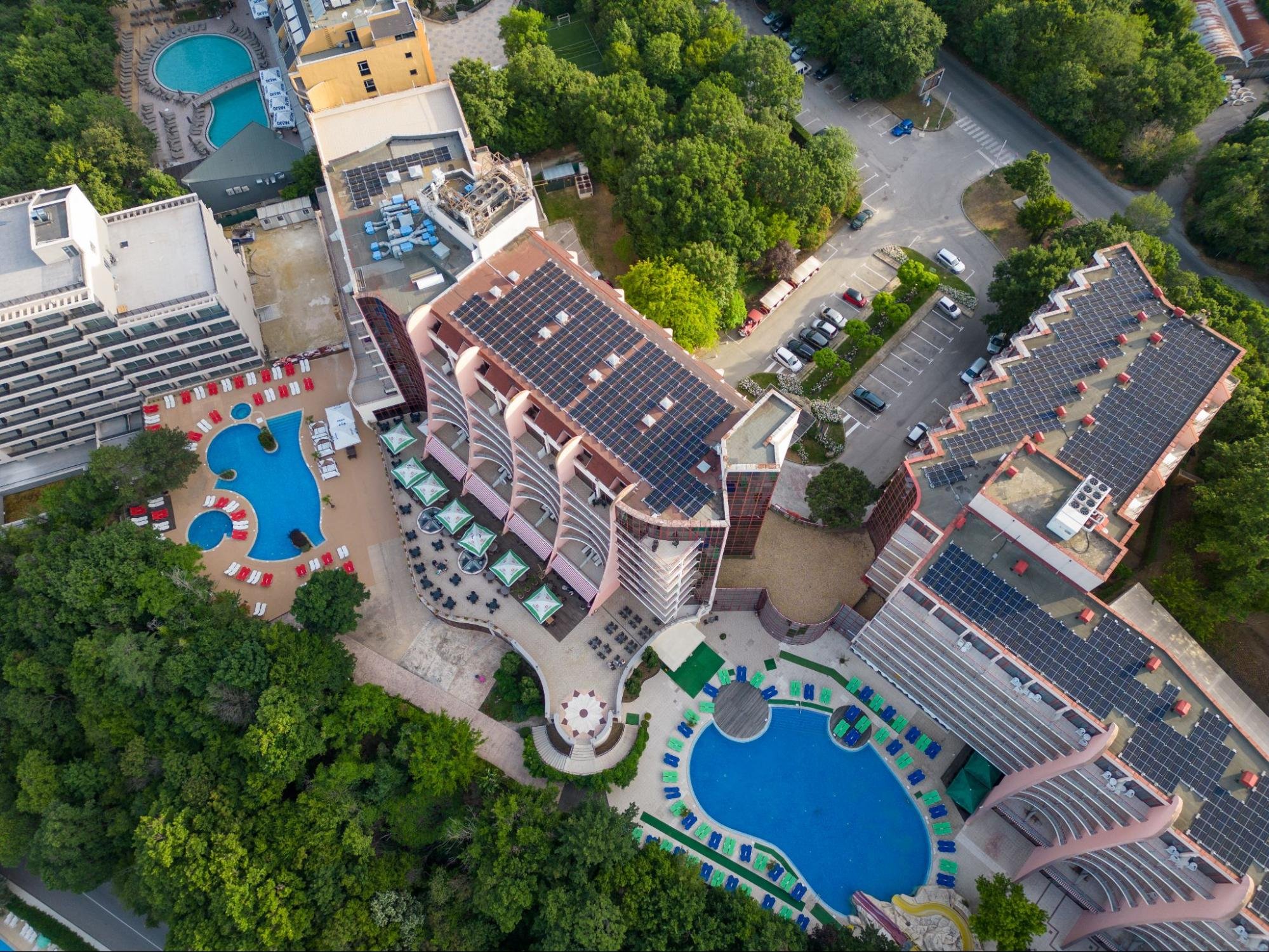
Business owners compete in crowded markets where visuals often decide attention and trust. Customers respond faster to images that clearly show scale, location, and real-world context. Aerial photography gives that perspective by presenting assets from angles that feel informative and engaging. Drone technology has made this approach more practical, affordable, and consistent across industries. Many companies now rely on this visual method to communicate value and influence decisions with greater clarity.
What Aerial Photography Means for Businesses
Aerial photography is the capture of images or video from an elevated perspective using drones equipped with high-resolution cameras and stabilization systems. This approach provides a wider field of view, clearly showing both the subject and its surroundings. Businesses use this method to present locations, operations, and assets in a way that improves understanding and reduces confusion. This process involves planned flight paths, controlled angles, and real-time monitoring to capture accurate and consistent visuals. Companies apply it across marketing, inspections, mapping, and content creation based on specific goals. This versatility allows businesses to communicate value more effectively while supporting both promotional and operational needs.
Why Professionals Use Aerial Photography
Professionals rely on aerial photography to capture visuals that communicate more than standard images. This approach reveals context, scale, and surroundings in a single frame. Businesses benefit from clearer storytelling that supports both marketing and operational goals. This demand for better visuals continues to drive widespread adoption across industries.
Better Business Visibility and Brand Reach
Aerial photography provides a clear, wide-angle view that helps businesses present assets with context and clarity. This perspective allows customers to understand location, scale, and surroundings without confusion. Strong visuals improve engagement across websites, listings, and social platforms. Businesses that use aerial imagery often communicate value more quickly than competitors using standard visuals.
Aerial Visuals Build Customer Trust
Clear, elevated visuals help businesses present properties or operations with full transparency. Customers often rely on these images to assess quality before making decisions. This perspective removes uncertainty by revealing surroundings, access points, and layout details. Businesses benefit because clients feel more informed and confident during evaluation. High-quality drone imagery also signals professionalism and attention to detail. Over time, this credibility strengthens brand perception and customer loyalty.
Industries Using Aerial Photography Services
Many industries rely on elevated imaging to present accurate and engaging visuals. Real estate professionals use it to highlight property size and nearby features. Construction teams depend on it to track progress and document milestones. Hospitality brands showcase landscapes and amenities to attract guests more effectively. Event organizers capture crowd scale and venue layout from above. Agriculture businesses also use this method to monitor land conditions and crop performance.
Enhancing Online Listings and Digital Presence
Elevated visuals improve how listings appear across websites and property platforms. This perspective gives potential clients a clearer understanding of location and surrounding features. Businesses can highlight accessibility, nearby landmarks, and overall environment in a single frame. This clarity reduces the need for excessive descriptions and speeds up decision-making. Strong visuals also increase click-through rates and time spent on listings. Over time, this advantage improves visibility and overall marketing performance.
Advanced Drone Technology for Imaging
Drone technology has transformed aerial photography, making it more accessible and efficient for businesses. This innovation removes many of the limitations associated with traditional aerial methods. Companies can now capture high-quality visuals without complex logistics or high costs. This shift allows more businesses to adopt aerial imaging as part of their strategy.

Limits of Traditional Aerial Photography
Traditional aerial photography relied on aircraft that required large budgets and detailed planning. This method often involved scheduling challenges and weather-related delays. Businesses faced limited flexibility when capturing specific angles or locations. Safety concerns also restricted how often teams could operate in certain environments. Smaller companies found these methods difficult to justify due to cost. As a result, many missed opportunities to use aerial visuals in marketing.
Drone Advantages for Business Imaging
Drone technology provides direct control over camera movement and framing during shoots. This control allows operators to adjust angles instantly and capture precise visuals. Businesses benefit from faster setup and reduced need for large crews. Modern drones also feature stabilization systems that produce smooth, clear footage. This capability supports consistent quality across different projects and environments. These advantages make aerial photography more practical for ongoing business use.
Real-Time Monitoring and Adjustments
Drone systems allow operators to view footage in real time during the shoot. This capability helps teams identify issues and adjust angles in real time. Businesses can confirm that each shot meets expectations before ending the session. This approach reduces the need for reshoots and additional costs. Real-time monitoring also improves coordination between operators and stakeholders. This efficiency leads to more accurate and reliable results.
Lower Costs With High Marketing Returns
Aerial photography using drones is a cost-effective alternative to traditional methods. This approach reduces operational expenses while maintaining professional-quality results. Businesses can allocate budgets more efficiently without sacrificing visual impact. Lower costs make it easier to integrate aerial imaging into regular marketing efforts.
Lower Operational Costs With Drones
Drone operations require less equipment and fewer personnel than aircraft-based shoots. This setup reduces labor and logistical expenses for businesses. Shorter preparation times also lower overall project costs. Companies can complete multiple shoots within a limited timeframe without overspending. Maintenance and fuel costs remain minimal compared to traditional aviation methods. This efficiency allows businesses to produce consistent visual content within budget limits.
Higher ROI from Aerial Photography Content
Aerial photography generates strong returns by improving engagement and conversion rates. High-quality visuals attract more attention on digital platforms and marketing materials. Customers spend more time engaging with content that offers clear, detailed perspectives. Businesses can reuse drone footage across websites, ads, and presentations. This flexibility increases the long-term value of each project. Over time, consistent use of aerial visuals supports stronger revenue growth.
Long-Term Value of Reusable Visual Assets
Drone footage can be reused across multiple campaigns. This flexibility reduces the need for frequent reshoots and additional expenses. Companies can repurpose visuals for social media, websites, and presentations. Consistent imagery strengthens brand identity over time. This approach improves efficiency in content creation and planning. Long-term use increases the overall return on investment.

Superior Image Quality and Precision
Drone photography delivers high-resolution visuals that meet professional business standards. This technology provides consistent image clarity across different environments and conditions. Businesses gain better control over framing, lighting, and composition during shoots. This precision helps present assets more compellingly and accurately.
High-Resolution Aerial Imaging Capabilities
Modern drones capture images and videos in high resolutions such as 4K and beyond. This capability ensures sharp details that enhance marketing materials and presentations. Stabilization systems reduce motion blur and maintain smooth footage during flight. Businesses benefit from visuals that remain clear even in dynamic environments. This quality supports both digital and print applications without loss of detail. Reliable output helps maintain a consistent brand image across platforms.
Unique Angles in Aerial Photography
Aerial photography allows businesses to capture perspectives that ground-based cameras cannot. These angles highlight spatial relationships and provide a fuller view of surroundings. This approach helps customers better understand property layouts and environmental context. Creative framing also supports stronger storytelling in marketing campaigns. Businesses can showcase features that would otherwise remain hidden. These unique visuals create memorable impressions that support brand recognition.
Faster Turnaround and Efficient Workflows
Drone photography improves workflow efficiency by reducing setup time and speeding up execution. This process allows businesses to complete projects faster without sacrificing quality. Teams can capture multiple angles and perspectives within a single session. Faster turnaround supports marketing timelines and operational needs.
Faster Aerial Photography Project Delivery
Drone teams can deploy equipment quickly and begin capturing footage within minutes. This speed reduces delays that often affect traditional aerial shoots. Businesses can review results on-site and make adjustments immediately. This workflow helps avoid costly reshoots and extended timelines. Faster delivery supports time-sensitive campaigns and project updates. Efficient execution allows companies to respond quickly to market demands.
Streamlined Team Coordination and Workflow
Drone operations require smaller teams, which simplifies communication and coordination. This setup reduces the risk of delays caused by complex logistics. Teams can focus on creative direction instead of managing large crews. Digital tools integrate easily with drone workflows for editing and sharing. This integration improves collaboration across departments and stakeholders. Businesses maintain productivity while capturing high-quality aerial visuals.
Safer and Easier Access to Any Location
Drone-based aerial photography improves safety by reducing direct human involvement in risky environments. This approach allows businesses to capture visuals without exposing teams to hazards. Remote operation keeps personnel at a safe distance during inspections and shoots. Improved safety standards support more consistent and reliable project execution.
Reduced Risks in Aerial Photography Tasks
Drone operators can capture footage without climbing structures or using heavy equipment. This method minimizes the chance of workplace accidents and injuries. Businesses can inspect sites and document progress safely from a distance. This approach also reduces disruptions to ongoing operations. Compliance with safety regulations becomes easier through controlled drone usage. Lower risk levels help protect both employees and company resources.
Access Hard-To-Reach Locations Easily
Drones can reach areas that traditional equipment cannot access effectively. This capability includes working in tight spaces, on uneven terrain, and in restricted zones. Businesses gain valuable visuals from locations that were previously difficult to document. Large properties become easier to capture from multiple perspectives. Natural landscapes and infrastructure projects benefit from broader coverage. This access supports better decision-making and project planning.
Minimizing Operational Disruptions
Drone usage allows businesses to continue operations during visual capture. This approach reduces downtime compared to traditional inspection or filming methods. Teams can collect data without interfering with daily activities. This efficiency is especially useful for construction and industrial sites. Reduced disruption helps maintain productivity and project timelines. Businesses gain necessary visuals without affecting workflow continuity.
Stronger Market Position With Visual Impact
Aerial photography gives businesses a distinct advantage by improving how they present their offerings. This visual approach captures attention quickly and communicates value more effectively. Companies that adopt drone imaging often stand out in competitive markets. Strong visuals support better engagement and stronger brand positioning.
Stand Out Using Aerial Photography Visuals
Aerial photography helps businesses create unique and memorable visual content. This approach highlights features that competitors may overlook in standard images. Customers respond better to visuals that offer clear, engaging perspectives. Businesses can tell stronger stories by showing context and scale together. This clarity improves understanding and reduces hesitation during decision-making. Distinct visuals help brands remain top of mind for potential clients.
Build Credibility With Aerial Imaging
Professional aerial visuals reflect a business that values quality and transparency. Customers often associate polished imagery with reliable services and products. This presentation builds trust and encourages confidence in brand offerings. Businesses can showcase complete views of assets, which supports honest communication. Consistent quality strengthens long-term client relationships. Credibility gained through visuals contributes to sustained business growth.
Strengthening Brand Identity Through Visuals
Consistent aerial imagery helps businesses establish a recognizable visual style. This approach reinforces brand identity across marketing channels and campaigns. Customers begin to associate specific visual qualities with the business. Strong branding improves recall and customer loyalty over time. Visual consistency also supports professionalism and reliability. Businesses benefit from a more cohesive and memorable presence in the market.
Maximize Impact With Aerial Photography
Aerial photography gives businesses a clearer way to present value and capture attention across competitive markets. This approach strengthens how brands communicate by combining context, scale, and visual clarity in a single frame. Companies that integrate drone visuals often see stronger engagement and more confident customer decisions. This shift reflects how audiences now expect sharper, more informative imagery when evaluating products or services. Working with experienced providers, including a qualified surveying firm, helps businesses achieve accurate, high-quality results that support both marketing and operational goals.
Learn practical ways to apply aerial photography in your projects on the LNE Surveys blog.