
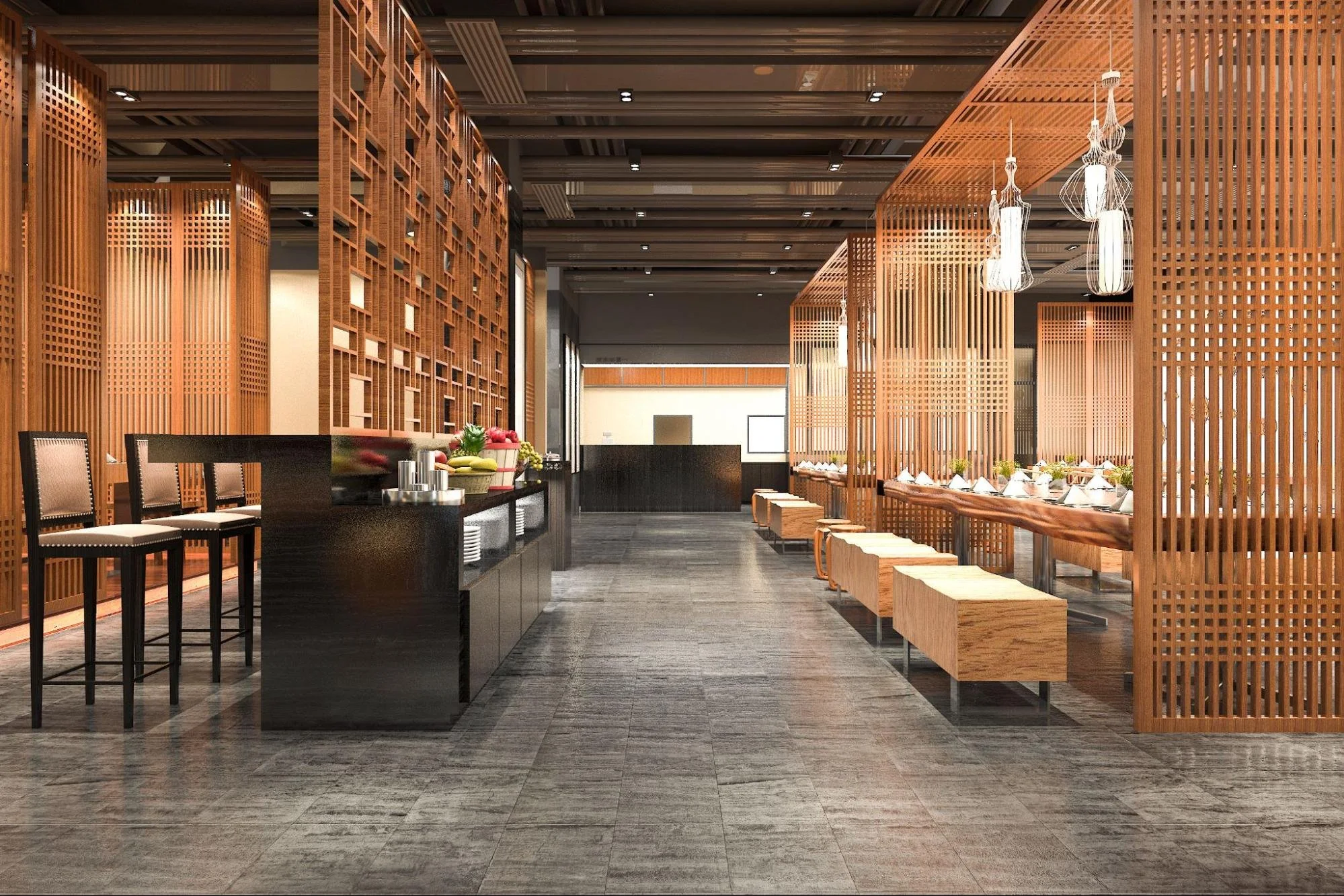
Commercial spaces demand a clear vision before any construction begins. Owners often face uncertainty when translating ideas into physical layouts. Flat drawings fail to show how people move, interact, and respond to a space. This limitation creates delays, revisions, and rising development costs. 3D modeling programs bridge that gap by turning concepts into detailed, realistic environments that guide confident decisions.
What Are 3D Modeling Programs?
3D modeling programs are digital tools that create detailed visual representations of commercial spaces. These platforms simulate depth, lighting, textures, and spatial relationships with high accuracy. Unlike traditional sketches, these systems show how a design performs in real conditions. This approach helps owners understand layouts, materials, and user flow before construction begins.
Core Features for Commercial Use
Real-time rendering displays changes instantly as you make design adjustments. This capability allows owners to review updates without waiting for revised drafts. Detailed material libraries show accurate finishes, colors, and textures in context. Collaboration tools allow architects, contractors, and owners to review designs together. Integration with construction and planning software keeps workflows smooth. This approach reduces confusion and keeps every stage aligned with the original vision.
Types of 3D Modeling Software
Different software categories serve specific roles in commercial projects. Architectural tools focus on structure, layout, and spatial planning. Interior visualization software highlights furniture placement and lighting effects. Building Information Modeling systems combine design with construction data for deeper insight. Each type supports different stages of development and planning. This variety allows owners to select tools that match their project needs and scale.
Why Use 3D Modeling in Business Spaces
3D modeling programs improve how commercial projects move from concept to execution. These tools replace guesswork with clear, visual communication across all teams. This clarity reduces misunderstandings that often lead to costly revisions, helping business owners maintain control over timelines, budgets, and outcomes.
Faster Client Approvals
Realistic visual presentations help clients understand designs without technical confusion. This clarity removes barriers that often slow decision-making. As a result, stakeholders approve concepts more quickly and with greater confidence. This efficiency shortens approval cycles and keeps projects moving forward. Visual clarity also helps investors evaluate concepts without relying on assumptions. This benefit strengthens support for both design direction and funding decisions.
Fewer Design Errors
Early visualization reveals layout conflicts before construction begins. This visibility allows teams to correct issues without disrupting schedules. For example, designers can spot spacing problems between fixtures and structural elements. This proactive approach reduces rework and prevents unexpected changes. Accurate visualization also improves how space gets used within the design. This precision leads to smoother project execution and fewer delays.
Cost Benefits of 3D Modeling Programs
3D modeling programs help control project costs by improving planning accuracy. These tools highlight potential problems before construction starts, reducing financial risk. This foresight enables owners to make better spending decisions throughout the project, supporting both short-term budgets and long-term investment goals.
Reduce Rework and Waste
Detailed design previews refine concepts before construction begins. This process allows teams to correct issues early, rather than during the building phase. As a result, material waste decreases, and labor efficiency improves. Fewer errors also reduce downtime caused by design changes, helping projects stay closer to their original timelines. This improvement translates into measurable savings for commercial owners.

Improve Budget Planning
Visual data supports more accurate cost estimation during planning stages. This insight allows owners to evaluate design choices before committing resources. Realistic previews help prioritize elements that offer the most value. This process reduces reliance on guesswork and improves financial planning. Owners can compare multiple design options without increasing costs. This clarity leads to smarter budget allocation across the project.
Increase Long-Term Value
Optimized layouts improve efficiency and performance over time. This optimization supports better energy use and smoother daily operations. Owners gain insight into how design decisions affect long-term functionality. This awareness leads to choices that balance cost with usability. Well-planned spaces often require fewer adjustments after completion, which improves the overall return on investment for commercial properties.
Risk Management With 3D Modeling
Risk management with 3D modeling focuses on identifying potential issues before construction begins. 3D modeling programs provide detailed previews that highlight design flaws and safety concerns. This visibility allows teams to address problems early in the planning stage, reducing financial, legal, and operational risks.
Identify Safety and Compliance Issues
Design errors can pose safety hazards to both customers and staff. 3D visualization helps detect problems like narrow exits or poor accessibility. Owners can review layouts against safety standards before approval. This step reduces the chance of regulatory issues during inspections. Designers can adjust plans with confidence to meet compliance requirements. This process protects both the business and its occupants.
Prevent Operational Inefficiencies
Poor design can disrupt daily operations and reduce productivity. 3D simulations allow teams to test workflows within the space. This analysis reveals inefficiencies in movement and task execution. Owners can refine layouts to improve staff performance and service delivery. Early adjustments prevent costly operational challenges later. This foresight supports smoother day-to-day operations.
Reduce Legal and Financial Exposure
Design flaws can lead to disputes, delays, or unexpected expenses. 3D modeling provides clear documentation of design intent and decisions. This transparency helps avoid misunderstandings between stakeholders. Owners can use models to validate plans before construction begins. This process reduces the likelihood of costly changes or legal conflicts, strengthening overall project stability.
3D Modeling in Commercial Spaces
3D modeling programs adapt to different commercial environments with ease. These tools enable owners to tailor designs to their business goals and customer needs. This flexibility supports both functional planning and visual appeal, making them useful across various industries and project types.
Retail and Showroom Design
Visual simulations help owners plan store layouts and customer movement. This capability allows testing of product placement and traffic flow. Designers can adjust lighting and displays to improve visual impact. This process creates a more engaging shopping experience. Owners can identify layouts that encourage customer interaction and purchases. This planning approach often leads to stronger sales performance.

Office and Workspace Planning
Flexible design tools support the creation of efficient and comfortable work environments. This planning includes testing layouts for collaboration and privacy. Owners can explore how employees move and interact within the space. This insight helps improve productivity and workflow, as branding elements can also be integrated into the design. This combination creates a workspace that reflects the company's identity and function.
Hospitality and Dining Layouts
Detailed visual planning allows owners to shape the atmosphere of hospitality spaces. This control includes lighting, seating, and material selection. Designers can test layouts that balance capacity and comfort. This process improves both guest experience and operational efficiency. Owners can also evaluate staff movement within the space. This planning leads to smoother service and better customer satisfaction.
Behavioral Insights in 3D Spaces
Behavioral insights in 3D spaces refer to how people interact with layouts before construction begins. 3D modeling programs simulate movement, attention, and decision-making within commercial environments. This capability enables owners to predict how customers and staff will use the space, thereby improving both the experience and operational efficiency.
Predict Customer Movement Patterns
Virtual simulations allow designers to study how people move through a space. This analysis reveals common paths, stopping points, and areas of congestion. Owners can identify sections that attract attention or remain ignored. This data helps refine layouts to guide customers naturally through the space. Designers can adjust pathways to improve flow and reduce confusion. This approach leads to better engagement and more efficient use of space.
Influence Buying Behavior Through Layout
Store layout directly affects how customers interact with products and displays. Strategic placement of items can increase visibility and encourage exploration. 3D simulations help test these arrangements before finalizing designs. Owners can experiment with different setups to find the most effective configuration, reducing reliance on trial-and-error after construction. This insight often leads to stronger sales performance and better customer experiences.
Improve Comfort and Spatial Experience
Comfort influences how long customers stay in a commercial space. 3D modeling allows designers to test spacing, lighting, and visual balance. These elements affect how open or crowded a space feels. Owners can adjust layouts to create a more welcoming environment. This improvement supports both customer satisfaction and staff productivity, adding value beyond visual design alone.
Collaboration With 3D Modeling Tools
3D modeling programs improve communication across all project stakeholders. These tools provide a shared visual reference that reduces misunderstandings. This clarity helps teams stay aligned from design to construction, leading to more efficient project execution.
Real-Time Design Feedback
Live editing tools allow teams to make adjustments during design discussions. This feature speeds up decision-making and reduces delays. Stakeholders can review changes instantly and provide input. This interaction keeps the project moving forward without interruptions. Designers can refine concepts based on immediate feedback. This process leads to more accurate and efficient results.
Remote Project Collaboration
Cloud-based access enables teams to review and update designs from anywhere. This accessibility reduces the need for frequent in-person meetings. Teams can share updates and feedback in real time. This flexibility improves efficiency and saves time. Owners can monitor progress without being on-site. This capability supports consistent communication throughout the project.
Clear Stakeholder Alignment
Shared visual models help everyone understand the design clearly. This clarity reduces confusion between technical and non-technical stakeholders. Owners, designers, and contractors work from the same reference point. This alignment improves trust and coordination across teams. Misinterpretations become less likely during planning and execution. This consistency leads to better project outcomes.
Brand Identity in 3D Design
Brand identity in 3D design refers to how a business expresses its image through physical space. 3D modeling programs help translate brand values into visual and spatial elements. This process allows owners to align design choices with their brand message. This consistency strengthens recognition and customer connection.
Align Design With Brand Messaging
Every design element communicates something about a business. Colors, materials, and layout all contribute to brand perception. 3D models allow owners to test how these elements work together. Designers can refine details to match the intended brand image, creating a more cohesive customer experience. This consistency helps reinforce brand identity across locations.
Create Memorable Customer Experiences
Customers remember spaces that feel distinct and well-designed. 3D visualization helps shape environments that leave lasting impressions. Owners can experiment with lighting, textures, and spatial flow. This process allows them to design experiences that reflect their brand personality. Strong visual identity can influence how customers perceive value. This connection often leads to increased loyalty and engagement.
Maintain Consistency Across Locations
Businesses with multiple locations need consistent design standards. 3D models provide a reference for replicating layouts and visual elements. This consistency helps maintain a unified brand image. Owners can adjust designs for different spaces while keeping core elements intact. Designers can reuse models to streamline future projects. This approach saves time and supports long-term brand recognition.
Build Smarter Spaces With 3D Modeling Programs
Clear decisions shape how a commercial space performs long after construction ends. 3D modeling programs enable owners to test ideas, refine details, and validate choices before committing resources. This control leads to spaces that function better, attract customers, and support daily operations with fewer disruptions. Working with a commercial 3D design provider strengthens that process with expert insight and reliable execution. The advantage now lies in applying these tools to shape spaces that truly work.
See how smart design decisions come together. Visit the LNE Surveys blog for practical insights on 3D modeling programs.