
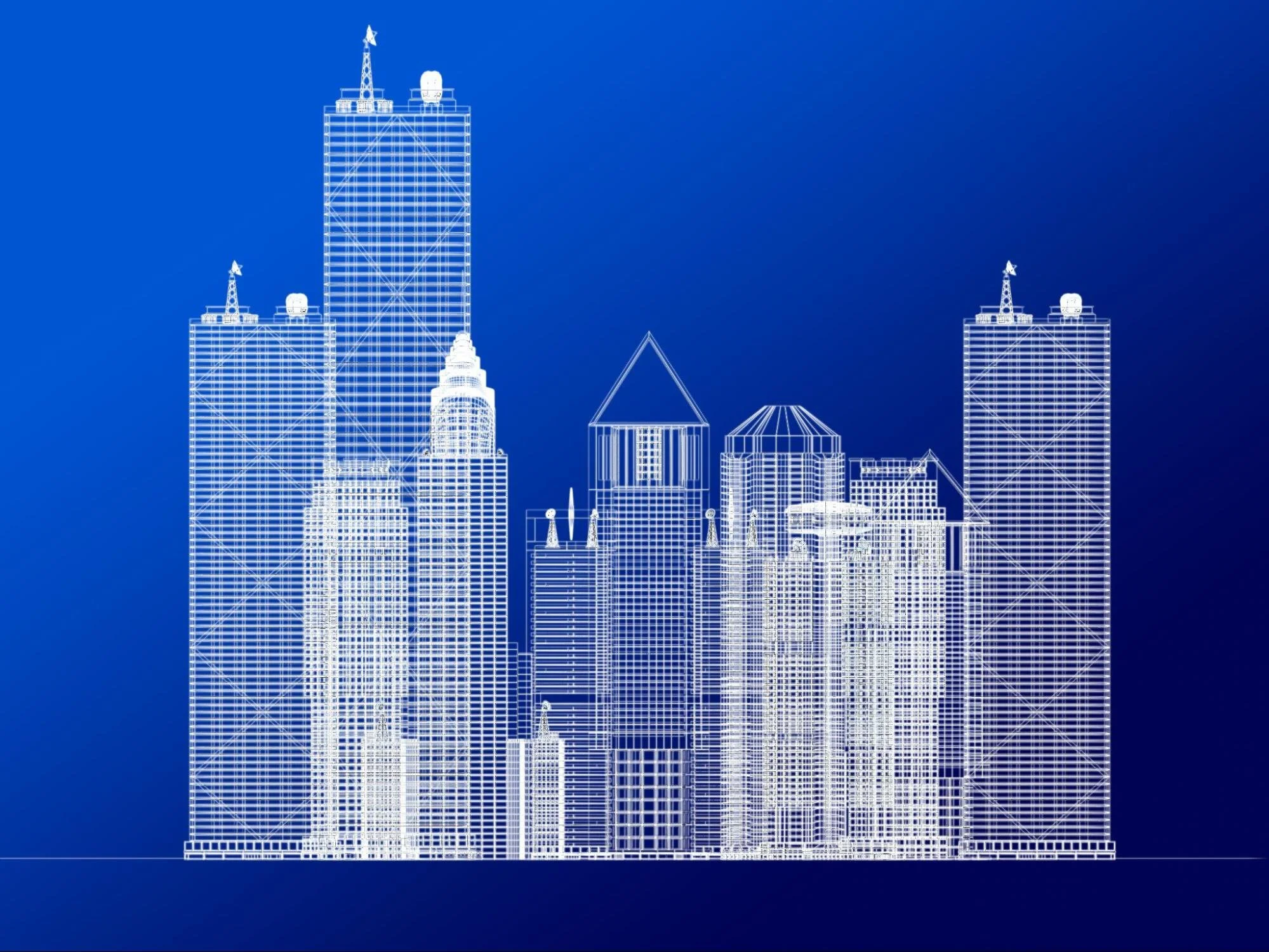
Industrial and commercial buildings demand accurate data for planning, upgrades, and maintenance. Missing or outdated drawings often lead to delays, cost overruns, and coordination issues. Many companies now convert existing structures into precise digital models to improve control. This process connects real-world conditions with modern design and facility management systems. As a result, 3D scan to CAD helps teams manage buildings with greater accuracy, speed, and confidence.
What 3D Scan to CAD Means
3D scan to CAD converts existing buildings into accurate digital models used for design and facility planning. This process captures structural and spatial data using advanced laser-scanning technology. Surveying teams then translate this data into CAD drawings or BIM-ready models. This approach helps businesses manage building assets with clarity and precision.
Capturing Building Data With 3D Scanning
3D laser scanning records detailed measurements of building interiors and exteriors. This method captures walls, floors, ceilings, and structural elements with high accuracy. Surveyors collect millions of data points that form a point cloud of the building. This dataset reflects real-world conditions, including irregularities and deviations. This accuracy helps engineers and architects work with reliable information. This foundation supports better planning for renovations and upgrades.
Converting Scans Into CAD Drawings
Point cloud data is processed to produce CAD drawings, such as floor plans and elevations. This step converts raw scan data into structured and usable formats. Engineers extract dimensions and features needed for design and documentation. This workflow creates as-built drawings that reflect the building's current state. This accuracy reduces reliance on outdated or incomplete plans. This output supports design, compliance, and facility management tasks.
Reverse Engineering Existing Structures
Reverse engineering allows teams to recreate building layouts when original drawings are missing. This process uses scan data to rebuild accurate digital representations. Companies use this method for renovations, expansions, and retrofits. This approach eliminates guesswork during planning and design stages. This clarity reduces errors and improves coordination across teams. This advantage helps projects move forward with fewer disruptions.
Benefits of 3D Scan to CAD Services
3D scan to CAD improves building management by providing accurate, up-to-date digital data. This process reduces reliance on manual measurements and outdated documentation. Businesses gain better visibility into existing conditions before starting projects. This advantage supports efficient planning and execution across commercial and industrial environments.
Accurate Data and Error Reduction
High-resolution scanning captures precise measurements of building elements and layouts. This precision reduces discrepancies between design and actual site conditions. Engineers rely on this data to create dependable CAD drawings. This consistency improves coordination between design and construction teams. This reliability also supports compliance with building standards and regulations. This outcome leads to fewer errors and smoother project execution.
Faster Planning and Project Delivery
Digital building models enable teams to move quickly from assessment to design. This method eliminates delays caused by manual site measurements. Teams can review layouts and make decisions using accurate data. This efficiency reduces time spent on revisions and corrections. This speed helps projects stay on schedule and within scope. This capability supports better resource management across large facilities.

Cost Control in Building Projects
Accurate scan data helps prevent costly errors during construction or renovation. This approach reduces material waste and unnecessary rework. Businesses gain better control over project budgets with reliable data. This efficiency improves planning and reduces unexpected expenses. Digital records can also be reused for future projects. This benefit supports long-term cost management for building assets.
When to Invest in 3D Scan to CAD
Businesses often evaluate this service when dealing with outdated building plans or complex renovations. This need arises in facilities with frequent layout changes or expansions. Companies managing large industrial sites benefit from accurate spatial data. This approach reduces delays caused by unclear or missing information. Organizations with updated and reliable drawings may not require immediate adoption. This evaluation helps align investment with actual operational needs.
3D Scan to CAD Use Cases
3D scan to CAD supports a wide range of applications in commercial and industrial buildings. This process helps improve design accuracy, facility management, and compliance. Businesses use it to manage complex structures and large-scale environments. This versatility makes it valuable across multiple stages of building lifecycles.
Renovation and Retrofit Projects
Renovation projects require accurate knowledge of existing building conditions. This process provides precise layouts that guide design decisions. Engineers use scan data to plan modifications without disrupting operations. This accuracy reduces conflicts between new designs and existing structures. This approach improves coordination across project teams. This result leads to smoother and more efficient renovations.
Facility Management and Space Planning
Facility managers use CAD models to monitor and optimize building layouts. This data helps track assets, utilities, and spatial usage. Teams can plan space utilization more effectively using accurate models. This insight supports better operational decisions within large facilities. This approach also improves safety and accessibility planning. This capability enhances overall building performance.
Compliance and Documentation
Accurate as-built drawings help businesses meet regulatory and safety requirements. This documentation reflects the building's current condition. Teams use these records for inspections, audits, and certifications. This accuracy reduces risks associated with outdated plans. This process supports adherence to industry standards and codes. This benefit strengthens compliance across operations.
3D Scan to CAD Process Steps
The 3D scan-to-CAD workflow follows a structured process to convert buildings into accurate digital models. This process includes scanning, data processing, and CAD modeling stages. Each stage builds on the previous one to maintain accuracy and usability. This sequence helps businesses achieve reliable and consistent results.
Scanning and Data Capture Stage
Surveyors begin by preparing the site and positioning scanning equipment. This step ensures full coverage of the building and its features. Scanners capture detailed spatial data from multiple angles. This method reduces gaps and improves overall data completeness. This dataset serves as the basis for all subsequent processing steps. This stage determines the final model's accuracy and reliability.

Mesh Processing and Data Structuring
Engineers process the collected data into a structured point cloud and mesh. This step includes cleaning noise and aligning multiple scans. The combined dataset forms a complete digital representation of the building. This process ensures data consistency and usability. This optimization prepares the model for CAD conversion. This preparation supports efficient downstream workflows.
CAD Modeling and Validation Stage
Engineers convert processed data into CAD drawings and BIM-ready models. This step involves creating floor plans, sections, and elevations. The model is verified against scan data for accuracy. This validation ensures compliance with project requirements and tolerances. This output integrates with design and construction systems. This result supports planning, analysis, and execution.
Before and After the Process
Before adopting 3D scanning to CAD, teams relied on manual measurements and outdated drawings. This approach leads to inconsistencies and delays in building projects. After implementation, teams work with accurate digital models that reflect real conditions. This shift improves coordination between design, engineering, and construction teams. This clarity reduces errors and speeds up project timelines. This progression highlights the value of digital workflows in building management.
Choosing a 3D Scan to CAD Provider
Choosing the right technology service provider affects the quality and reliability of building data. This decision requires evaluating technical capability and industry experience. Businesses need partners who understand commercial and industrial environments. This selection helps reduce risks and improve project outcomes.
Technology and Equipment Capabilities
Providers use advanced laser scanners designed for large-scale building environments. This equipment captures detailed spatial data across complex structures. High-quality tools improve accuracy and efficiency during scanning. This capability supports both indoor and outdoor applications. This reliability ensures consistent results across projects. This factor plays a critical role in data quality.
Expertise in Building and Surveying Projects
Experienced providers understand the challenges of scanning active facilities. This expertise helps manage access, safety, and operational constraints. Teams with industry knowledge can deliver accurate and usable outputs. This experience reduces errors and improves efficiency. This understanding supports better coordination with project stakeholders. This advantage leads to smoother project execution.
Turnaround Time and Communication
Clear communication ensures alignment between clients and service providers. This approach helps define expectations and project deliverables. Providers should offer realistic timelines and regular updates. This responsiveness supports better planning and decision-making. This collaboration improves workflow efficiency and results. This factor enhances overall project success.
3D Scan to CAD Challenges
3D scan to CAD involves technical considerations that businesses should understand. This process requires proper planning to manage data and site conditions. Companies that recognize these factors can avoid delays and inefficiencies. This awareness supports better implementation and results.
Managing Large Building Data Sets
Scanning large facilities generates extensive datasets that require advanced processing systems. This data can slow workflows if not handled efficiently. Engineers must organize and optimize files to make them easier to use. This preparation improves access and collaboration across teams. This capability supports long-term data management strategies. This approach ensures smooth project execution.
Site Conditions and Scanning Limits
Certain building conditions, such as reflective surfaces or restricted areas, affect scanning accuracy. This limitation requires careful planning during data capture. Environmental factors also influence results during scanning. This challenge may require additional processing or adjustments. Skilled teams use proven techniques to improve accuracy. This understanding helps set realistic expectations for outcomes.
Future Value of 3D Scan to CAD
3D scan to CAD supports long-term building management and digital transformation. This process aligns with modern workflows used in construction and facility operations. Companies that adopt this approach gain better control over their assets. This direction supports efficiency and continuous improvement.
Staying Competitive With Digital Building Models
Digital building models allow businesses to manage assets with greater accuracy. This capability improves collaboration across design and operations teams. Companies integrate scan data with building management systems and planning tools. This connection supports faster decision-making and improved efficiency. This advantage helps businesses adapt to changing project demands. This position strengthens competitiveness in evolving industries.
Turning Buildings Into Digital Assets
3D scan to CAD converts physical structures into reusable digital resources. This approach allows businesses to store and access building data when needed. Companies reuse these models for maintenance, upgrades, and planning. This efficiency reduces repeated work and saves time. This digital archive preserves critical building information. This benefit creates long-term value across operations.
Advance Processes With 3D Scan to CAD
Commercial and industrial buildings require accurate data to support efficient operations and planning. 3D scan to CAD introduces a reliable method for capturing and using real-world conditions. This approach improves coordination, reduces errors, and supports better project outcomes. Companies that adopt this solution position themselves for stronger performance and long-term control over their building assets.
See how accurate scanning and CAD solutions support better project outcomes. Read more on the LNE Surveys blog today.