
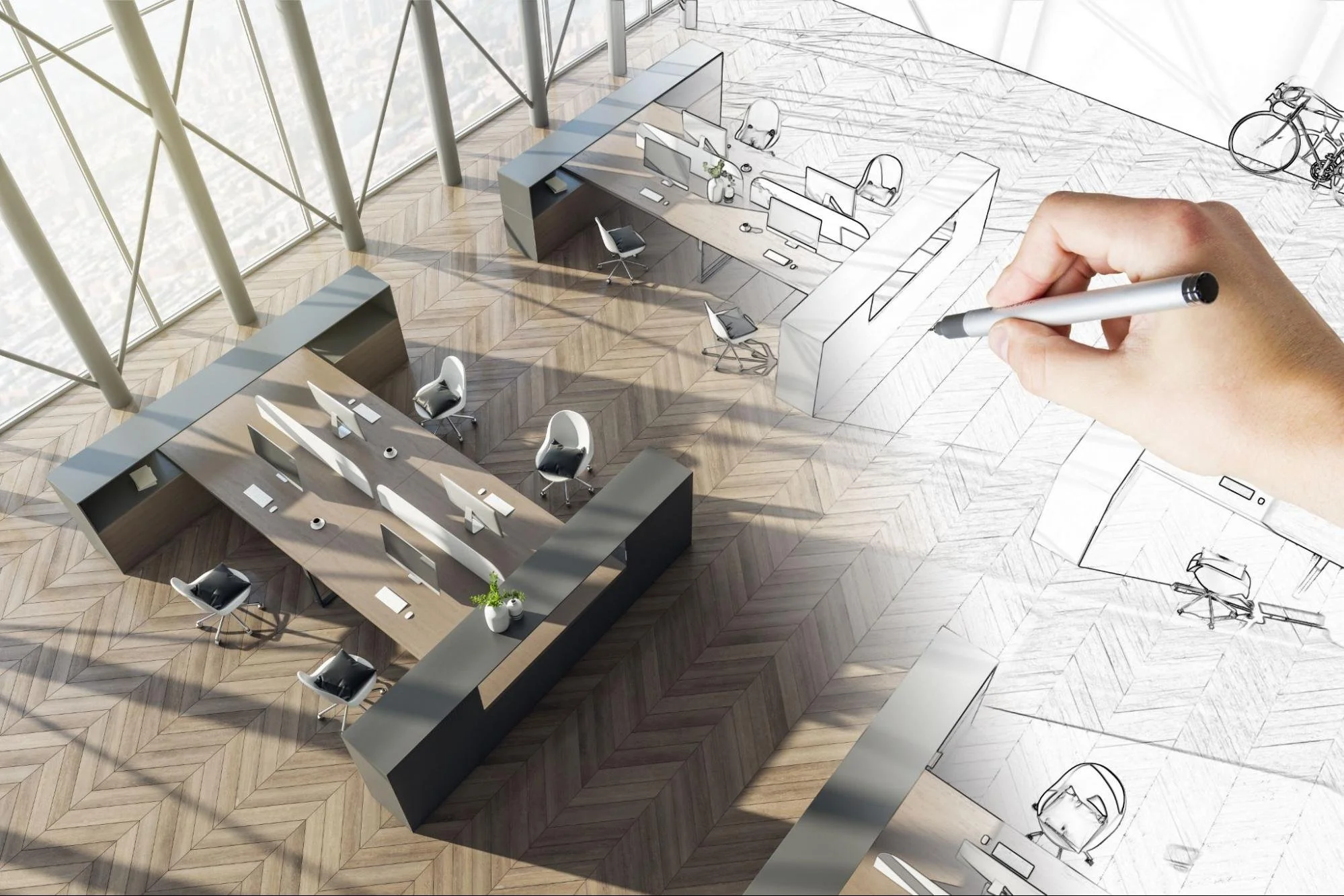
A 3D building plan has become a practical planning asset for businesses that need clarity before committing capital and timelines. Construction projects now face tighter margins, higher accountability, and faster delivery expectations. When drawings leave gaps in interpretation, those gaps often surface later as delays, rework, or cost overruns. That pattern pushes many firms to move beyond flat plans toward more reliable planning methods. A 3D building plan meets that need by presenting the full scope of a project in a format teams can clearly understand and trust.
What a 3D Building Plan Means in Construction
A 3D building plan is a digital representation of a building that shows form, scale, and spatial relationships in three dimensions. This definition extends beyond visualization by including accurate measurements and coordinated systems. Businesses use this format to reduce ambiguity during planning and approvals. Clear representation supports confident decisions before construction begins.
Core Definition of a 3D Building Plan
A three-dimensional building model presents a structure as a realistic digital model rather than separate flat drawings. This model accurately reflects dimensions, helping teams understand space immediately. Walls, floors, ceilings, and systems appear exactly where they belong. Because of that accuracy, discussions focus on real conditions instead of assumptions. Teams identify issues earlier during reviews. Businesses benefit from smoother coordination at the planning stage.
Key Elements Included in a 3D Building Plan
A digital building model combines geometry with detailed project data. This combined structure links visual components to materials, dimensions, and specifications. Structural elements align with mechanical, electrical, and plumbing systems within a single environment. That coordination helps teams identify conflicts early. Design updates apply consistently across the model. Businesses gain a dependable reference from concept through construction.
How a 3D Building Plan Differs From 2D Drawings
A 3D design model differs from 2D drawings by showing depth and interaction between building components. Traditional plans rely on multiple views that require interpretation. That process increases oversight risk, especially under time pressure. Three-dimensional modeling presents information in a single, coherent format.
Limits of Traditional 2D Construction Drawings
Traditional 2D drawings separate information across plans, sections, and elevations. This separation forces teams to assemble the complete design picture mentally. Even experienced professionals can miss conflicts during that process. Issues often surface only after construction begins. Fixing those issues at that stage costs time and money. Businesses face unnecessary disruption when relying only on flat drawings.
Spatial Understanding Through 3D Visualization
A 3D building plan shows how spaces function in absolute scale. This visual clarity reveals clearances, heights, and system routes instantly. Stakeholders understand layout intent without a technical explanation. Meetings focus more on decisions than clarifications. Approval discussions progress faster. Projects move forward with more substantial alignment.
Role of a 3D Building Plan in Modern Workflows
A 3D architectural model supports the digital workflows common in modern construction. This approach connects design, engineering, and construction teams more effectively. Shared access reduces miscommunication across departments. Businesses manage complexity with greater confidence.
Integration With BIM and Digital Platforms
A 3D design model often functions within BIM platforms used across the industry. This integration connects visual models with schedules, quantities, and specifications. Design changes are updated across disciplines without the need for repeated manual work. Teams track revisions through a centralized system. This structure reduces version confusion and enables businesses to gain reliable project data.

Coordination Between Office and Site Teams
A digital model bridges the gap between design offices and construction sites. This shared model helps site teams verify intent visually. Questions are returned to designers with clear context. Work continues without prolonged pauses. Communication improves across phases. Execution aligns more closely with planning.
How a 3D Building Plan Improves Accuracy
A 3D building plan improves accuracy by addressing potential issues before construction begins. This improvement affects cost control, scheduling, and quality outcomes. Digital coordination replaces reactive fixes. Businesses benefit from predictability across project stages.
Early Detection of Design Conflicts
A 3D design plan reveals conflicts between systems within the digital model. This visibility highlights clashes between structure, services, and finishes. Teams resolve these issues before materials arrive on site. That approach prevents redesign during active construction. Schedules remain more reliable. Businesses avoid disruption costs.
Precision in Measurements and Quantities
A 3D design model uses exact dimensions for every modeled element. This precision supports accurate material takeoffs. Procurement teams order quantities that match design intent. Waste decreases due to improved alignment in planning. Budget tracking becomes more reliable. Financial control strengthens throughout the project.
Improved Construction Sequencing Accuracy
A 3D building plan helps teams visualize construction sequences. This planning clarifies installation order across trades. Potential scheduling conflicts appear earlier. Teams adjust workflows digitally rather than on-site. Timelines stabilize as a result. Businesses reduce coordination friction.
Financial Benefits of Using a 3D Building Plan
A three-dimensional building model supports stronger financial oversight across construction projects. This planning approach reduces uncertainty during budgeting. Clear visualization limits late-stage changes. Businesses protect margins more effectively.
Reduced Cost Overruns From Design Errors
A 3D building plan identifies design issues early. This early resolution prevents costly field corrections. Change orders occur less frequently. Teams spend less time managing disputes. Budget variance decreases. Financial risk remains controlled.
Improved Budget Forecasting and Transparency
A digital building model provides reliable data for cost forecasting. This clarity helps financial teams project expenses with confidence. Investors and clients see realistic projections. Discussions rely on verified information. Trust builds through transparency. Decisions move forward smoothly.
Lower Risk of Material Waste and Overordering
A 3D design plan supports precise material takeoffs tied to real geometry. This accuracy reduces overordering caused by estimation gaps. Procurement aligns more closely with actual project needs. Storage and disposal costs decline as waste decreases. Budget efficiency improves across supply chains—financial planning benefits from tighter controls.
Stronger Return on Investment for Developers
A 3D building plan improves financial outcomes through predictability. This predictability supports better funding strategies and risk assessments. Projects face fewer costly surprises during execution. Delivery timelines remain more stable—asset value benefits from coordinated planning. Developers gain more substantial long-term returns.
Time Savings Created by a 3D Building Plan
A 3D building plan reduces project timelines by improving clarity at every stage of delivery. This planning approach enables teams to quickly understand design intent, thereby shortening review and approval cycles. Clear visualization limits repeated explanations and revision loops during coordination. Construction teams receive precise guidance, which reduces on-site questions and workflow interruptions. Trade coordination improves because sequencing becomes easier to plan and follow. As a result, projects maintain steady momentum without unnecessary delays.

Client Confidence Built Through 3D Building Plans
A 3D building plan strengthens client confidence by clearly presenting project details and ensuring transparency. This level of visibility helps clients understand design intent without relying on technical interpretation. When expectations align early, approval discussions become more productive. Visual accuracy reduces misunderstandings that often lead to late-stage changes. Clients feel more comfortable making decisions when risks are clearly defined. Trust grows as communication remains consistent throughout the project. That confidence supports stronger, long-term professional relationships.
Industry Uses of a 3D Building Plan
A 3D building plan can be adapted to various construction sectors. This flexibility supports different project demands. Each industry benefits from improved coordination. Businesses gain consistency across markets.
Commercial and Office Developments
A 3D building plan supports detailed space planning for offices. This planning aligns tenant needs with building systems. Service coordination improves during design. Future modifications become easier to evaluate. Asset value benefits from foresight. Stakeholders remain aligned.
Residential and Mixed-Use Projects
A 3D building plan validates unit layouts and stacking accuracy. This validation reduces construction errors. Shared systems coordinate more efficiently. Sales teams use models for visualization. Buyer confidence improves. Post-construction changes decrease.
Industrial and Manufacturing Facilities
A 3D building plan supports facilities with complex equipment layouts. This planning clarifies clearances and operational flows. Safety requirements are integrated into the model early. Expansion scenarios become easier to test. Downtime risks decrease through better coordination. Operations benefit from accurate planning.
Healthcare and Institutional Buildings
A 3D building plan supports strict spatial and compliance requirements. This planning clarifies circulation, access, and service zones. Regulatory reviews proceed with fewer revisions. Facility managers understand long-term operational impacts. Accuracy supports patient and staff needs. Institutions benefit from reduced planning risk.
How a 3D Building Plan Reduces Organizational Risk
A 3D building plan plays a quiet but decisive role in managing organizational risk during construction projects. This form of risk extends beyond budgets and schedules into accountability, compliance, and operational exposure. Businesses often underestimate the impact of planning clarity on internal governance. A structured model helps leadership maintain control over complex decisions.
Reduces Decision Risk at the Executive Level
A 3D building plan gives executives a clearer basis for approval decisions. This clarity reduces reliance on secondhand interpretations from technical teams. Leaders see spatial impact, cost implications, and sequencing visually. That visibility lowers the risk of approving flawed assumptions. Strategic decisions become more defensible. Accountability improves across leadership tiers.
Supports Audit Trails and Documentation Integrity
A 3D building plan creates a traceable record of design intent and changes. This record supports internal audits and external reviews. Each revision connects to an apparent visual reference. Disputes rely on documented facts instead of recollection. Legal exposure decreases during claims. Businesses benefit from stronger documentation discipline.
Strengthens Governance and Accountability
A 3D building plan gives decision-makers a clear visual basis for approvals and oversight. This clarity reduces reliance on secondhand interpretations from technical teams. Design changes remain traceable within the model. Teams reference the exact source of truth during reviews. Disputes rely on documented intent rather than assumptions. Organizational exposure decreases as accountability improves.
Why 3D Building Plans Matter in Competitive Positioning
A 3D building plan influences how businesses position themselves in competitive markets. This influence extends beyond project execution into perception. Clients notice clarity and preparedness. Market differentiation becomes tangible.
Strengthens Brand Credibility During Client Pitches
A 3D plan communicates professionalism and preparedness. This impression builds confidence during presentations. Clients perceive reduced risk. Trust develops earlier in relationships. Competitive bids stand out more clearly. Brand credibility strengthens.
Supporting Scalable Growth Across Multiple Projects
This type of building plan standardizes planning processes. This consistency supports growth across portfolios. Teams replicate workflows more easily. Quality remains consistent across projects. Management oversight improves. Businesses scale with greater control.
Drive Smarter Outcomes With a 3D Building Plan
A 3D building plan delivers its most significant value when developed by qualified surveyors who understand spatial accuracy, data integrity, and real-world constraints. When geomatics professionals and land surveyors translate precise measurements into coordinated digital models, businesses gain a reliable foundation for every decision that follows. That expertise reduces uncertainty across planning, approvals, and construction execution. Partnering with experienced surveying specialists turns a 3D building plan into a strategic asset rather than a visual aid.
Gain practical insights on accurate building planning through the LNE Surveys blog.